Road Surfacing Trends 2025: New Materials, Technology & Sustainable Innovations
Road surfacing in the UK is entering a new era. Rising environmental expectations, improved construction techniques, and smarter digital tools are transforming how roads, car parks, and driveways are built and maintained. For homeowners, councils, and commercial developers, 2025 brings faster installations, longer-lasting surfaces, and materials designed to reduce environmental impact.
This blog explores the biggest trends shaping the road surfacing industry in 2025 — from sustainable asphalt to smart machinery and digital monitoring systems.
1. Eco-Friendly Asphalt Becomes the New Standard
Sustainability is now at the forefront of UK construction. In 2025, contractors are moving towards materials that reduce emissions, improve recyclability, and minimise waste.
Key developments include:
• Low-Temperature Asphalt (LTA)
This material is mixed and laid at lower temperatures, reducing CO₂ emissions and fuel consumption during installation.
Benefits include:
- Faster cooling times
- Less environmental impact
- Longer working windows for contractors
• High Recycled-Content Asphalt
More surfacing companies are using reclaimed asphalt planings (RAP) to reduce the need for new aggregates. The result is a durable surface with a much smaller carbon footprint.
• Bio-Based Binders
New binders derived from natural sources (like plant oils) are replacing traditional bitumen in certain applications. These add flexibility and sustainability while reducing reliance on petroleum.
2. Smart Machinery Improves Precision & Efficiency
2025 sees a strong shift toward digitally controlled, sensor-based machinery designed to improve accuracy and reduce errors during installation.
Trending technologies:
• Intelligent Compaction Equipment
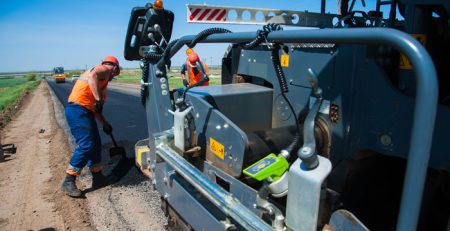
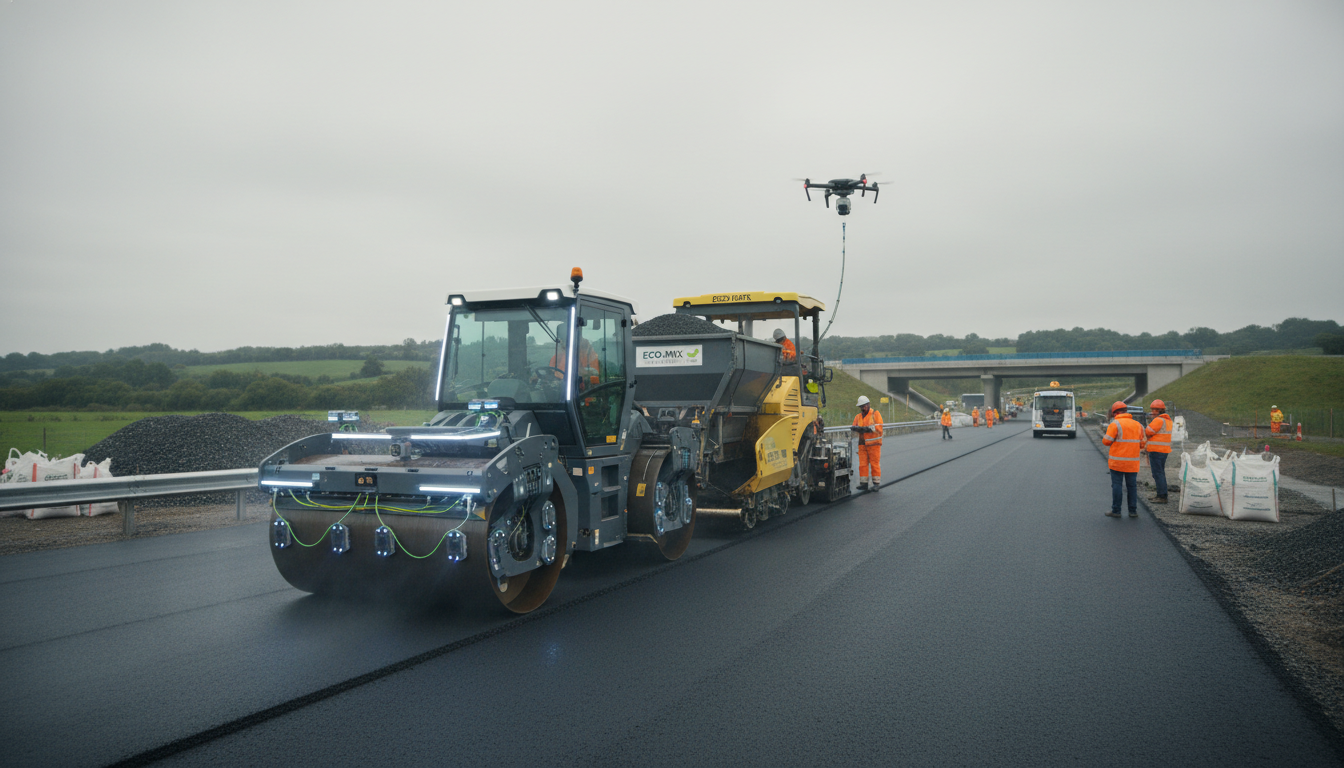
Rollers fitted with GPS and onboard sensors guide operators to compact evenly across entire surfaces, removing guesswork and preventing weak spots.
• Real-Time Temperature Monitoring
Temperature sensors track asphalt cooling, ensuring the material is compacted at the correct time for maximum strength and durability.
• Automated Pavers
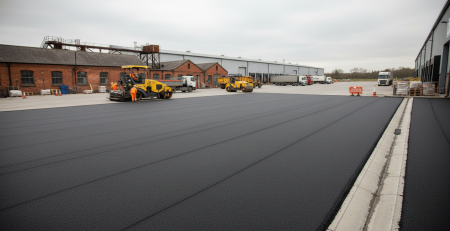
Modern pavers now use laser and 3D control systems to achieve perfect levels, gradients, and finishes — especially useful for highways and large commercial sites.
These advances significantly improve the lifespan of new roads and driveways by ensuring every layer is installed to exact specifications.
3. Permeable Surfacing Gains Popularity
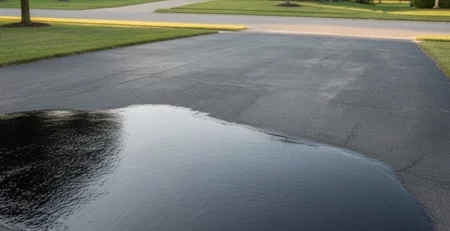
Drainage has become a major concern across the UK due to heavier rainfall and more frequent flooding. In 2025, permeable surfacing continues to grow, especially for residential and commercial projects.
Popular options include:
• Permeable Asphalt
Allows water to pass through the surface and into the ground, reducing standing water and pressure on drainage systems.
• Resin-Bound Systems
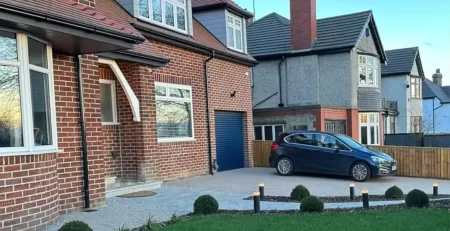
Aesthetic, durable, and fully permeable — ideal for driveways, pathways, and pedestrian zones.
• Sustainable Urban Drainage Systems (SuDS)
More councils and developers now require SuDS-compliant surfacing to improve water management.
4. Digital Maintenance & Road Monitoring Systems
Road maintenance is shifting from reactive to predictive thanks to new digital tools.
2025 highlights:
• AI-Enhanced Road Condition Monitoring
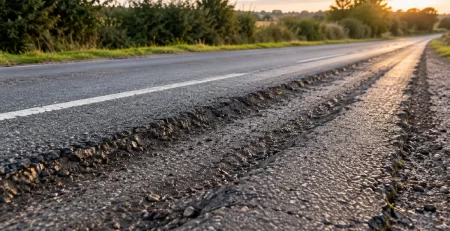
Drones, AI cameras, and mobile sensors detect surface deterioration early — long before potholes form.
• Predictive Repair Scheduling
Software uses data to estimate when a surface will need maintenance, reducing emergency repairs and lowering long-term costs.
• Smart Road Sensors
Embedded sensors measure traffic loads, moisture levels, and surface temperature, helping councils and contractors plan maintenance more accurately.
These innovations help extend road lifespan and reduce the cost of unexpected repairs.
5. Faster Installation with Next-Gen Materials
Efficiency is another major trend in 2025. Contractors are adopting materials and methods that cut installation times without compromising quality.
Examples:
• Rapid-Repair Asphalt
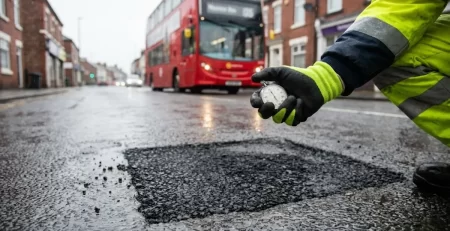
Special mixes enable quick reinstatement for utilities, potholes, and patch repairs — often reopening roads in under an hour.
• Fibre-Reinforced Asphalt
This adds strength and durability, reducing cracking and rutting on high-traffic surfaces.
• Cold Lay Materials
Improved formulations provide high strength while allowing repairs even in poor weather conditions.
These advancements help minimise disruption for businesses, road users, and homeowners.
6. Sustainability Certifications & Carbon Reporting
More clients — especially councils and commercial developers — now require proof of sustainability in road construction.
In 2025, surfacing companies are expected to provide:
- Carbon footprint reports
- Material recycling percentages
- Waste minimisation plans
- Certifications for eco-friendly processes
This shift is pushing the industry toward better environmental responsibility and more transparent operations.
7. What This Means for Homeowners & Businesses in 2025
Whether upgrading a driveway, resurfacing a car park, or constructing a new road, property owners benefit from:
- Stronger, longer-lasting surfaces thanks to smart machinery
- More sustainable options reducing environmental impact
- Better drainage solutions to prevent pooling and flooding
- Improved safety and smoother finishes due to precision equipment
- Faster installations with advanced materials
- Lower long-term maintenance costs through predictive monitoring
2025 is the perfect year to invest in a modern surfacing project.
Book a Professional Surfacing Consultation
If you’re planning a resurfacing project — from domestic driveways to commercial car parks and access roads — our team is ready to help.
👉 Get expert advice or request a quote here: Contact Total Surfacing Solutions