Machine Lay Tarmac Services for High Traffic Roads and Areas | What to Consider Before Applying?
High-traffic roads demand surfacing solutions that can endure constant pressure, extreme weather exposure, and repeated mechanical stress. Machine lay tarmac services have become the preferred choice for highways, industrial zones, car parks, and commercial access roads.
This service involves the mechanical application of hot tarmac usingspecialist paving equipment to achieve consistent depth, flawless compaction, and a structurally sound surface. This method is essential for high-traffic environments where manual laying cannot deliver the required load tolerance or longevity.
At Total Surfacing Solution, precision-driven tarmac installation road surfacing services are engineered to deliver long-term durability, safety, and performance. Enjoy faster curing, superior bonding, and smoother finishes that allow roads to reopen quickly without compromising structural integrity.
Considerations Before Applying Machine Lay Tarmac for High Traffic Roads
Before selecting tarmac installation for high-load areas, several critical performance factors must be evaluated. Ignoring these elements often results in premature surface failure and escalating maintenance costs.
Constant Vehicle Load and Axle Pressure
High-traffic roads experience continuous stress from heavy vehicles, including buses, delivery fleets, and HGVs. The combined axle pressure causes surface compression that can weaken poorly compacted tarmac layers.
Machine-laid hot tarmac is compacted to optimal density, allowing it to distribute weight evenly across the base. This reducessurface fatigue and protects the sub-structure from collapse. Correct layer thickness is essential for maintaining long-term load resistance.
Frequent Braking, Turning, and Acceleration Stress
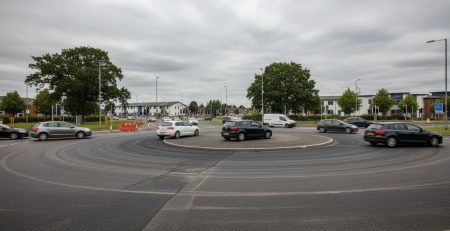
Urban junctions, roundabouts, and industrial access roads endure constant friction from braking and turning vehicles. This shear force accelerates surface wear if the material composition is inadequate.
Machine-applied Tarmac Installation integrates graded aggregates that enhance interlock strength. This prevents surface displacement and ensures stable performance in high-movement zones.
Weather Exposure and Drainage Issues
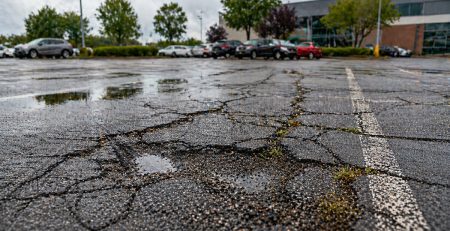
Water penetration remains one of the most common causes of tarmac failure. Freeze-thaw cycles expand micro-cracks, leading to surface fragmentation. Machine-laid tarmac allows precise slope control for effective drainage. Proper water runoff minimizes saturation and protects the pavement structure year-round.
Safety Risks Due to Surface Deterioration
Uneven surfaces, potholes, and worn textures increase accident risks. Temporary pothole repairs services may provide short-term relief, but structural resurfacing is required for long-term safety. Machine-laid surfaces deliver consistent skid resistance and visual clarity, enhancing road safety for all users.
Why Machine Lay Tarmac Is Ideal for High-Traffic Applications?
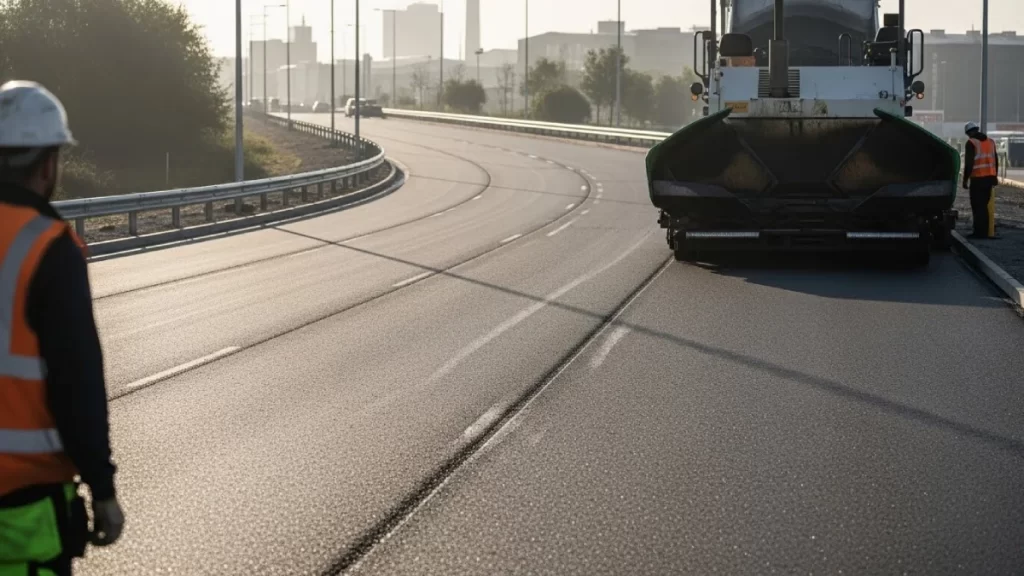
Continuous vehicle movement, heavy axle loads, and surface friction quickly expose weaknesses in poorly laid materials. Machine lay tarmac services are specifically designed to overcome these stresses by combining engineered materials with precision-controlled installation.
Built to Handle Heavy Traffic and HGVs
High-traffic roads experience repeated load transfer from heavy vehicles, particularly HGVs and commercial fleets. Each axle pass compresses the surface and underlying layers, gradually weakening poorly compacted materials.
Machine-laid hot tarmac is compacted to precise density levels, allowing load forces to disperse evenly across the pavement structure. This even distribution prevents surface depressions, rutting, and shear deformation.
As a result, roads retain their profile and strength even under constant heavy use, making machine laying essential for logistics hubs, bus corridors, and industrial roadways.
Precision for Uniform Thickness and Superior Compaction
Uniform thickness is a critical factor in long-term pavement performance. Variations in depth create stress concentrations that eventually lead to cracking and surface failure. Machine paving equipment applies Tarmac Installation at consistent depths across the entire surface area.
Integrated rollers and screeds compact the material immediately after laying, locking aggregates tightly together. This superior compaction significantly reduces air voids, improving water resistance and preventing premature breakdown caused by moisture ingress.
High Load-Bearing Strength With Reduced Risk of Cracks
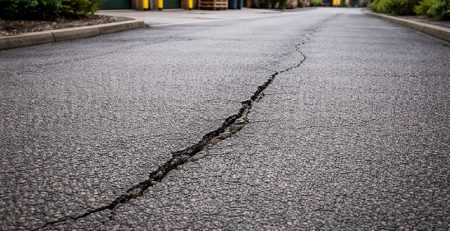
Crack formation is often the first visible sign of structural weakness. Machine lay tarmac incorporates carefully graded aggregates that interlock under compaction, increasing tensile strength and flexibility. This balance allows the surface to absorb dynamic loads without fracturing.
By reducing micro-movements within the tarmac matrix, machine application limits crack propagation. This is especially important for junctions, roundabouts, and turning areas where surface stress is highest.
Smooth and Skid-Resistant Finish for Safer Traffic Flow
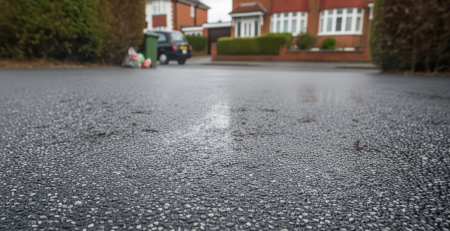
Safety is a major consideration on high-traffic roads. Uneven textures, loose aggregates, and inconsistent finishes increase braking distances and accident risk. Machine-laid tarmac produces a smooth, level surface with controlled texture depth.
The result is enhanced skid resistance that improves tyre grip in both dry and wet conditions. Clear surface uniformity also improves lane visibility and vehicle stability, supporting safer traffic flow at higher volumes.
Cost-Effectiveness and Durability With Minimal Maintenance
While machine laying may involve higher initial costs, its long-term economic advantages are substantial. Increased durability reduces the frequency of surface failures, limiting the need for repeated pothole repair or temporary cold patch solutions.
Over time, fewer disruptions, lower maintenance budgets, and extended surface lifespan make machine-laid tarmac the most cost-effective option for high-demand road networks.
Choosing the Right Machine Lay Tarmac Contractor
Selecting the correct contractor determines the success of any tarmac installation road surfacing services project. Experience, equipment quality, and technical expertise are non-negotiable.
Professional contractors assess traffic volume, base conditions, and drainage before recommending material specifications. Inadequate planning often leads to surface failure regardless of installation quality.
Total Surfacing Solution operates advanced paving machinery, ensuring precise application and compliance with UK surfacing standards. Our teams deliver tailored solutions for commercial, municipal, and private developments.
Clients seeking complementary surfacing options often explore our grey resin driveways, resin driveways, and coloured resin driveways for adjacent access roads and parking areas. These surfaces offer aesthetic flexibility while maintaining durability.
For regional expertise, our road surfacing contractors in Hertford provide specialist solutions alongside resin bound driveways in Hertfordshire, installed by skilled resin bound driveways installers in Hertford.
Our Coverage Areas for Machine Lay Tarmac in the UK
Total Surfacing Solution provides comprehensive machine lay tarmac services across key UK regions, focusing on high-traffic and commercial zones.
Our operational areas include Essex and Hertfordshire, where demand for durable road infrastructure continues to grow. From urban road networks to industrial estates, our teams manage large-scale resurfacing with minimal disruption.
Clients benefit from local expertise combined with national-level standards. Whether addressing structural failures or planning new developments, our machine lay tarmac services in Essex and machine lay tarmac services in Hertfordshire deliver consistent, long-lasting performance.
Frequently Asked Questions (FAQ)
How long does machine lay tarmac last on busy roads?
Machine-laid tarmac typically lasts 15–25 years on high-traffic roads when properly installed and maintained. Load capacity and drainage quality significantly influence lifespan.
Is machine lay tarmac better than cold patch repairs?
Yes. Cold patch solutions are temporary. Machine-applied hot tarmac provides structural integrity and long-term durability in Essex for high-load areas.
Can machine lay tarmac be used for car parks and industrial yards?
Absolutely. It is ideal for car parks, loading bays, and logistics hubs where constant vehicle movement and heavy loads are present.
How soon can traffic use the newly laid tarmac?
Most machine-laid tarmac surfaces can handle traffic within 24–48 hours, depending on weather conditions and surface thickness.
Long-Term Surfacing Solution for High-Traffic Demands
For roads and areas subjected to constant stress, machine lay tarmac services provide unmatched strength, safety, and durability. By addressing load pressure, environmental exposure, and surface consistency, this method delivers long-term value with reduced maintenance needs.With our regional expertise and precision-driven execution, Total Surfacing Solution remains the trusted choice for high-performance tarmac installation across Essex and Hertfordshire. When durability matters, machine-laid tarmac stands as the proven solution for modern traffic demands.