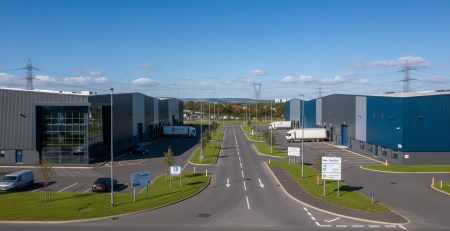
Machine Lay Tarmac Services vs Resurfacing Cost | Differences You Need to Know
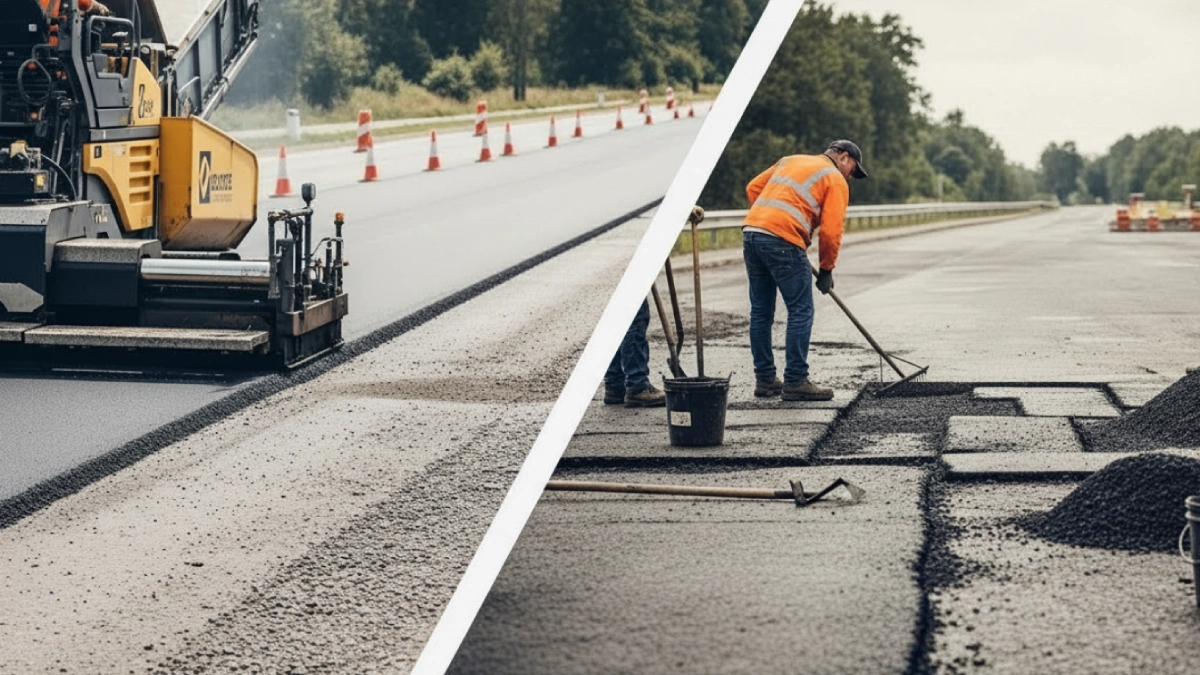
Understanding the difference between machine lay tarmac services and tarmac resurfacing is crucial for any UK road or driveway project. Machine lay tarmac involves a full installation using hot tarmac and machinery to create a strong, even surface.
It is ideal for high-traffic areas and commercial roads. Resurfacing, however, applies a new layer over an existing base. It works best when the foundation is still stable. Each method has different costs, durability, and maintenance needs. Choosing the wrong option can lead to cracks, potholes, and repeated repairs.
This guide explains processes, cost factors, and lifespan expectations for both approaches. With professional insights from Total Surfacing Solution, property owners, councils, and developers can make the right decision for long-lasting, reliable surfacing.
Understanding the Professional Machine Lay Tarmac & Tarmac Resurfacing in UK
Understanding machine lay tarmac and tarmac resurfacing helps you choose the right solution for your project. Machine lay creates a strong, durable surface for high-traffic areas.
Definition
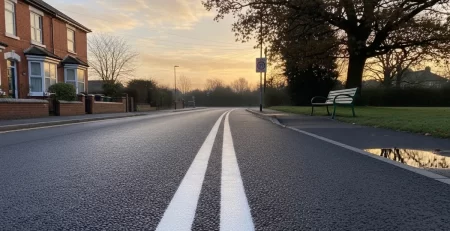
Machine Lay Tarmac is a full-scale tarmac installation process where fresh hot tarmac is mechanically laid using specialist paving machines. It creates a uniform, load-bearing surface suitable for roads, car parks, and heavy traffic areas.
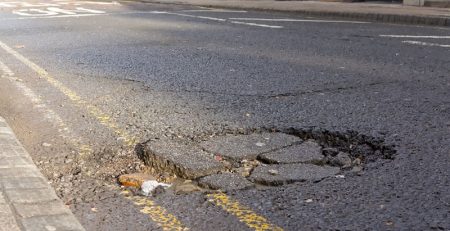
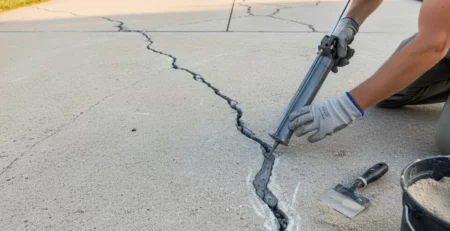
Resurfacing, by contrast, involves applying a new tarmac layer over an existing surface after repairs such as cold patch filling and crack sealing. It restores usability without rebuilding the entire foundation.
Process Overview
Machine laying begins with excavation, base preparation, sub-base compaction, and mechanical paving. The machine ensures consistent thickness, even distribution, and superior compaction across large areas.
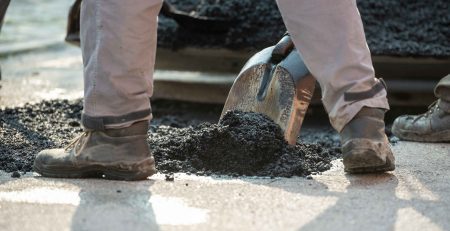
Resurfacing focuses on surface correction. Damaged areas receive pothole repair services, edges are trimmed, bonding agents are applied, and a thinner tarmac layer is laid over the existing base.
Advantages
Machine lay tarmac offers long-term durability, structural integrity, and suitability for commercial roads. It supports heavy traffic and reduces future maintenance.
Resurfacing provides faster turnaround, lower initial costs, and minimal disruption. It is ideal where the base remains structurally sound.
Limitations
Machine lay projects involve higher upfront costs and longer installation times. They require clear access and professional planning.
Resurfacing cannot correct deep base failures. Repeated resurfacing over weak foundations leads to premature cracking and surface deformation.
Resurfacing Cost: Detailed Analysis for Both Surfacing Solutions in UK
Understanding the costs of machine lay tarmac services versus resurfacing is key for planning any surfacing project. Costs depend on materials, labour, and project size.
Cost Components
Costs for machine lay tarmac services include excavation, aggregate base, machinery, labour, and hot tarmac materials. Drainage and edging also affect pricing. Resurfacing costs are mainly driven by surface preparation, crack repairs, cold patch pothole filling, bonding agents, and the final tarmac overlay.
Variables Impacting Cost
Surface size, traffic load, drainage condition, and location significantly influence pricing. Urban sites in Essex and Hertfordshire may require additional access planning. Weather conditions, existing surface damage, and turnaround urgency also affect final costs for both methods.
Typical Cost Ranges
Machine lay tarmac services in Essex and Hertfordshire typically cost more due to full reconstruction but offer an extended lifespan. Resurfacing costs remain lower upfront, making them attractive for budget-controlled maintenance projects where the sub-base remains intact.
Cost Efficiency Perspective
While resurfacing appears economical initially, repeated repairs increase long-term spending. Machine lay installation often delivers better cost efficiency over 15–25 years.
CTA: Get a Free Professional Quote!
Side-by-Side Comparison for Machine Lay Tarmac & Tarmac Resurfacing Cost
| Factor | Machine Lay Tarmac | Tarmac Resurfacing |
| Structural Depth | Full reconstruction | Surface layer only |
| Suitable Traffic | Heavy commercial | Light to medium |
| Lifespan | 20–25 years | 8–12 years |
| Initial Cost | Higher | Lower |
| Maintenance Frequency | Low | Moderate |
| Finish Quality | Premium, uniform | Dependent on base |
Choosing the Right Surfacing Option for UK Roads
Selecting the right surfacing option is essential for long-lasting roads and driveways. Understanding when to use machine lay tarmac or resurfacing helps prevent premature damage, reduce costs, and ensure the surface meets traffic and structural demands effectively.
Signs You Need Machine Lay
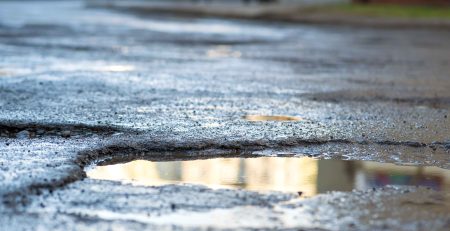
Repeated potholes, base movement, drainage failure, and widespread cracking indicate structural failure. In such cases, resurfacing only delays inevitable reconstruction. Commercial estates, industrial access roads, and high-traffic car parks benefit most from machine lay solutions.
Signs Resurfacing Is Enough
Minor surface cracks, faded finishes, and shallow potholes usually qualify for resurfacing. If the base remains compact and stable, resurfacing restores performance effectively. Residential roads and low-traffic areas often fall into this category.
What Professionals Look For
Professional tarmac installation road surfacing services inspect sub-base integrity, moisture retention, and traffic load. Core sampling and visual assessments guide decisions.
Why Choose Total Surfacing Solution Services for Tarmac Services?
Total Surfacing Solution delivers expert machine-laid tarmac services, pothole repair services, and precision resurfacing across Essex and Hertfordshire. Our approach prioritises structural integrity, cost transparency, and long-term performance.
We combine modern paving machinery, premium-grade hot tarmac, and experienced crews to ensure consistent results. Each project begins with a professional assessment, ensuring the correct solution is applied from the start.
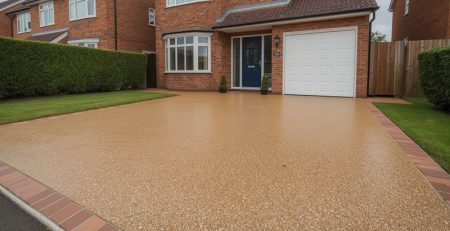
Clients seeking alternatives to traditional tarmac can explore our specialist driveway services through dedicated pages for grey resin driveways, resin driveways, and coloured resin driveways, offering aesthetic flexibility alongside durability.
CTA: Book Your Machine Lay Tarmac Service!
Areas We Cover for Tarmac Services in the UK
We provide machine lay tarmac services in Essex and machine lay tarmac services in Hertfordshire, supporting councils, commercial estates, and private developments.
Our coverage also includes resin-based solutions such as resin bound driveways in Hertfordshire with trusted road surfacing contractors in Hertford and experienced resin bound driveways installers in Hertford.
In Essex, we deliver premium finishes through resin bound driveways in Essex, supported by skilled road surfacing contractors in Essex and professional resin bound driveways installers in Essex.
Frequently Asked Questions (FAQ)
Is machine lay tarmac better than resurfacing?
Machine lay tarmac is ideal for areas where the underlying base is damaged or weakened. It provides a strong, uniform, and long-lasting surface that can handle heavy traffic. Resurfacing is suitable only when the base remains structurally sound.
Applying resurfacing over a weak foundation can lead to cracks, potholes, and premature failure. Professionals usually assess the base before recommending the right solution, ensuring the surface lasts longer and requires less maintenance.
How long does resurfacing last in the UK climate?
Resurfacing typically lasts 8–12 years depending on traffic intensity, drainage, and weather conditions. Areas exposed to heavy rain, frost, or frequent vehicle load may see faster wear.
Regular maintenance such as minor crack repairs and pothole repairs services can extend its lifespan. Choosing high-quality materials and professional application also improves durability.
Can pothole repairs extend resurfacing lifespan?
Yes, proper pothole repairs services using cold patch or other repair materials prevent water from seeping into the base. Water infiltration weakens the structure and accelerates surface damage.
By addressing potholes and cracks early, resurfacing lasts longer, maintains smoother driving conditions, and reduces future repair costs.
Which option is cheaper long-term?
While resurfacing has a lower upfront cost, machine lay tarmac services often prove more cost-effective in the long run. Machine laying creates a strong foundation that requires minimal maintenance.
Resurfacing may need repeated repairs every few years if the base is weak. Investing in full reconstruction reduces ongoing costs and ensures a longer-lasting, durable surface.
When should I contact road surfacing contractors?
You should contact professionals at the first sign of recurring cracks, pooling water, potholes, or surface movement. Experts like road surfacing contractors in Essex and Hertfordshire can assess sub-base integrity, recommend machine lay or resurfacing, and provide accurate cost estimates.
Making the Right Choice for Long-Lasting Surfacing
Choosing between machine lay tarmac services and tarmac resurfacing depends on the surface condition, traffic load, and long-term needs.
Machine lay tarmac in high-traffic areas and damaged surfaces. It provides strength, a smooth finish, and a long lifespan. Resurfacing is cheaper upfront and works for minor repairs on solid bases.
At Total Surfacing Solution, we assess each project carefully. We recommend the most reliable and cost-effective solution. Our teams use premium hot tarmac and professional installation techniques.Every road, driveway, or commercial surface is built to last. With our expertise, surfaces in Essex and Hertfordshire remain strong, safe, and visually appealing for years.