How Weather Impacts Road Surfacing in the UK
Weather plays a decisive role in the success and longevity of any road surfacing project in the UK. The country’s climate is defined by frequent rainfall, fluctuating temperatures, high humidity, and seasonal extremes that can all influence how surfacing materials behave during installation and over time. Property owners and site managers often underestimate how much environmental conditions affect surface performance, assuming that materials alone determine durability. In reality, weather interacts with materials, ground conditions, and installation methods in ways that directly impact finish quality, lifespan, and maintenance requirements.
Road surfacing weather UK considerations are not just about avoiding heavy rain on installation day. They involve understanding how temperature ranges affect curing, how moisture influences base layers, and how seasonal patterns dictate the most suitable timeframes for work. Professional contractors plan projects around these factors to ensure compliance with standards and to deliver surfaces that perform reliably under real-world conditions.
Tip: Planning surfacing work around suitable weather conditions helps achieve a stronger, longer-lasting finish. Get A Free Quote from our experienced team.
The Effect of Temperature on Road Surfacing Materials
Temperature is one of the most critical environmental factors in road surfacing. Asphalt and tarmac materials rely on heat to remain workable during installation. If temperatures are too low, the material cools too quickly, making it difficult to compact properly and increasing the risk of weak joints and surface defects. In the UK, colder months can present challenges where daytime temperatures drop below recommended thresholds, particularly in shaded or exposed locations.
Conversely, excessively high temperatures, while less common in the UK, can also cause issues. During heatwaves, asphalt can become overly soft, making it more susceptible to deformation under traffic before it has fully cured. This can result in surface marks or uneven finishes, especially in areas with slow-moving or stationary vehicles.
Professional surfacing teams adjust their working practices to accommodate temperature variations. This may involve altering delivery schedules, using insulated transport for materials, or selecting specific asphalt mixes designed for cooler conditions. These measures ensure that the surface achieves proper compaction and strength regardless of seasonal temperature changes.
Rainfall and Moisture Challenges in Road Surfacing
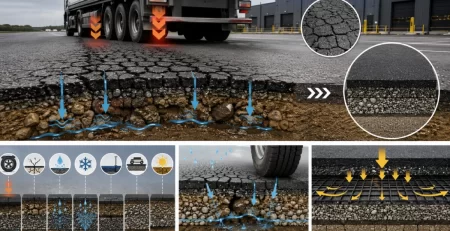
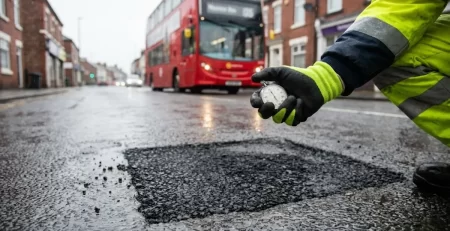
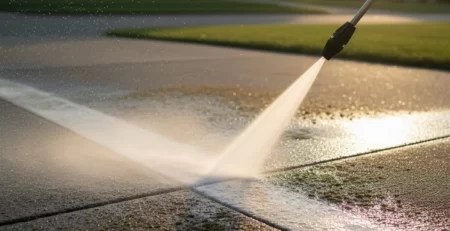
Rain is one of the most persistent challenges affecting road surfacing weather UK projects. Moisture can compromise every stage of the process, from ground preparation to final finishing. If the sub-base is wet, it may not provide adequate support, leading to movement and eventual surface failure. Similarly, laying asphalt on a damp surface can prevent proper bonding between layers, increasing the risk of premature cracking or pothole formation.
The UK’s unpredictable rainfall patterns mean that contractors must carefully monitor forecasts and site conditions. Even light drizzle can be problematic if it cools the surface too quickly or introduces moisture during compaction. For this reason, professional teams will often postpone work rather than risk a substandard result.
Drainage design also becomes particularly important in wet climates. Effective drainage ensures that water is directed away from the surface and base layers, reducing long-term damage caused by standing water or freeze-thaw cycles. In many projects, surfacing works are coordinated with drainage improvements to maximise performance and longevity.
Seasonal Variations and Their Impact on Installation Timing
Each season in the UK presents distinct considerations for road surfacing projects. Spring and summer are generally regarded as the most favourable periods due to milder temperatures and reduced rainfall. These conditions allow materials to cure more consistently and enable projects to be completed efficiently with minimal weather-related delays.
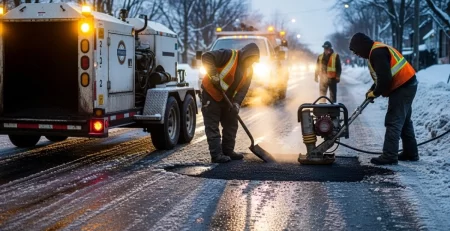
Autumn introduces increased rainfall and falling temperatures, which require greater flexibility in scheduling. While surfacing can still be carried out successfully, it demands closer monitoring of conditions and more conservative planning. Winter presents the greatest challenges, with cold temperatures, frost, and shorter daylight hours all affecting productivity and material performance.
Despite these challenges, experienced contractors can carry out road surfacing during winter months when necessary. This is achieved through careful material selection, strict adherence to temperature guidelines, and proactive weather management. Understanding seasonal impacts allows property managers to plan works strategically, balancing urgency with long-term performance.
Ground Conditions and Weather-Related Sub-Base Issues
Weather does not only affect the surface layer; it also has a significant impact on ground conditions beneath. Prolonged rainfall can saturate soils, reducing load-bearing capacity and increasing the risk of settlement after surfacing. In clay-heavy areas common across parts of the UK, moisture fluctuations can cause ground movement that places additional stress on road surfaces.
Before any surfacing work begins, ground conditions must be assessed to determine suitability. This may involve excavation, soil stabilisation, or the installation of additional sub-base layers to compensate for weather-affected ground. Failing to address these issues can lead to surface deformation, cracking, and costly repairs within a short timeframe.
Professional road surfacing contractors understand how local ground conditions interact with weather patterns. By tailoring preparation methods to site-specific factors, they ensure that the finished surface remains stable and durable despite environmental challenges.
How Weather Influences Long-Term Surface Performance
Once installed, road surfaces continue to interact with weather throughout their lifespan. Freeze-thaw cycles are a particular concern in the UK, where temperatures frequently fluctuate around freezing point during winter. Water that enters small cracks can freeze and expand, gradually widening defects and accelerating deterioration.
UV exposure, although less intense than in hotter climates, also contributes to surface ageing over time. Combined with rainfall and traffic loading, this leads to gradual oxidation and loss of flexibility in asphalt surfaces. Regular maintenance is therefore essential to address minor issues before they develop into more significant structural problems.
Understanding road surfacing weather UK impacts helps property owners anticipate maintenance needs and budget accordingly. Proactive care, such as timely repairs and surface treatments, can significantly extend service life even under challenging environmental conditions.
Adapting Road Surfacing Techniques to UK Weather
Professional contractors adapt their techniques to mitigate weather-related risks at every stage of a project. This includes careful scheduling to avoid adverse conditions, using weather-resistant materials, and employing experienced teams who understand how to adjust working methods in response to changing environments.
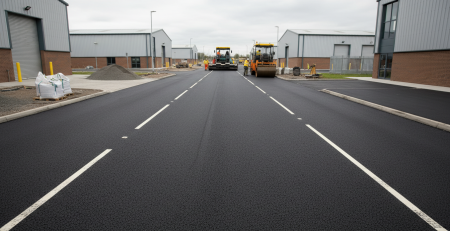
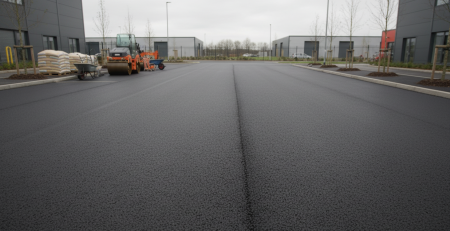
Machine-laid surfacing, for example, offers greater consistency and compaction control, which is particularly beneficial in variable weather. Similarly, proper edge detailing and joint construction help prevent water ingress, reducing vulnerability to rain and frost. These technical adaptations are not always visible to the untrained eye, but they play a crucial role in long-term performance.
Choosing specialists who provide comprehensive tarmac installation road surfacing services ensures that weather considerations are integrated into every aspect of the work rather than treated as an afterthought.
The Importance of Professional Planning and Local Expertise
Effective planning is the cornerstone of successful road surfacing in the UK climate. This involves assessing site exposure, understanding local weather patterns, and selecting appropriate materials and methods. Contractors with regional experience are better equipped to anticipate challenges and implement solutions that suit specific locations.
Local expertise also ensures compliance with relevant standards and best practices, which often include weather-related requirements. From temperature thresholds to moisture control, these guidelines exist to protect both the client’s investment and public safety.
Property owners managing multiple sites or complex access routes benefit from working with established commercial surfacing contractors who can coordinate works efficiently while minimising disruption caused by weather delays.
Planning Road Surfacing Projects Around Weather Constraints
Understanding how weather impacts road surfacing allows site managers to make informed decisions about timing and scope. Rather than reacting to problems after installation, proactive planning reduces risk and enhances value. This may involve scheduling works during optimal seasons, allowing contingency time for delays, or combining surfacing with drainage or ground improvement works.
Transparent communication between clients and contractors is essential during this process. Weather-related adjustments should be viewed as a sign of professionalism rather than inconvenience, as they ultimately contribute to better outcomes. A well-planned project acknowledges environmental realities and works with them rather than against them.
For organisations seeking proven results, reviewing completed projects through case studies can provide insight into how experienced teams manage weather challenges across different sites and conditions.
Long-Term Benefits of Weather-Aware Road Surfacing
When road surfacing is designed and installed with weather in mind, the benefits extend far beyond initial appearance. Improved durability, reduced maintenance costs, and enhanced safety all result from surfaces that are properly adapted to their environment. In the UK, where weather variability is a constant, this approach is not optional but essential.
By recognising the impact of road surfacing weather UK factors, property owners can make better-informed decisions and avoid common pitfalls. Investing in professional expertise and weather-conscious planning ensures that surfaces perform reliably year after year, regardless of what the climate delivers.