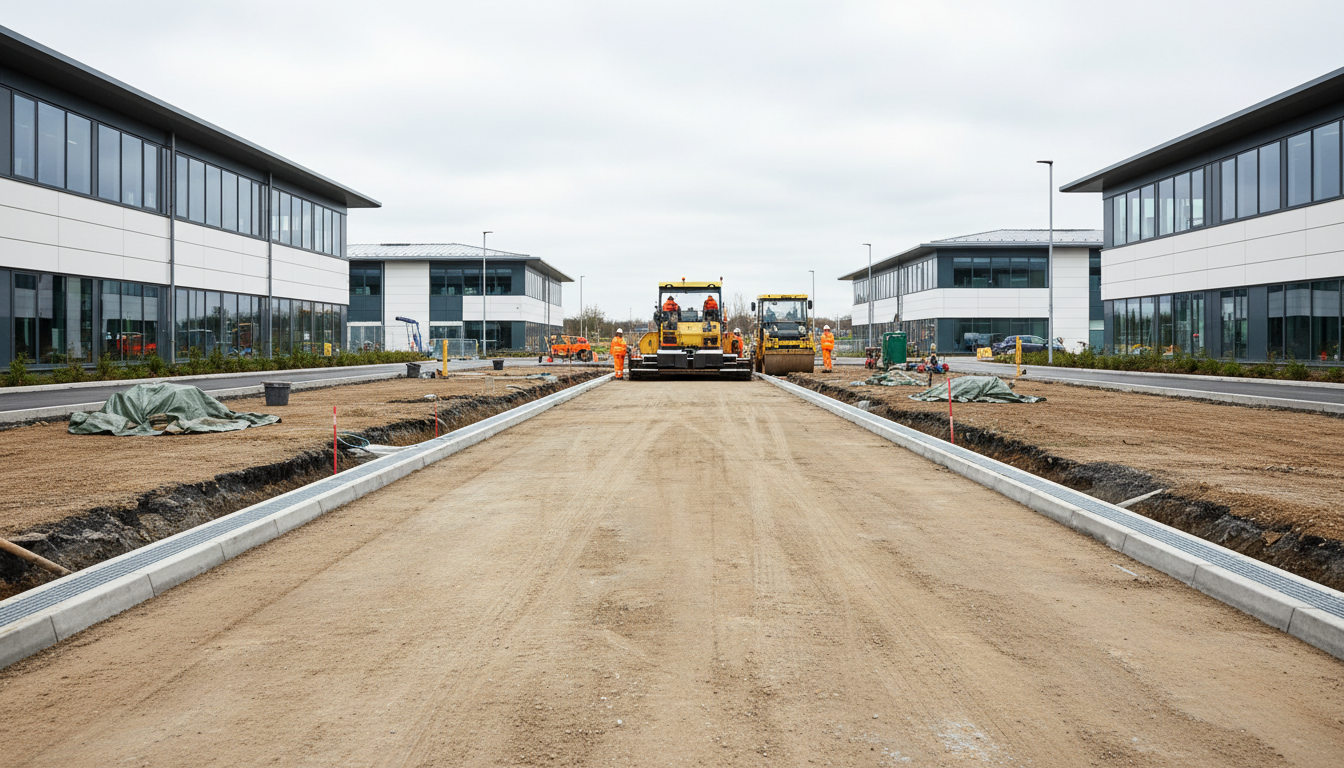
Preparing Sites for Road Surfacing Works
Road surfacing projects succeed or fail long before the first layer of material is laid. For property owners and site managers, road surfacing preparation in the UK is one of the most decisive stages in achieving a durable, compliant, and cost-effective surface. Preparation sets the foundation for structural strength, surface longevity, and ongoing performance under traffic loads and weather exposure.
Inadequate preparation often leads to early surface defects such as cracking, rutting, ponding water, or uneven finishes. These issues are rarely the result of poor materials alone. More commonly, they stem from insufficient groundwork, weak sub-bases, poor drainage planning, or rushed site clearance. A well-prepared site ensures that professional surfacing methods, including tarmac installation, can perform as intended and deliver long-term value.
Initial Site Assessment and Ground Conditions
Every road surfacing project should begin with a thorough site assessment. This stage identifies existing conditions that will influence design decisions, material selection, and construction methods. In the UK, ground conditions can vary significantly between sites, particularly where clay soils, made ground, or historic surfacing layers are present.
An effective assessment considers current surface condition, underlying structure, traffic usage, and environmental exposure. Existing defects such as cracking or subsidence often indicate deeper structural weaknesses that must be addressed before resurfacing begins. Ignoring these signs risks transferring problems into the new surface, shortening its lifespan considerably.
Ground bearing capacity is another critical factor. Subgrades must be capable of supporting expected loads without movement. Where ground conditions are weak or variable, additional stabilisation or deeper excavation may be required to ensure long-term performance.
Clearing and Preparing the Site Area
Once assessments are complete, physical site preparation begins. Clearing the area ensures unobstructed access for machinery and creates a clean working environment for surfacing teams. This stage includes the removal of vegetation, debris, loose materials, and any existing surface layers that are no longer structurally sound.
Vegetation removal is particularly important, as organic matter decomposes over time and causes voids beneath the surface. Roots left in place can also grow through new surfacing, leading to cracking and displacement. Proper excavation ensures that only stable, load-bearing materials remain within the construction depth.
For sites undergoing resurfacing rather than new construction, existing surfaces may require planing or full removal. The decision depends on structural condition, finished levels, and drainage requirements. In many commercial environments, this work is coordinated with commercial surfacing contractors to minimise disruption while maintaining safe access.
Establishing a Stable Sub-Base
The sub-base is the structural backbone of any road surface. In UK road surfacing preparation, this layer distributes loads evenly and prevents movement in the finished surface. A properly installed sub-base significantly reduces the risk of cracking, deformation, and premature failure.
Sub-base materials are typically well-graded aggregates compacted in controlled layers. Each layer must be compacted to specified densities to achieve uniform strength. Insufficient compaction is one of the most common preparation failures and often results in settlement once traffic is introduced.
Thickness and material selection depend on site usage. Light access roads require different sub-base designs compared to industrial yards or heavy traffic routes. In high-load environments, deeper construction depths and enhanced compaction techniques are essential to maintain structural integrity over time.
Managing Levels, Falls, and Surface Alignment
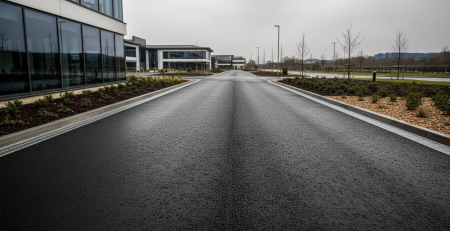
Accurate level control is central to effective road surfacing preparation in the UK. Finished surfaces must align with surrounding features such as buildings, drainage systems, kerbs, and thresholds. Errors at this stage can lead to water ingress, trip hazards, and poor aesthetics.
Falls and gradients are designed to manage surface water effectively. Even minor deviations can result in standing water, which accelerates surface deterioration and creates safety risks. Professional preparation ensures consistent gradients that support drainage without compromising accessibility.
In commercial and public environments, level management must also comply with accessibility standards. Smooth transitions and controlled slopes support safe movement for vehicles and pedestrians while meeting regulatory expectations.
Drainage Planning as Part of Preparation
Drainage is inseparable from site preparation. Without effective drainage, even the highest-quality surfacing materials will deteriorate prematurely. UK weather patterns, with frequent rainfall and freeze-thaw cycles, make drainage planning a fundamental aspect of road surfacing preparation.
Preparation works often include the installation or upgrading of drainage channels, gullies, and soakaways. Surface water must be directed away from trafficked areas and prevented from penetrating the sub-base. Where existing drainage is insufficient, failure to address it during preparation almost guarantees future defects.
In some cases, permeable surfacing solutions may be considered, but these still require precise preparation to function correctly. The success of any drainage approach relies on accurate groundwork and coordination between drainage and surfacing stages.
Preparing for Machine-Laid Surfacing
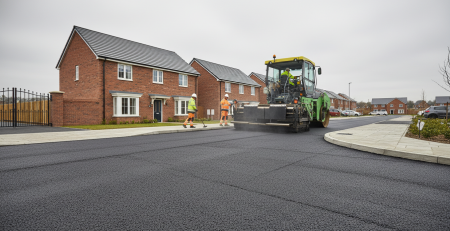
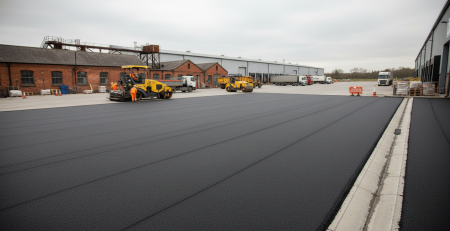
Modern road surfacing frequently uses mechanised installation methods to achieve consistency and efficiency. For machine-laid surfacing to perform effectively, preparation must be particularly precise. Uniform levels, stable edges, and clear access routes are essential to maintain smooth operation.
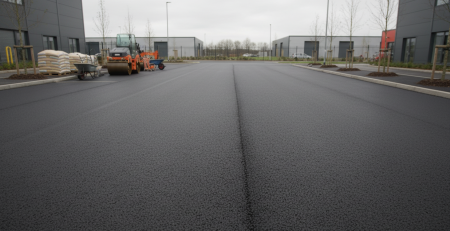
Preparation for machine lay tarmac involves ensuring sufficient working space for pavers and rollers, as well as consistent base conditions across the entire site. Any variations in sub-base strength or level can translate directly into surface irregularities once laid.
Edge restraints and kerbing must also be installed and secured prior to surfacing. These features provide lateral support and prevent surface spread under traffic loads, contributing significantly to long-term durability.
Coordination, Access, and Safety Planning
Site preparation extends beyond physical construction tasks. Effective coordination ensures that surfacing works proceed smoothly without unnecessary delays or safety risks. Access planning is particularly important for occupied sites, where businesses or residents must continue operating during works.
Clear communication between property owners, contractors, and stakeholders helps manage expectations and minimise disruption. Temporary traffic management measures may be required to maintain safe access routes while preparation works are underway.
Health and safety considerations are integrated into preparation planning, including risk assessments, method statements, and site controls. A well-prepared site supports safe working practices and reduces the likelihood of incidents during construction.
Addressing Existing Defects Before Surfacing
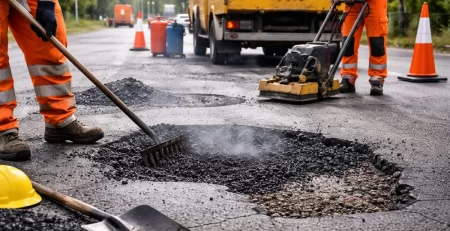
Preparation provides the opportunity to correct underlying defects that would otherwise compromise new surfacing. Issues such as potholes, edge failures, or structural cracking must be resolved at source rather than concealed beneath new layers.
Targeted repairs during preparation, including pothole repairs, restore structural continuity and ensure uniform load distribution. Addressing these problems early reduces the risk of reflective cracking and localised failure in the finished surface.
In some cases, full-depth reconstruction may be required where defects indicate widespread sub-base failure. While this increases upfront costs, it often delivers better long-term value by preventing repeated maintenance interventions.
Regional Considerations and Local Conditions
Road surfacing preparation in the UK must account for regional variations in soil conditions, weather exposure, and usage patterns. Urban sites may face constraints such as limited access and buried services, while rural locations often contend with softer ground and drainage challenges.
Understanding local conditions helps inform preparation strategies that suit the specific environment. Contractors familiar with regional requirements and working across areas we cover are better positioned to anticipate challenges and deliver reliable outcomes.
Tailoring preparation to site-specific conditions ensures that surfacing investments perform as intended, regardless of location or usage.
Long-Term Value of Thorough Preparation
Thorough preparation is not an optional extra in road surfacing projects. It is the foundation upon which all subsequent work depends. Investing time and expertise in preparation reduces the likelihood of defects, extends surface lifespan, and lowers long-term maintenance costs.
For property owners and site managers, understanding the importance of road surfacing preparation in the UK supports informed decision-making and realistic expectations. A well-prepared site allows professional surfacing to achieve its full potential, delivering safe, durable, and compliant surfaces that perform reliably year after year.