Road Surfacing for New Build Developments
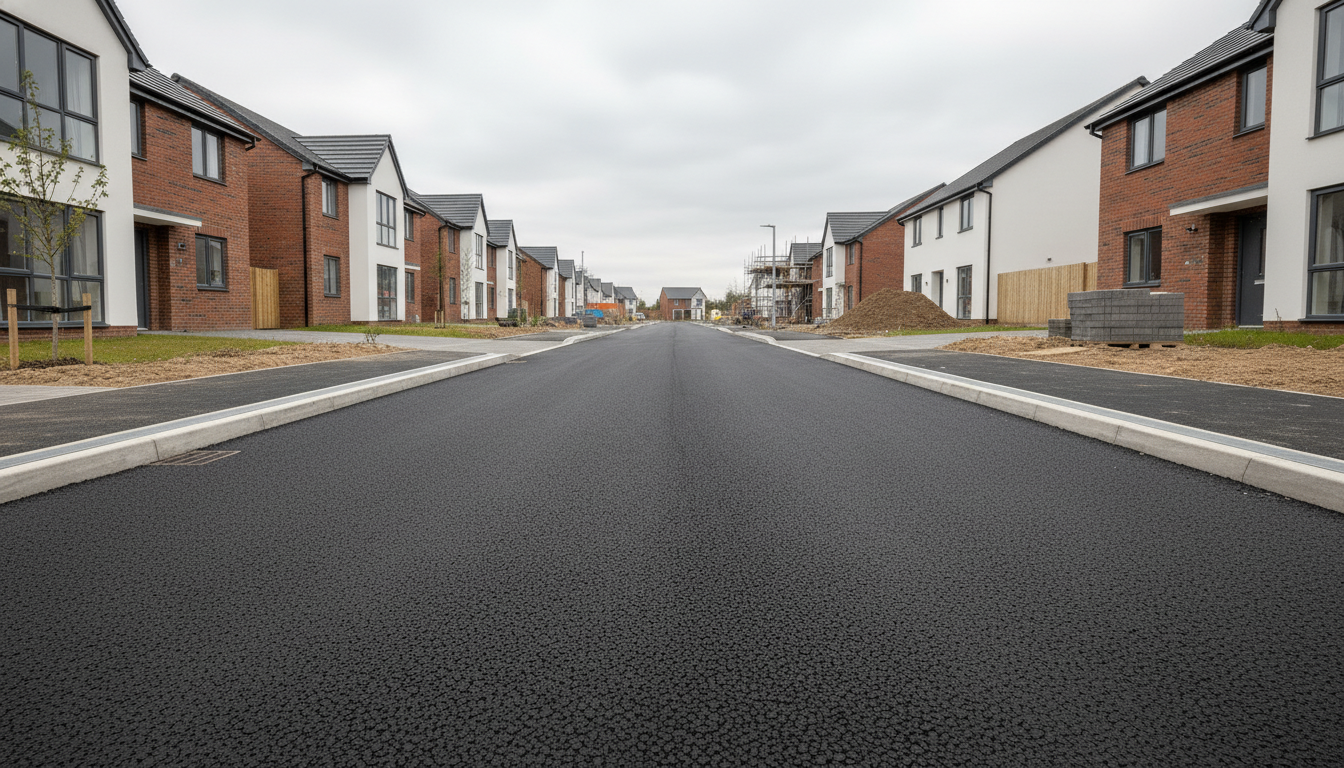
New build developments across the UK require carefully planned infrastructure from the earliest stages, and road surfacing plays a central role in how well a site functions long term. Access roads, shared driveways, service routes, and pedestrian-adjacent carriageways must all meet performance expectations while complying with regulatory standards. For developers, property owners, and site managers, new build road surfacing UK projects are not simply about creating a finished appearance, but about delivering a durable, safe surface that supports daily use and future maintenance.
Unlike resurfacing existing roads, new build projects start from a blank canvas. This allows surfacing works to be integrated with drainage design, utility installation, kerbing, and landscaping. When planned correctly, this results in a cohesive road network that performs consistently across the entire development. Poor planning or rushed installation at this stage can lead to premature deterioration, drainage failures, and costly remedial works once the site is occupied.
The Role of Groundworks and Sub-Base Preparation
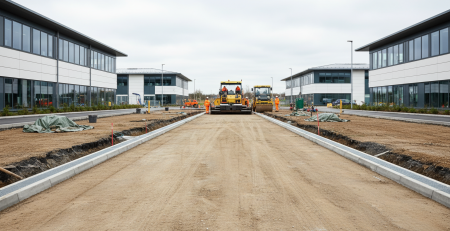
One of the most critical factors in new build road surfacing is what sits beneath the finished surface. Sub-base construction provides the structural strength required to support traffic loads, including delivery vehicles, refuse lorries, and emergency access. In the UK, sub-base layers are typically formed using well-compacted aggregates designed to distribute weight evenly and prevent movement over time.
For new developments, ground conditions can vary significantly across a single site. Former agricultural land, brownfield locations, and infill plots each present different challenges. Professional contractors assess soil stability, moisture content, and expected traffic levels before specifying sub-base depth and composition. This ensures that the final surfacing performs as intended and reduces the risk of settlement or cracking once the development is occupied.
Choosing Suitable Surfacing Materials for Modern Developments
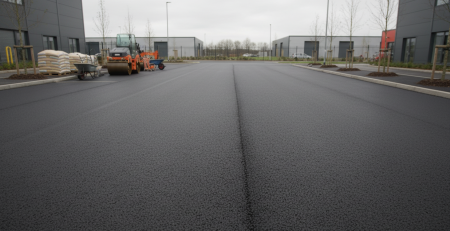
Material selection is a key consideration in new build road surfacing UK projects. Tarmac remains one of the most commonly used materials for estate roads and access routes due to its strength, flexibility, and cost efficiency. It provides a smooth finish that accommodates both vehicular and pedestrian use, making it suitable for residential developments, mixed-use schemes, and private estates.
In some cases, alternative finishes may be incorporated for visual contrast or specific performance needs, such as resin-bound surfaces for low-traffic areas or decorative entrances. Regardless of the material choice, compatibility with the underlying construction and intended usage must be carefully evaluated. Professional tarmac installation ensures that materials are laid to correct thicknesses and compacted properly, providing a consistent finish across the development.
Drainage Integration Within Road Surfacing Design
Effective drainage is essential for the long-term performance of any new road surface. Inadequate water management is one of the most common causes of surface failure, leading to standing water, freeze-thaw damage, and accelerated wear. New build developments offer the opportunity to design drainage systems that work seamlessly with road layouts, gradients, and surrounding infrastructure.
Surface water must be directed away from the carriageway using carefully planned falls, channel drains, and connection points. In residential developments, drainage design must also consider pedestrian safety and accessibility. When drainage is properly integrated during construction, it helps preserve the integrity of the surface and reduces the likelihood of future repairs.
Phased Surfacing for Construction Traffic Management
New build sites typically experience heavy construction traffic long before residents or tenants move in. Managing this traffic is an important part of surfacing strategy. In many cases, base layers are installed early to provide stable access for contractors, with final surface courses applied once construction activity has reduced.
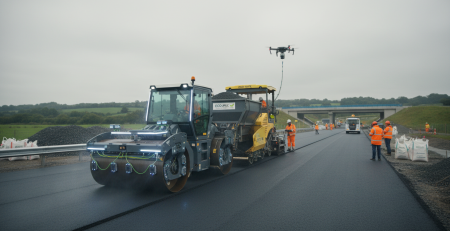
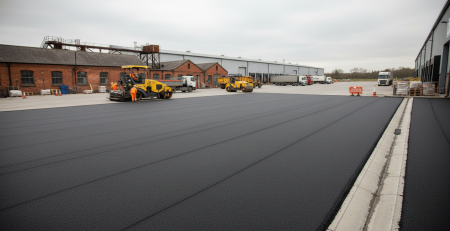
This phased approach protects the finished surface from damage caused by plant machinery and delivery vehicles. It also allows developers to complete utility installations and landscaping without compromising the quality of the final road finish. Machine-laid applications are often used at this stage to achieve consistent levels and smooth transitions between phases, particularly on larger developments where uniformity is critical.
Compliance With UK Standards and Local Authority Requirements
New build road surfacing must comply with a range of UK standards and local authority specifications. These requirements govern aspects such as surface thickness, material performance, skid resistance, and drainage provision. For developments intended for adoption, adherence to local council standards is essential to ensure approval and long-term acceptance.
Professional surfacing contractors remain up to date with current regulations and ensure that installations meet or exceed required benchmarks. This reduces delays during inspections and provides assurance that the completed roads are fit for purpose. Developers benefit from reduced risk, while future occupants gain safer, more reliable access routes.
Safety and Accessibility Considerations
Safety is a primary concern in new build developments, particularly where shared spaces are involved. Road surfacing must provide adequate grip in wet conditions, clear demarcation between vehicular and pedestrian areas, and smooth transitions at crossings and junctions. These factors contribute to reduced accident risk and improved usability for all users.
Accessibility is also increasingly important, especially in residential developments designed to accommodate a wide range of occupants. Smooth, well-laid surfaces support mobility aids, pushchairs, and cyclists, enhancing the overall functionality of the site. Attention to detail during installation ensures that finished surfaces meet both safety expectations and modern accessibility standards.
Long-Term Maintenance Planning From the Outset
Although new road surfaces are designed for durability, long-term performance depends on proactive maintenance planning. New build road surfacing UK projects benefit from early consideration of maintenance access, repair strategies, and surface life expectancy. By understanding how surfaces will be maintained over time, developers and property managers can make informed decisions during construction.
Routine inspections, timely repairs, and appropriate surface treatments all help extend the lifespan of estate roads and access routes. Addressing minor defects early prevents them from developing into larger structural issues. Contractors experienced in both installation and maintenance can provide guidance that supports long-term asset management for new developments.
Working With Experienced Surfacing Contractors
The success of any new build road surfacing project depends heavily on the expertise of the contractor. Experienced professionals understand the complexities of coordinating surfacing works with other trades, managing site logistics, and delivering consistent quality across large developments. They also provide clear communication throughout the project, helping developers stay informed and confident in progress.
Choosing established commercial surfacing contractors ensures that projects are delivered efficiently and in line with expectations. From initial planning through to final handover, professional contractors contribute to the overall success of the development by delivering surfaces that perform reliably and present a professional finish.
The Importance of Quality Installation for Future Value
Well-executed road surfacing adds lasting value to new build developments. Smooth, durable access roads enhance first impressions, support safe movement, and reduce the likelihood of early maintenance costs. For developers, this translates into smoother handovers and improved satisfaction for buyers, tenants, and managing agents.
By prioritising quality materials, professional installation, and integrated planning, new build road surfacing UK projects can deliver long-term benefits that extend well beyond completion. Roads constructed with care and expertise form a reliable foundation for communities and commercial sites alike, supporting daily use and future growth.