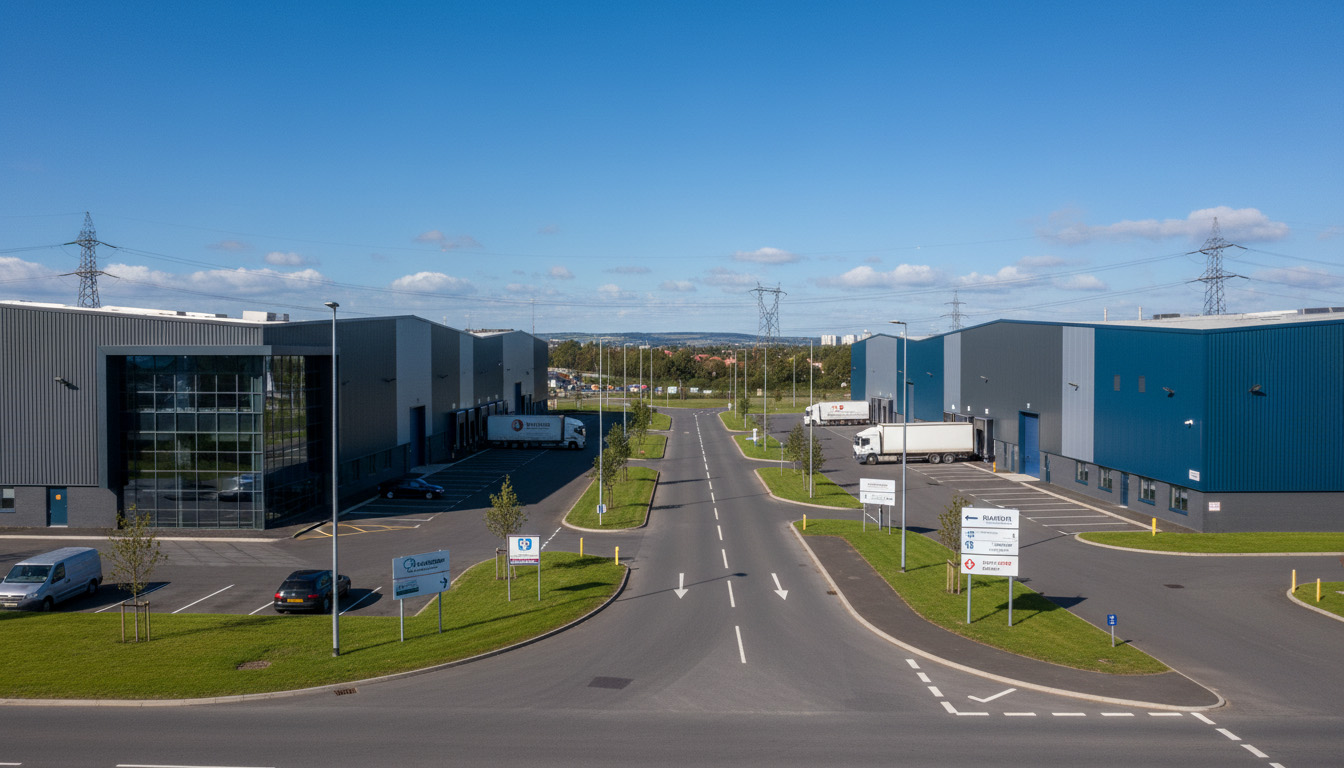
The Lifecycle of a Commercial Road Surface
A commercial road surface is a critical piece of infrastructure for many types of properties across the UK. Business parks, industrial estates, distribution centres, schools, and large residential developments all rely on durable access roads to maintain safe and efficient movement of vehicles. However, like any constructed surface, a road does not remain in perfect condition indefinitely.
Understanding the commercial road surface lifecycle UK property owners experience is essential for planning maintenance, budgeting for future works, and ensuring access routes remain safe and reliable. From initial construction to long-term resurfacing, each stage plays an important role in determining how well a road performs over time.
Proper installation, regular inspections, and professional maintenance can significantly extend the lifespan of a commercial road surface and reduce the likelihood of costly repairs.
Stage One: Site Assessment and Planning
Every successful surfacing project begins with a detailed site assessment. Before any materials are delivered or machinery arrives on site, contractors must evaluate the ground conditions, traffic demands, drainage requirements, and long-term use of the road.
Commercial access roads often experience far greater loads than residential roads. Delivery vehicles, heavy goods vehicles, forklifts, and frequent traffic movements place significant stress on the surface structure. As a result, the design of the road must account for these conditions from the very beginning.
Professional contractors providing commercial surfacing services typically assess factors such as ground stability, subsoil composition, existing infrastructure, and surface water management. These considerations influence the thickness of the sub-base, the materials used, and the type of surfacing selected.
Without proper planning at this stage, even the highest quality surface materials can fail prematurely.
Stage Two: Ground Preparation and Sub-Base Construction
Once planning is complete, the next stage in the commercial road surface lifecycle UK projects follow involves preparing the ground and installing the structural foundation of the road.
Excavation removes unsuitable materials and creates space for the road structure. The sub-base layer is then installed using compacted aggregates that provide strength, stability, and load distribution. This layer is essential because it supports the entire road structure above it.
Poorly prepared foundations are one of the most common causes of road failure. If the sub-base is weak or uneven, the surface layer may develop cracks, depressions, or structural damage under heavy traffic.
Experienced surfacing contractors ensure proper compaction and grading throughout this stage, which allows the road to handle long-term vehicle loads without excessive movement or settlement.
Stage Three: Binder Course Installation
After the sub-base has been completed, the binder course is applied. This layer sits between the foundation and the final surface course and plays an important structural role in the road.
The binder course provides additional strength and distributes traffic loads across the road structure. It also creates a smooth and stable base for the final surfacing layer.
Modern road construction frequently uses professionally installed tarmac systems. High-quality tarmac installation road surfacing services ensure the binder and surface layers are applied consistently and compacted correctly.
This stage requires careful temperature control and precision machinery to achieve a uniform finish.
Stage Four: Surface Course Installation
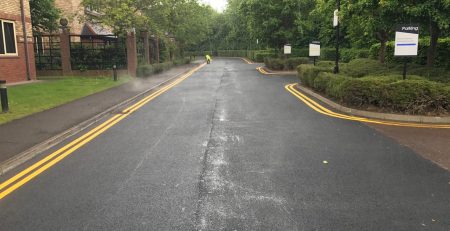
The surface course is the final visible layer of the road. This is the section that vehicles drive on and where surface durability becomes most noticeable.
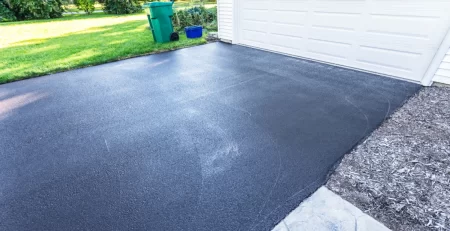
For commercial environments, machine-laid tarmac is often the preferred option because it produces a smooth, consistent surface capable of withstanding regular traffic. Contractors using machine lay tarmac equipment can achieve precise thickness and uniform compaction across large areas.
The surface layer also contributes to skid resistance, water runoff, and overall driving safety. A properly installed surface course creates a professional appearance while protecting the structural layers beneath.
Although this layer may appear to be the most important part of the road, its performance still depends heavily on the quality of the underlying construction.
Stage Five: Early Use and Initial Settling
Once the road surface has been installed and cooled, it enters the early use phase of its lifecycle. During this period, the road begins to experience regular traffic and environmental exposure.
Weather conditions in the UK, including rainfall, temperature fluctuations, and seasonal changes, gradually affect the surface. Minor settlement can occur as the road adjusts to consistent vehicle loads.
This stage is generally stable when construction has been carried out correctly. However, early signs of issues such as small cracks or drainage problems should be monitored carefully.
Regular inspections during this phase help ensure small problems are identified before they develop into larger structural failures.
Stage Six: Ongoing Maintenance and Repairs
Over time, all road surfaces begin to show signs of wear. The frequency and severity of deterioration depend on traffic volume, environmental conditions, and the quality of the original installation.
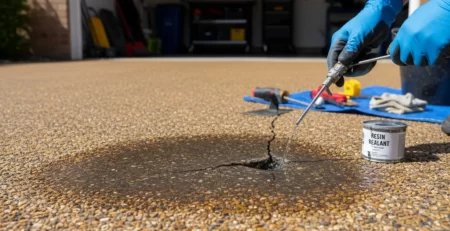
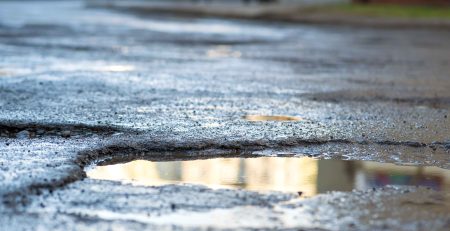
Routine maintenance forms a key part of the commercial road surface lifecycle UK sites must manage. Small defects, including surface cracks or potholes, should be repaired promptly to prevent water infiltration and structural damage.
Professional contractors offering pothole repair services can restore damaged areas before they compromise the integrity of the surrounding surface.
Preventative maintenance significantly extends the lifespan of commercial roads and reduces the likelihood of major resurfacing projects being required too early.
Stage Seven: Surface Ageing and Wear
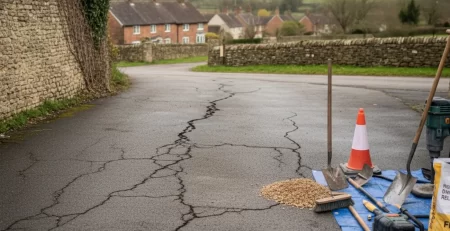
As years pass, the road surface naturally begins to age. Oxidation, traffic stress, and environmental exposure gradually weaken the bitumen that binds the aggregates together.
This ageing process may lead to visible signs such as surface cracking, fading, minor rutting, or reduced skid resistance. While these issues may initially appear cosmetic, they can indicate that the surface layer is approaching the end of its optimal performance period.
Commercial property managers often schedule periodic inspections to monitor these changes and plan for future resurfacing works.
Maintaining awareness of the road’s condition helps avoid sudden disruptions to site access or business operations.
Stage Eight: Resurfacing or Rehabilitation
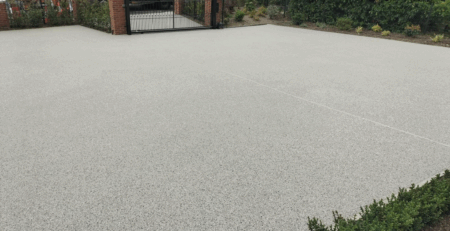
Eventually, most commercial road surfaces reach a point where resurfacing becomes the most effective solution. Rather than rebuilding the entire road, resurfacing typically involves removing or overlaying the top layer while retaining the existing structural foundation if it remains stable.
This process restores surface performance, improves safety, and refreshes the appearance of the site.
Many businesses choose to plan resurfacing projects strategically to coincide with other infrastructure upgrades or maintenance programmes. Reviewing previous project outcomes through real-world examples can provide valuable insight, which is why many property managers explore completed work in detailed surfacing case studies.
Resurfacing ensures that commercial access roads continue to support daily operations without compromising safety or efficiency.
How to Extend the Life of a Commercial Road Surface
Although every road eventually reaches the end of its lifecycle, proactive management can significantly extend its service life.
Professional installation, proper drainage design, routine inspections, and timely repairs all contribute to improved longevity. Roads that are well maintained often last many years longer than those that receive little attention.
Property owners and site managers who work with experienced surfacing specialists also benefit from expert advice regarding maintenance schedules and future resurfacing requirements.
Companies such as Total Surfacing Solutions provide guidance, installation expertise, and ongoing maintenance support for commercial and infrastructure surfacing projects across the UK.
Understanding the full commercial road surface lifecycle UK sites experience allows property owners to make informed decisions about maintenance, safety, and long-term infrastructure investment.