Why Poor Excavation Depth Leads to Early Road Failure
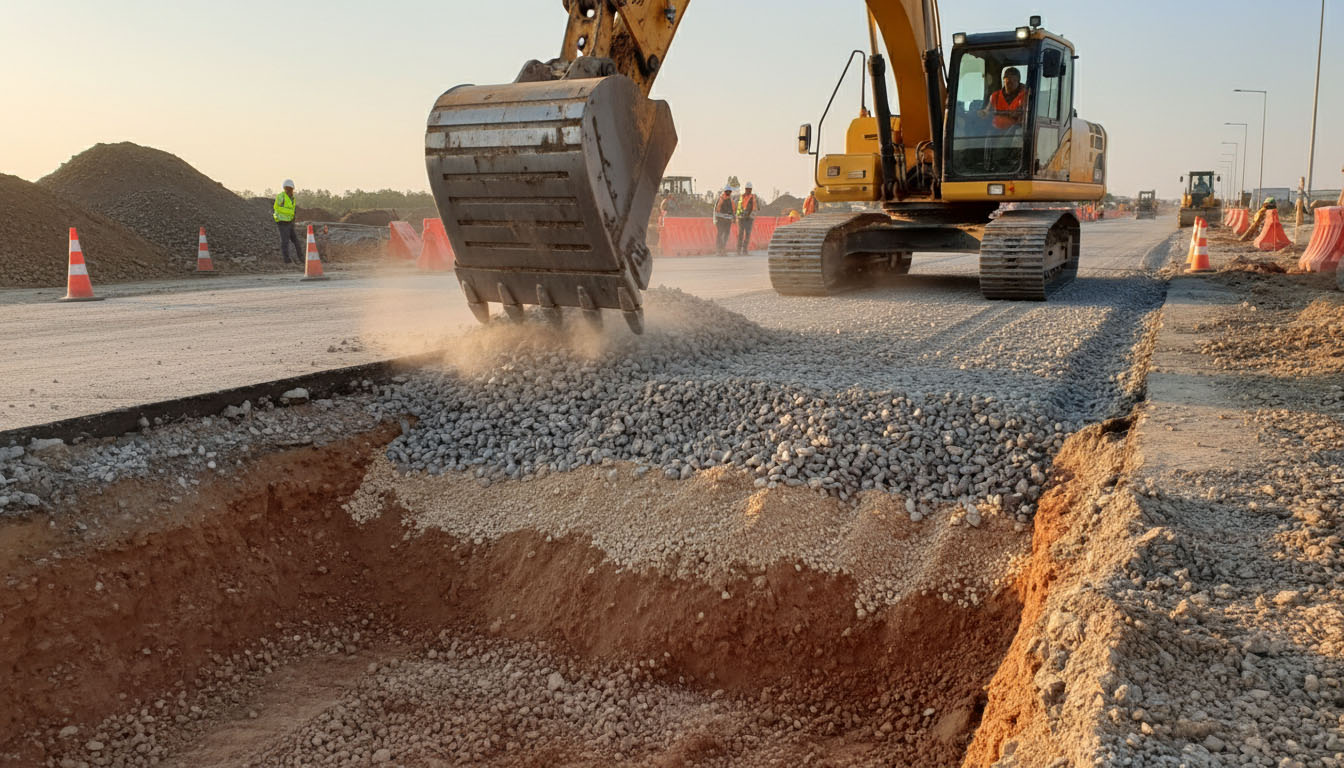
Excavation is one of the most critical stages in any road construction project, yet it is often underestimated by property owners and site managers. The excavation depth determines the strength and longevity of the entire surface structure. Without sufficient depth, even the highest quality surfacing materials will fail prematurely.
In the UK, where weather conditions, soil variability, and traffic demands all place stress on road surfaces, proper excavation is not optional. It forms the foundation upon which all subsequent layers rely. When excavation is carried out correctly, it allows for the installation of a stable sub-base, proper drainage, and a durable wearing course.
However, when excavation depth is insufficient, the entire structure becomes vulnerable from the outset. This often results in visible defects within a short period, leading to increased maintenance costs and disruption.
What Happens When Excavation Depth Is Too Shallow
A shallow excavation limits the thickness of the sub-base and surface layers. This directly affects the load-bearing capacity of the road. Vehicles passing over the surface apply repeated pressure, and without adequate structural support beneath, the surface begins to deteriorate.
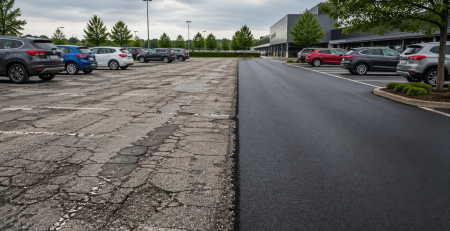
One of the earliest signs of this issue is deformation. The road may begin to show rutting or uneven areas, particularly in sections exposed to frequent traffic. Over time, this can escalate into cracking, potholes, and widespread surface failure.
Poor excavation depth also prevents proper compaction. When there is not enough space for layers to be installed and compacted correctly, voids can form beneath the surface. These voids weaken the structure and create points of failure under stress.
In many cases, these problems emerge far sooner than expected, sometimes within months of installation. This is why professional planning and execution are essential in any tarmac installation project.
The Importance of a Proper Sub-Base
The sub-base is the structural backbone of any road. It distributes loads evenly and provides a stable platform for the surface layer. Without adequate excavation depth, the sub-base cannot be installed to the required thickness.
In the UK, sub-base layers typically consist of well-graded aggregate materials that are compacted in layers. These materials need sufficient depth to perform effectively. If the excavation is too shallow, the sub-base becomes too thin, reducing its ability to handle traffic loads.
This leads to stress being transferred directly to the surface layer, which is not designed to تحمل structural loads on its own. As a result, the surface begins to crack and break down.
Additionally, a poorly installed sub-base can shift over time, especially in areas with softer ground conditions. This movement further accelerates surface deterioration and increases the likelihood of costly repairs.
Drainage Issues Caused by Inadequate Excavation
Drainage is another critical factor affected by excavation depth. Roads must be designed to allow water to drain away efficiently. When excavation is insufficient, there is limited space to incorporate proper drainage solutions.
Water can become trapped within the layers of the road structure, weakening the sub-base and causing it to lose stability. In colder months, this trapped moisture can freeze and expand, leading to further damage.
Standing water on the surface is also more likely when the road profile is not correctly formed due to shallow excavation. This not only contributes to surface wear but also creates safety hazards for users.
Proper excavation ensures that the necessary gradients and drainage systems can be installed, protecting the road from water-related damage over the long term.
Increased Risk of Potholes and Cracking
Potholes are one of the most common and visible signs of road failure. They often develop when water penetrates the surface and weakens the underlying layers. In roads with poor excavation depth, this process is accelerated.
Cracks form as the surface struggles to cope with the stresses placed upon it. These cracks allow water to enter the structure, leading to further deterioration. Over time, sections of the surface break away, forming potholes.
Frequent pothole repairs may provide temporary relief, but they do not address the underlying issue. Without correcting the excavation depth and rebuilding the structure properly, the problem will continue to recur.
This cycle of repair and failure can become costly and disruptive, particularly for commercial sites where access is essential.
The Impact of Traffic Load and Usage
Different roads are subject to different levels of traffic, and excavation depth must be tailored accordingly. A residential access road will have different requirements compared to a commercial yard or industrial site.
When excavation depth does not match the expected traffic load, the road is likely to fail prematurely. Heavy vehicles exert significant pressure on the surface, and without adequate structural support, this pressure leads to rapid deterioration.
Commercial environments, in particular, require robust construction methods. Working with experienced commercial surfacing contractors ensures that excavation and construction are carried out to meet these demands.
Ignoring these considerations often results in surfaces that cannot withstand daily use, leading to frequent repairs and operational disruptions.
Soil Conditions and Their Influence on Excavation Depth
Ground conditions vary significantly across the UK, and this has a direct impact on how deep excavation needs to be. Clay soils, for example, are prone to movement and require deeper excavation and more robust sub-base construction.
Sandy or loose soils may also require additional stabilisation to prevent shifting. Without adjusting excavation depth to suit these conditions, the road structure remains vulnerable.
Professional site assessments are essential to determine the appropriate excavation depth. This ensures that the road is built to withstand both environmental conditions and usage demands.
Failing to account for soil conditions is a common cause of early road failure, particularly in areas with challenging ground characteristics.
Long-Term Cost Implications
While reducing excavation depth may seem like a way to save money during construction, it often leads to higher costs in the long term. Roads that fail early require frequent maintenance, repairs, or even complete resurfacing.
These additional costs can quickly exceed any initial savings. Moreover, the disruption caused by ongoing repairs can impact businesses, residents, and site operations.
Investing in proper excavation from the outset provides better value over time. It ensures that the road performs as expected and reduces the need for ongoing maintenance.
Reviewing previous projects through case studies can help illustrate the long-term benefits of correct construction practices.
Ensuring the Correct Excavation Depth
Achieving the correct excavation depth requires careful planning, accurate measurement, and professional execution. It involves understanding the intended use of the road, assessing ground conditions, and selecting appropriate materials.
Experienced contractors will carry out detailed site evaluations and design the road structure accordingly. This includes determining the required depth for each layer and ensuring proper compaction throughout the process.
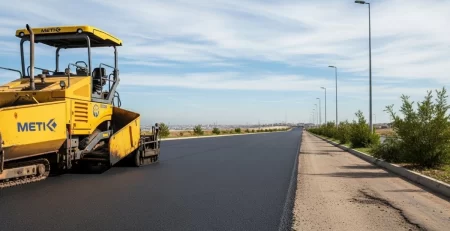
Using modern equipment and techniques, such as machine lay tarmac, helps achieve consistent results and ensures that the surface is laid to the correct specifications.
Attention to detail at this stage is crucial. Even small deviations in excavation depth can have significant consequences for the performance of the road.
Why Professional Expertise Matters
Road construction is a complex process that requires specialist knowledge and experience. Attempting to cut corners, particularly during excavation, often leads to poor outcomes.
Professional contractors understand the importance of each stage of the process and ensure that standards are met throughout. From excavation to final surfacing, every step is carefully managed to deliver a durable and reliable result.
For property owners and site managers, working with trusted professionals provides peace of mind. It ensures that the investment in road surfacing delivers long-term performance and value.
Further guidance and support can be found by visiting the about us page, where expertise and experience in road construction are clearly outlined.
Conclusion
Poor excavation depth is one of the leading causes of early road failure in the UK. It compromises the structural integrity of the road, affects drainage, and increases the risk of defects such as cracking and potholes.
By ensuring that excavation is carried out to the correct depth, property owners and site managers can significantly improve the lifespan and performance of their roads. This not only reduces long-term costs but also enhances safety and usability.
Investing in proper groundwork is essential. It provides a solid foundation for all subsequent layers and ensures that the road can withstand the demands placed upon it.
For those planning a surfacing project, prioritising excavation depth is one of the most important decisions that can be made.