Signs Your Road Surface Needs Resurfacing
Road and access surfaces play a critical role in the safety, appearance, and functionality of any property. Whether it is a commercial yard, private estate road, or car park, a well-maintained surface ensures smooth vehicle movement, reduces liability risks, and reflects a professional standard. However, surfaces naturally degrade over time due to traffic, weather, and underlying structural issues.
Recognising early road resurfacing signs UK property owners should be aware of can prevent more serious damage and costly repairs. Acting promptly allows for targeted repairs or resurfacing before the situation worsens, helping to maintain both safety and long-term value.
What Causes Uneven Road Surfaces?
Uneven surfaces rarely appear without cause. They are typically the result of ongoing wear combined with environmental and structural factors. In the UK, fluctuating weather conditions play a major role, particularly freeze-thaw cycles that expand and contract materials beneath the surface.
Heavy vehicle use is another common contributor. Repeated pressure from lorries, delivery vehicles, or construction traffic can weaken the sub-base, leading to dips, depressions, and deformation. Poor initial installation or inadequate drainage can accelerate this process, as water penetration undermines the integrity of the surface layers.
When these factors combine, the result is an uneven surface that signals deeper issues beneath the visible layer.
Early Signs of Uneven Surfaces
Subtle Surface Irregularities
In the early stages, unevenness may appear as slight undulations or minor depressions. These can be easy to overlook but are often the first indication that the surface is beginning to fail. Vehicles may experience a slightly uneven ride, and water may begin to collect in shallow areas.
These early signs should not be ignored, as they typically worsen over time. Addressing them early can prevent the need for more extensive resurfacing work later.
Standing Water After Rainfall
Poor drainage is a key indicator of surface problems. When water pools on the surface instead of draining away, it suggests that the gradient has been compromised. Over time, standing water seeps into cracks and weakens the structure further.
Effective drainage is essential for maintaining a durable surface, and persistent pooling is one of the clearest road resurfacing signs UK property managers should take seriously.
Visible Damage That Requires Immediate Attention
Cracks Expanding Across the Surface
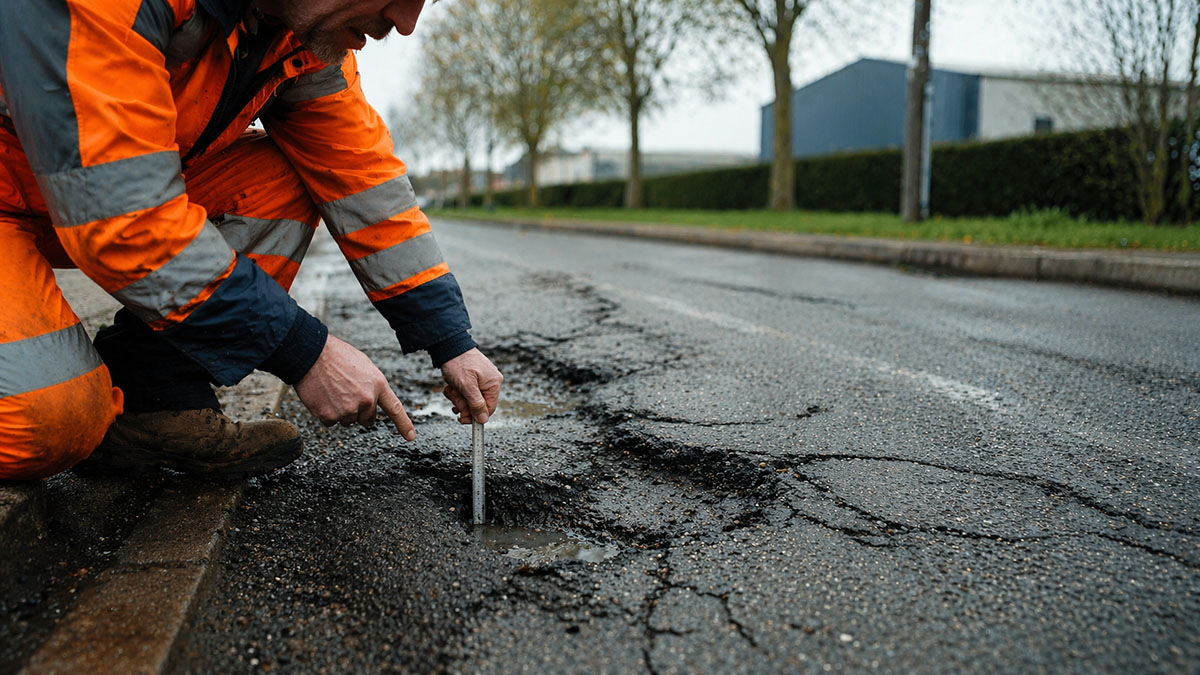
Cracking is one of the most common and visible signs of surface deterioration. Small cracks may initially seem harmless, but they allow water to penetrate the surface and reach the sub-base. As temperatures fluctuate, these cracks expand, leading to more extensive damage.
Over time, interconnected cracks can form a pattern known as alligator cracking, which indicates structural failure and typically requires full resurfacing rather than simple repairs.
Potholes and Surface Breakage
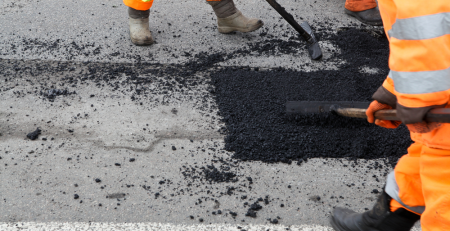
Potholes develop when water infiltrates cracks and weakens the underlying material. As vehicles pass over these weakened areas, the surface collapses, creating holes that can pose serious safety risks.
Prompt pothole repairs can address isolated issues, but when potholes become widespread, they are a clear sign that resurfacing is necessary to restore the integrity of the entire area.
Surface Deformation and Rutting
Rutting occurs when repeated traffic compresses the surface, creating grooves or channels. This is particularly common in areas with heavy or consistent vehicle use, such as industrial sites or loading bays.
These depressions not only affect vehicle handling but also contribute to water accumulation, further accelerating deterioration. Once rutting becomes pronounced, resurfacing is often the most effective solution.
Structural Issues Beneath the Surface
Sub-Base Failure
Uneven surfaces are not always just a surface-level issue. In many cases, they indicate problems with the sub-base, which provides the foundation for the entire structure. When the sub-base fails, the surface above it loses support, leading to sinking, cracking, and deformation.
Addressing sub-base issues typically requires more comprehensive work, including excavation and reconstruction, followed by professional tarmac installation to ensure a durable finish.
Edge Deterioration
The edges of a road or car park are particularly vulnerable to damage. Without proper support, they can begin to crumble or break away, especially in areas with poor drainage or heavy use.
Edge deterioration often spreads inward, compromising the stability of the entire surface. Early intervention can prevent further damage and reduce the scope of required repairs.
Safety Implications of Uneven Surfaces
Uneven road surfaces present a range of safety risks for both vehicles and pedestrians. Drivers may struggle to maintain control on uneven or damaged surfaces, particularly in wet conditions. Pedestrians are also at risk of trips and falls, especially in poorly lit areas.
For commercial property owners, these risks can lead to liability concerns and potential legal issues. Maintaining a smooth, even surface is not only a matter of aesthetics but also a critical aspect of site safety and compliance.
When Repairs Are No Longer Enough
Frequency of Ongoing Repairs
If a surface requires frequent patching or maintenance, it may be more cost-effective to invest in full resurfacing. Repeated repairs often indicate underlying issues that cannot be resolved with surface-level fixes alone.
A comprehensive approach ensures that the root causes are addressed, providing a longer-lasting solution and reducing ongoing maintenance costs.
Widespread Damage Across the Surface
When damage is not confined to a single area but is spread across the entire surface, resurfacing becomes the most practical option. This allows for a uniform finish and restores the structural integrity of the road or access area.
Professional contractors can assess the extent of the damage and recommend the most appropriate course of action, whether that involves partial repairs or complete resurfacing.
The Role of Professional Assessment
Accurately identifying road resurfacing signs UK property owners encounter requires experience and technical knowledge. A professional assessment can determine whether the issue is superficial or indicative of deeper structural problems.
Working with experienced commercial surfacing contractors ensures that all aspects of the surface are evaluated, including drainage, sub-base condition, and traffic demands. This leads to more effective solutions and long-term reliability.
Preventing Future Surface Problems
While resurfacing addresses existing issues, preventative measures are essential for maintaining long-term performance. Regular inspections, proper drainage design, and high-quality materials all contribute to a more durable surface.
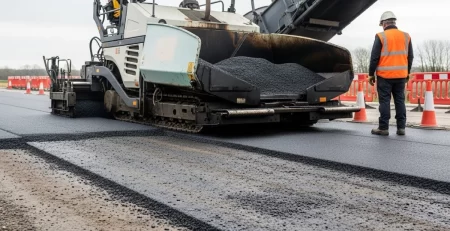
Investing in professional installation methods, such as machine lay tarmac, can also improve consistency and strength, reducing the likelihood of uneven wear over time.
Ongoing maintenance, including timely repairs and cleaning, helps to preserve the surface and extend its lifespan. By taking a proactive approach, property owners can minimise disruption and avoid unexpected costs.
Conclusion
Uneven surfaces are more than just a minor inconvenience. They are often early indicators of deeper structural issues that, if left unaddressed, can lead to significant damage and safety risks. Recognising the key road resurfacing signs UK property owners should watch for allows for timely intervention and more cost-effective solutions.
From subtle undulations and standing water to visible cracks and potholes, each sign provides valuable insight into the condition of the surface. Acting early ensures that repairs or resurfacing can be carried out efficiently, restoring safety, functionality, and appearance.