Understanding Cost Per m² for Tarmac, Resin, and Concrete in the UK
Understanding cost per square metre is one of the most important steps when planning any surfacing project. Whether you are managing a commercial site, upgrading a private road, or installing a new access route, comparing materials such as tarmac, resin, and concrete helps you make informed decisions that balance performance and budget.
The term “cost per m²” provides a useful benchmark, but it should never be viewed in isolation. Real-world pricing depends on a combination of factors including ground preparation, site access, drainage requirements, and long-term durability expectations. For UK property owners and site managers, a clear understanding of how these materials differ ensures better project outcomes and avoids unexpected costs later.
What Influences Cost Per m² in Surfacing Projects
Before comparing specific materials, it is important to understand what drives pricing across all surfacing types. While headline figures are often quoted, actual costs can vary significantly depending on site conditions.
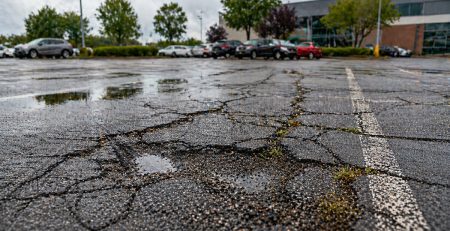
Ground preparation plays a major role in determining cost. If the existing surface is unstable or poorly constructed, additional excavation and sub-base installation will be required. This increases both labour and material costs but is essential for long-term performance.
Drainage is another critical factor. Poor water management leads to surface failure, so incorporating proper gradients or drainage systems can influence overall pricing. Projects that require extensive drainage solutions will naturally have a higher cost per m².
Access and logistics also affect pricing. Sites with limited access or those located in busy urban areas often require additional planning, specialised equipment, or traffic management measures.
Finally, the intended use of the surface impacts material choice and cost. Areas subjected to heavy traffic, such as commercial yards or industrial estates, require more robust construction than light-use residential driveways.
Cost Per m² for Tarmac in the UK
Tarmac remains one of the most widely used surfacing materials in the UK due to its balance of cost, durability, and speed of installation. On average, tarmac surfacing costs range from moderate to cost-effective per square metre, making it a practical choice for both domestic and commercial applications.
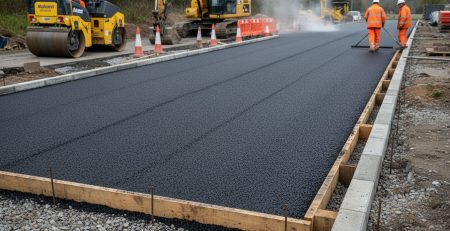
The affordability of tarmac is largely due to its efficient installation process. When installed using professional tarmac installation, large areas can be completed quickly, reducing labour costs. Machine-laid tarmac further improves consistency and efficiency, which is particularly beneficial for larger sites.
Tarmac performs well under regular traffic conditions and can be designed to withstand heavier loads when constructed with the appropriate sub-base. Its flexibility allows it to adapt to minor ground movement, reducing the likelihood of cracking compared to more rigid materials.
Maintenance requirements for tarmac are generally low, although periodic resurfacing may be needed over time. When considering lifecycle costs, tarmac often proves to be one of the most economical options available.
Cost Per m² for Resin Surfaces
Resin-bound surfacing has become increasingly popular in recent years, particularly for residential and visually sensitive environments. While the cost per m² for resin is typically higher than tarmac, it offers distinct advantages that justify the investment in certain applications.
One of the primary benefits of resin surfaces is their aesthetic appeal. Available in a range of colours and finishes, resin can enhance the appearance of driveways, pathways, and commercial entrances. For property owners looking to improve kerb appeal, this can be a significant factor.
Resin is also permeable, allowing water to drain naturally through the surface. This reduces the need for additional drainage infrastructure and can help comply with sustainable drainage regulations. In some cases, this can offset part of the initial cost.
Durability is another key consideration. When installed correctly on a suitable base, resin surfaces provide a smooth, hard-wearing finish that resists cracking and weed growth. Professional installation, such as specialist resin driveways, ensures longevity and consistent performance.
Although the upfront cost per m² is higher, resin surfaces can offer long-term value through reduced maintenance and enhanced visual impact.
Cost Per m² for Concrete Surfaces
Concrete is known for its strength and durability, making it a common choice for heavy-duty applications. The cost per m² for concrete typically sits between tarmac and resin, depending on the specification and finish required.
One of the main advantages of concrete is its ability to withstand heavy loads over extended periods. This makes it particularly suitable for industrial sites, loading bays, and areas with frequent heavy vehicle traffic.
Concrete surfaces can also be customised with different finishes, including brushed, stamped, or exposed aggregate. These variations can influence the final cost per m², particularly for decorative applications.
However, concrete is less flexible than tarmac, which means it is more prone to cracking if the ground beneath shifts. Proper ground preparation and reinforcement are essential to minimise this risk.
Installation times for concrete can be longer due to curing requirements, which may impact project timelines. Despite this, its durability often makes it a cost-effective choice over the long term, particularly in demanding environments.
Comparing Long-Term Value Rather Than Just Initial Cost
While comparing cost per m² provides a useful starting point, focusing solely on initial pricing can lead to poor decisions. Long-term value is determined by durability, maintenance requirements, and suitability for the intended use.
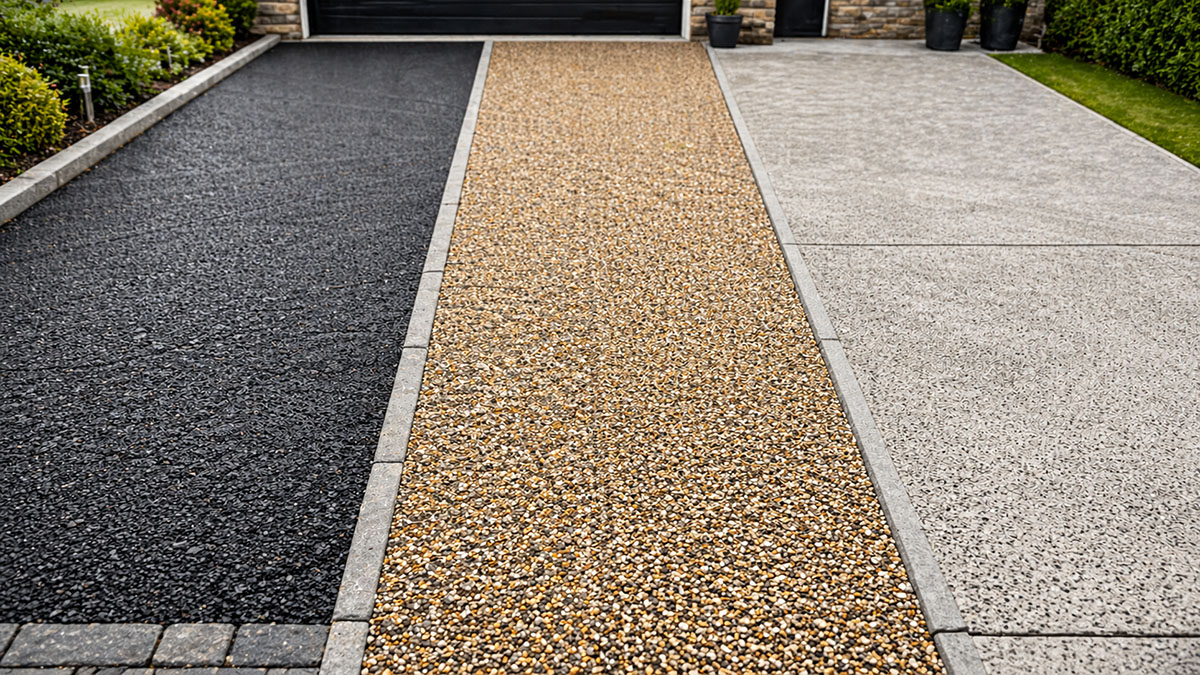
Tarmac offers excellent value for general-purpose applications where cost efficiency and speed of installation are priorities. Resin provides a premium finish with added drainage benefits, making it ideal for residential and high-visibility areas. Concrete delivers strength and longevity for heavy-duty environments where structural performance is critical.
Choosing the right material involves balancing these factors against your specific requirements. In many cases, investing slightly more upfront can reduce maintenance costs and extend the lifespan of the surface.
The Importance of Professional Installation
Regardless of the material chosen, the quality of installation has a direct impact on performance and cost-effectiveness. Poor workmanship can lead to premature failure, increased maintenance, and higher long-term costs.
Working with experienced contractors ensures that every stage of the process, from preparation to finishing, is completed to a high standard. Professional teams understand the importance of correct sub-base construction, proper drainage, and precise material application.
For commercial and large-scale projects, engaging commercial surfacing contractors ensures that the work meets industry standards and is suitable for the intended level of use.
How Site Conditions Affect Material Choice
No two surfacing projects are identical, and site-specific conditions often dictate which material is most appropriate. Factors such as soil type, existing infrastructure, and environmental considerations all play a role.
For example, sites with poor drainage may benefit from permeable solutions like resin, while areas exposed to heavy traffic may require the strength of concrete or reinforced tarmac. Rural or uneven sites may require additional preparation, influencing both cost and material selection.
Understanding these variables helps ensure that the chosen surface performs effectively over time and avoids unnecessary repairs or replacements.
Budgeting for Your Surfacing Project
Accurate budgeting requires more than simply multiplying cost per m² by the total area. A comprehensive assessment should include preparation work, drainage, edging, and any additional features required.
It is also important to consider future maintenance costs. While some materials may have a lower initial cost, they may require more frequent repairs or resurfacing. Others may have a higher upfront cost but offer reduced maintenance over time.
Consulting with experienced professionals allows for a more accurate estimate and ensures that all aspects of the project are taken into account. This approach reduces the risk of unexpected expenses and helps deliver a surface that meets both performance and budget expectations.
Conclusion
Understanding cost per m² for tarmac, resin, and concrete is essential for making informed decisions in road surfacing projects. Each material offers distinct advantages, and the best choice depends on the specific requirements of the site.
Tarmac provides a cost-effective and versatile solution, resin offers aesthetic and drainage benefits, and concrete delivers strength for demanding applications. By considering long-term value, site conditions, and professional installation, property owners and site managers can achieve durable, high-quality results that justify their investment.