From Potholes to Perfection: How Modern Surfacing Is Changing UK Roads
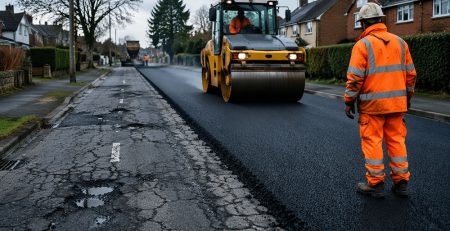
Across the United Kingdom, road surfaces are constantly exposed to pressure from traffic, weather, and time. From rural access lanes to busy commercial routes, deterioration is inevitable without proper construction and maintenance. Potholes, cracks, and uneven surfaces are not just cosmetic concerns; they directly impact safety, accessibility, and long-term repair costs.
Traditional approaches to road maintenance often focused on reactive repairs. When damage appeared, it was patched. While this method may offer short-term relief, it rarely addresses the root causes of deterioration. As a result, many roads fall into a cycle of repeated failure, increasing disruption and expense over time.
Modern surfacing techniques are shifting this approach entirely. Instead of simply reacting to damage, today’s solutions are designed to prevent it, offering longer-lasting, more resilient surfaces that meet the demands of modern use.
Understanding Why Potholes Form
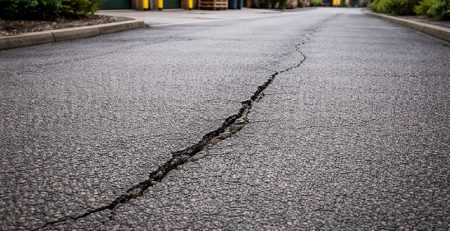
To appreciate how modern surfacing is improving UK roads, it is important to understand how potholes develop in the first place. The process typically begins beneath the surface. Water enters small cracks in the road, often caused by wear or temperature changes. During colder periods, this water expands as it freezes, widening the cracks and weakening the structure.
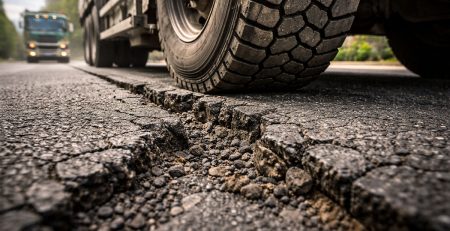
As vehicles pass over these compromised areas, the surface layer begins to break apart. Over time, this leads to the formation of potholes, which can grow rapidly if left untreated. Heavy traffic, poor drainage, and inadequate base preparation all contribute to the speed and severity of this process.
Modern surfacing addresses these underlying issues rather than simply covering the visible damage.
The Shift Towards Preventative Surfacing
One of the most significant changes in the industry is the move from reactive repairs to preventative strategies. Instead of waiting for roads to fail, contractors now focus on building surfaces that resist damage from the outset.
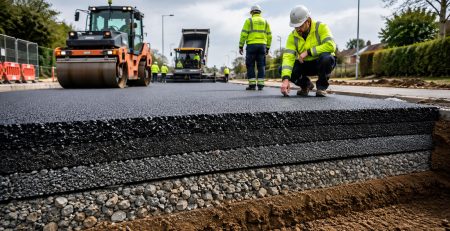
Proper preparation plays a critical role in this. The sub-base must be stable, well-compacted, and capable of supporting expected loads. Without this foundation, even the highest-quality surface material will fail prematurely. This is why professional tarmac installation has become essential for ensuring durability and performance.
Modern surfacing also incorporates improved materials that are more resistant to water penetration and temperature fluctuations. These advancements significantly reduce the likelihood of cracks forming, which in turn prevents potholes from developing.
Advanced Materials Transforming Road Quality
Material innovation has played a major role in the transformation of UK road surfacing. Traditional asphalt and tarmac are still widely used, but they are now enhanced with additives and refined production techniques.
These modern materials are designed to be more flexible, allowing them to expand and contract without cracking under temperature changes. They also offer improved binding properties, which help maintain a strong, cohesive surface even under heavy traffic conditions.
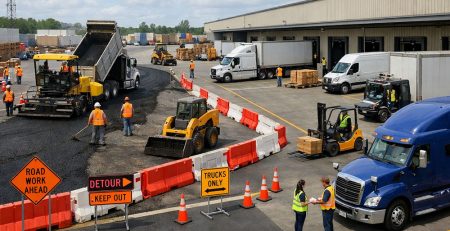
In commercial environments, where vehicles such as delivery lorries and forklifts place significant stress on surfaces, these material improvements are particularly valuable. They ensure that roads remain stable and safe, even under continuous use.
Machine-Laid Surfacing for Precision and Consistency
Another key development in modern road surfacing is the use of machine-laid techniques. Unlike manual application, machine laying ensures an even distribution of materials and consistent compaction across the entire surface.
This level of precision reduces weak points that could otherwise develop into cracks or potholes. It also creates a smoother finish, improving both the appearance and functionality of the road.
Professional machine lay tarmac services are now widely used for commercial sites, housing developments, and public roads. The result is a high-quality surface that not only looks better but also performs more effectively over time.
The Role of Drainage in Modern Surfacing
Water remains one of the most damaging elements for any road surface. Without proper drainage, even the most advanced materials will eventually fail. Modern surfacing projects place a strong emphasis on managing water effectively.
This includes designing surfaces with appropriate gradients to direct water away, as well as installing drainage systems that prevent pooling. By controlling water flow, contractors can significantly reduce the risk of cracks and potholes forming.
In many cases, drainage improvements are integrated into resurfacing projects, ensuring that the new surface is protected from the outset. This holistic approach is a key reason why modern surfacing delivers longer-lasting results.
Efficient Pothole Repair Techniques
While preventative measures are essential, existing potholes still need to be addressed. Modern repair techniques have evolved to provide more durable solutions than traditional patching methods.
Instead of simply filling a hole, professional pothole repairs involve removing damaged material, preparing the base, and applying new surfacing that bonds effectively with the surrounding area. This ensures that the repair integrates seamlessly with the existing road.
These methods not only extend the life of the repair but also improve safety by eliminating uneven surfaces that could pose risks to vehicles and pedestrians.
Benefits for Commercial and Residential Properties
The impact of modern surfacing extends beyond public roads. Commercial property owners and residential developers are increasingly adopting these techniques to improve access routes, car parks, and private roads.
For businesses, a well-maintained surface enhances accessibility for customers and suppliers. It also reduces vehicle wear and minimises liability risks associated with accidents caused by poor road conditions. Engaging experienced commercial surfacing contractors ensures that these areas are built to withstand heavy use while maintaining a professional appearance.
Residential developments also benefit from modern surfacing solutions. Smooth, durable roads contribute to the overall quality of the environment, making properties more attractive and easier to maintain over time.
Long-Term Cost Efficiency
Although modern surfacing methods may involve higher initial investment compared to basic repairs, they offer significant long-term savings. By addressing underlying issues and using durable materials, these solutions reduce the frequency and severity of future repairs.
This approach is particularly valuable for site managers responsible for maintaining large areas. Instead of dealing with ongoing patchwork repairs, they can rely on surfaces that remain in good condition for extended periods.
Over time, this not only lowers maintenance costs but also reduces disruption caused by repeated repair work.
Environmental Considerations in Modern Surfacing
Sustainability is becoming an increasingly important factor in road construction. Modern surfacing techniques often incorporate recycled materials and energy-efficient processes, reducing the environmental impact of projects.
In addition, longer-lasting surfaces mean fewer repairs and less material usage over time. This contributes to a more sustainable approach to infrastructure development, aligning with broader environmental goals across the UK.
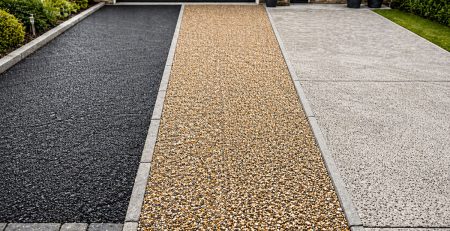
Contractors are also exploring permeable surfacing options, which allow water to pass through the surface and reduce runoff. These innovations further enhance the environmental performance of modern road systems.
The Future of UK Road Surfacing
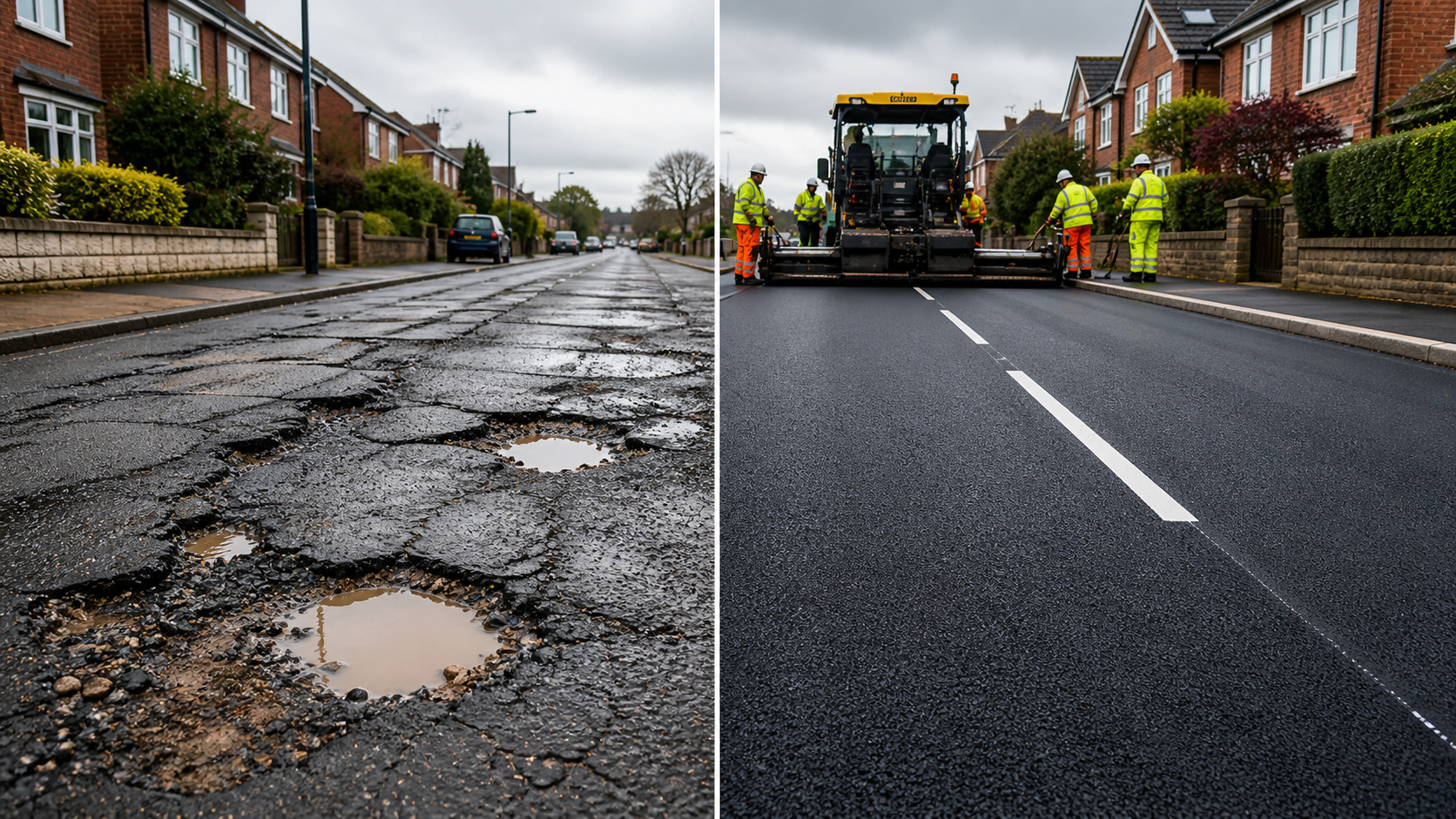
The transition from pothole-prone roads to high-performance surfaces reflects a broader shift in the industry. Advances in materials, technology, and project planning are enabling contractors to deliver results that were not possible in the past.
As these methods continue to evolve, UK roads are likely to become more resilient, safer, and more cost-effective to maintain. For property owners and site managers, this represents a significant opportunity to improve infrastructure while reducing long-term liabilities.
Investing in modern surfacing is no longer just about fixing problems. It is about creating durable, reliable surfaces that support everyday use without constant intervention.