When Is the Best Time for Road Surfacing in the UK?
Choosing the best time road surfacing UK projects should take place is one of the most important decisions a property owner or site manager can make. Timing directly affects surface durability, installation quality, project costs and long-term performance. While road surfacing can technically be carried out throughout much of the year, certain seasons provide significantly better conditions than others.
In the UK, weather patterns play a defining role in how successfully materials such as tarmac and asphalt are laid and compacted. Temperature, moisture levels, daylight hours and ground conditions all influence the final result. Planning works around favourable conditions reduces risk and helps ensure that the surface performs as intended for years to come.
Why Weather Conditions Matter in Road Surfacing
Road surfacing materials rely on specific temperature ranges during installation. Asphalt and tarmac must remain workable long enough to be properly spread, levelled and compacted. If the material cools too quickly due to low air temperatures, it can affect bonding and density, leading to premature wear.
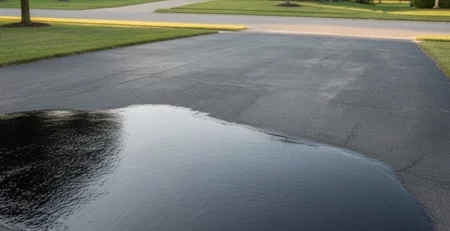
Excess moisture presents another challenge. Rainfall during installation can interfere with compaction and adhesion between layers. Water trapped within a surface structure may later contribute to cracking or pothole formation. Professional contractors offering tarmac installation road surfacing services carefully monitor forecasts to avoid these risks.
Ground conditions are equally important. Sub-base layers must be stable and dry before surfacing begins. Attempting installation over saturated ground can compromise structural integrity and lead to costly remedial works.
Understanding these factors helps explain why some periods of the year are far more suitable than others.
Spring: A Reliable Start to the Surfacing Season
Spring is often considered one of the most practical times for road surfacing in the UK. As temperatures begin to rise and frost becomes less frequent, conditions improve for laying and compacting asphalt materials.
Longer daylight hours allow contractors to work efficiently and complete larger sections in a single shift. This can be particularly beneficial for commercial sites where minimising disruption is a priority. Businesses planning upgrades to access roads or car parks frequently schedule works in spring to prepare for increased summer traffic.
Although spring weather can still be unpredictable, careful planning and flexible scheduling typically allow experienced contractors to manage short periods of rainfall. For many property owners, spring represents a balanced window between winter risk and peak summer demand.
Summer: Optimal Conditions with Strategic Planning
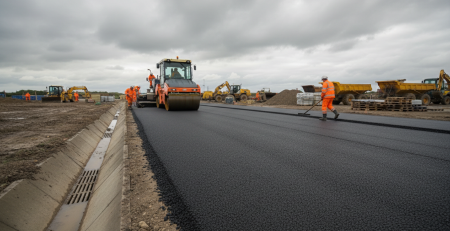
Summer is widely regarded as the best time road surfacing UK projects can achieve optimal results. Warmer ambient temperatures help asphalt remain workable for longer periods, allowing thorough compaction and a smoother finish.
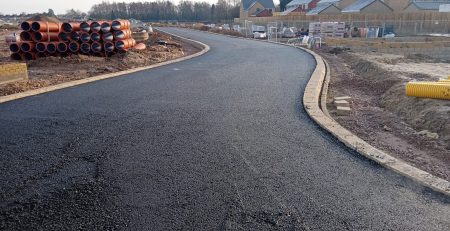
Improved weather stability reduces delays and lowers the likelihood of moisture-related complications. For larger schemes such as those involving highway surfacing or estate roads, summer conditions support consistent productivity and quality control.
However, summer also tends to be the busiest period for surfacing contractors. Demand increases across both domestic and commercial sectors. Site managers should plan well in advance to secure preferred dates, particularly for larger developments or phased works.
Extreme heat is rarely an issue in the UK, but during particularly hot spells contractors may adjust working hours to maintain material performance and workforce safety.
Autumn: A Narrow but Viable Window
Early autumn can still provide suitable conditions for surfacing works. Residual ground warmth from summer supports effective compaction, and rainfall is often manageable during the early part of the season.
For projects that could not be completed during spring or summer, early autumn offers a final opportunity before colder conditions return. This is particularly relevant for commercial properties aiming to address surface deterioration before winter weather accelerates damage.
As the season progresses, however, shorter daylight hours and increased rainfall make scheduling more complex. Close coordination with experienced commercial surfacing contractors becomes essential to avoid incomplete works or weather-related disruption.
Winter: When Surfacing Becomes More Challenging
Winter presents the greatest challenges for road surfacing in the UK. Low temperatures cause asphalt materials to cool rapidly, reducing the window available for proper compaction. Frost can also affect sub-base stability and compromise bonding between layers.
Heavy rainfall and standing water further increase the risk of installation defects. While emergency repairs such as pothole repairs can still be undertaken when necessary, full resurfacing projects are generally postponed unless conditions are favourable.
For property managers, winter is often better suited to planning and budgeting for upcoming works rather than carrying out large-scale installations. Conducting surveys and inspections during this period allows sufficient preparation for spring or summer scheduling.
Factors Beyond Seasonality
Although season plays a significant role, determining the best time road surfacing UK projects should proceed also depends on several practical considerations.
Traffic volume is a major factor. Schools, industrial estates and retail parks may need works timed around holiday periods or quieter trading months. Educational facilities often coordinate improvements with term breaks, working alongside specialists in education surfacing to minimise disruption.
Budget cycles can also influence scheduling decisions. Many organisations allocate infrastructure funds at the start of a financial year, making spring and early summer popular times for project commencement.
Site-specific conditions must be assessed as well. Areas prone to drainage issues may require preparatory works before resurfacing can begin. Ensuring the sub-base and surrounding infrastructure are fit for purpose is just as important as choosing the right month.
Planning Ahead for the Best Results
Forward planning is one of the most effective ways to secure optimal timing. Engaging contractors early allows for site surveys, condition assessments and material selection to be completed well before installation begins.
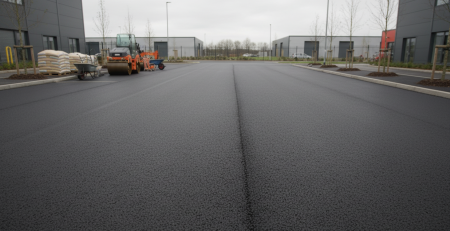
A structured approach typically includes evaluating existing surface wear, identifying drainage concerns and confirming load requirements. Sites exposed to heavy goods vehicles may require reinforced base layers or machine-laid applications. Services such as machine lay tarmac provide consistent thickness and compaction, particularly beneficial during favourable seasonal windows.
By planning months in advance, property owners reduce the likelihood of rushed decisions that could lead to compromised results.
Regional Considerations Across the UK
The UK’s climate varies regionally, and this can influence the best time road surfacing UK projects are undertaken. Southern counties may experience milder winters and longer workable seasons compared to northern or more exposed areas.
Contractors operating across regions such as Bedfordshire, Cambridgeshire, Essex and Hertfordshire understand these local variations and adapt scheduling accordingly. Coastal exposure, soil type and drainage infrastructure all contribute to project planning decisions.
Understanding local weather patterns helps ensure that installation aligns with the most stable and productive periods.
Balancing Urgency and Ideal Conditions
There are situations where resurfacing cannot wait for the ideal season. Structural deterioration, safety hazards or compliance concerns may require prompt action regardless of time of year.
In such cases, experienced contractors implement additional quality control measures to mitigate weather-related risks. This may include adjusting material temperatures, modifying layer thickness or closely monitoring compaction rates.
However, where flexibility exists, aligning works with spring or summer conditions typically offers the greatest long-term value.
Making an Informed Decision
Ultimately, the best time road surfacing UK projects should be carried out depends on a combination of seasonal suitability, site requirements and operational priorities. For most property owners and commercial managers, late spring through early autumn provides the most reliable window for high-quality results.
Careful coordination with experienced professionals ensures that timing, preparation and installation standards align. By considering weather patterns, regional differences and usage demands, decision-makers can protect their investment and achieve durable, compliant surfaces that perform effectively for many years.