The Risks of Delaying Car Park Resurfacing on Retail Sites
Car parks are one of the most heavily used surfaces on any retail site. They form the first impression for customers, influence safety, and play a critical role in daily operations. Despite this, resurfacing is often delayed, either due to budget constraints, operational disruption concerns, or a lack of visible urgency.
However, postponing necessary resurfacing works can lead to far more significant issues over time. What may begin as minor surface wear can quickly develop into structural problems, safety hazards, and increased long-term costs. Understanding these risks is essential for retail property owners and site managers who want to protect both their investment and their customers.
Surface Deterioration Accelerates Over Time
Car park surfaces are constantly exposed to traffic, weather conditions, and environmental stress. Over time, even well-installed surfaces begin to show signs of wear. Small cracks, slight depressions, and surface fading may appear insignificant at first, but these early warning signs indicate that the surface is beginning to deteriorate.
When resurfacing is delayed, these minor defects worsen. Water seeps into cracks, freezes during colder months, and expands, causing further damage. Repeated vehicle movements increase stress on weakened areas, leading to potholes and uneven surfaces. Without timely intervention, the rate of deterioration accelerates, turning manageable repairs into more complex resurfacing requirements.
Professional tarmac installation ensures a durable and resilient surface, but even the best installations require maintenance and timely renewal to remain effective.
Increased Safety Risks for Customers and Staff
Safety is a primary concern for any retail environment, and the condition of a car park directly affects it. Uneven surfaces, potholes, and loose materials create trip hazards for pedestrians and increase the risk of vehicle damage.
When resurfacing is delayed, these risks become more pronounced. Customers navigating the car park may encounter unstable footing, particularly in wet or icy conditions. Vehicles may suffer tyre or suspension damage when driving over deteriorated areas, leading to complaints and potential liability issues.
Retail sites have a duty of care to provide a safe environment. Failing to address surface issues in a timely manner can result in accidents that could have been prevented with proper maintenance and resurfacing.
Damage to Brand Image and Customer Experience
The appearance of a car park plays a significant role in shaping customer perception. A well-maintained, smooth surface reflects professionalism and attention to detail, while a worn and damaged car park can give the impression of neglect.
Retail environments rely heavily on customer experience. If visitors encounter potholes, faded markings, or standing water upon arrival, it can negatively influence their overall impression of the site. This may not only affect repeat visits but also impact the reputation of the businesses operating within the premises.
Delaying resurfacing allows visible damage to worsen, making it increasingly difficult to maintain a professional appearance. Investing in timely resurfacing helps preserve the visual appeal of the site and supports a positive customer experience.
Higher Long-Term Costs
One of the most significant risks of delaying car park resurfacing is the financial impact. While postponing works may seem like a cost-saving measure in the short term, it often leads to higher expenses over time.
Minor surface defects can typically be addressed with targeted repairs. However, when these issues are left unresolved, they develop into more extensive damage that requires full resurfacing or even reconstruction of the underlying layers. This increases both material and labour costs.
In addition, ongoing reactive repairs can become more expensive than planned resurfacing. Repeated patching not only adds up financially but also results in an inconsistent surface that may still require full replacement later.
Working with experienced commercial surfacing contractors allows for proactive planning, helping site managers control costs and avoid unexpected expenditure.
Drainage Problems and Water Damage
Effective drainage is essential for maintaining the integrity of a car park surface. When surfaces begin to deteriorate, drainage can be compromised. Cracks and depressions allow water to accumulate, leading to standing water and increased surface wear.
Delaying resurfacing exacerbates these issues. Water infiltration weakens the sub-base, reducing the structural strength of the surface. Over time, this can lead to widespread failure, requiring more extensive and costly repairs.
Standing water also presents additional safety concerns, including increased slip risk for pedestrians and reduced visibility for drivers. Addressing surface issues early helps maintain proper drainage and prevents long-term damage.
Disruption Becomes More Severe Over Time
Retail sites often delay resurfacing due to concerns about disruption to business operations. While this is understandable, postponing work can result in even greater disruption later.
When damage becomes extensive, resurfacing projects take longer to complete and may require larger sections of the car park to be closed. This can significantly impact customer access and site functionality.
By contrast, planned resurfacing carried out at the right time can be scheduled in phases, minimising disruption and maintaining operational continuity. Early intervention allows for more flexible planning and less intrusive works.
Compliance and Liability Considerations
Retail site owners and managers must ensure that their premises meet health and safety standards. A poorly maintained car park may fall short of these requirements, increasing the risk of non-compliance.
Delaying resurfacing can lead to situations where the surface condition poses a clear hazard. In such cases, liability becomes a serious concern. Accidents resulting from neglected surfaces may lead to claims, investigations, and reputational damage.
Regular inspections and timely resurfacing help ensure compliance with safety standards and reduce the risk of legal issues. Maintaining a safe environment is not only a regulatory requirement but also a fundamental aspect of responsible site management.
Impact on Line Markings and Traffic Flow
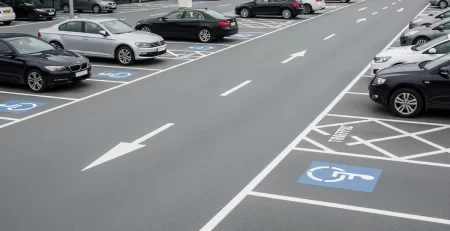
Clear line markings are essential for efficient traffic management within a car park. They guide vehicle movement, define parking spaces, and support accessibility requirements.
As surfaces deteriorate, line markings fade and become less visible. Cracks and uneven areas further reduce their effectiveness, leading to confusion and inefficient use of space.
Delaying resurfacing means these issues persist and worsen. Poorly defined parking areas can result in disorganised parking, reduced capacity, and increased risk of minor collisions.
Resurfacing provides an opportunity to restore and improve line markings, enhancing both safety and usability.
Environmental and Structural Consequences
Surface deterioration does not only affect the visible layer. Over time, underlying structural components can also be compromised. Water ingress, repeated loading, and material breakdown all contribute to deeper issues within the pavement structure.
Delaying resurfacing allows these problems to develop unchecked. Eventually, the damage may extend beyond the surface, requiring full-depth reconstruction rather than simple resurfacing.
From an environmental perspective, repeated patch repairs and premature reconstruction can lead to increased material usage and waste. Timely resurfacing supports more sustainable maintenance practices by extending the life of existing infrastructure.
The Value of Proactive Maintenance
A proactive approach to car park maintenance is essential for avoiding the risks associated with delayed resurfacing. Regular inspections help identify early signs of wear, allowing for timely intervention.
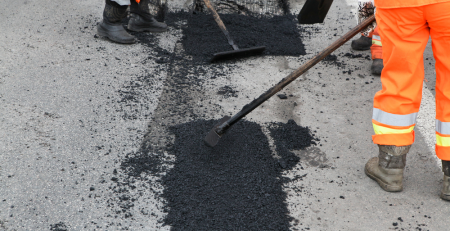
Working with experienced contractors ensures that surfaces are assessed accurately and maintained effectively. Services such as pothole repairs can address minor issues before they escalate, while planned resurfacing ensures long-term performance.
Proactive maintenance not only protects the surface but also supports safety, cost control, and operational efficiency.
Conclusion
Delaying car park resurfacing on retail sites may seem like a practical decision in the short term, but it carries significant risks. From accelerated deterioration and safety hazards to increased costs and operational disruption, the consequences of inaction can be substantial.
Retail property owners and site managers must recognise the importance of timely resurfacing as part of a broader maintenance strategy. By addressing surface issues early and working with professional contractors, it is possible to maintain safe, functional, and visually appealing car parks that support both business operations and customer experience.