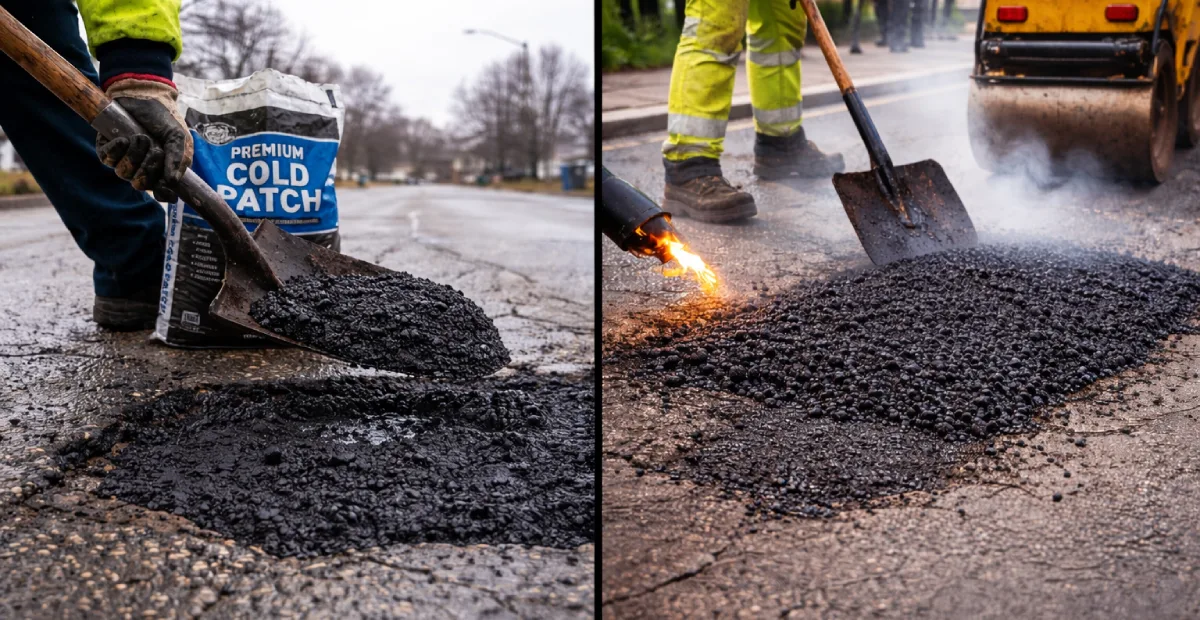
Cold Patch VS Hot Tarmac Pothole Repair in the UK: Choosing The Right Method
Potholes plague UK roads, car parks, and driveways, causing vehicle damage, safety risks, and costly disruptions to businesses. Cold patch offers quick fixes but often fails under traffic, while hot tarmac delivers lasting strength through proper compaction and bonding.
With decades of experience, Total Surfacing Solutions Ltd cuts through the confusion, providing expert pothole repair services, machine lay tarmac services, and resin bound surfacing services tailored for Essex and Hertfordshire.
This guide compares cold patch vs hot tarmac pothole repair in the UK, reveals when each excels, and funnels you to proven commercial surfacing road surfacing services for durable results.
Understanding Cold Patch Pothole Repair Solutions
Cold patch products are designed for speed, simplicity, and flexibility, especially when weather or access constraints make hot work impractical. They are widely used by local authorities, facility managers and DIY users in the UK for short-notice pothole repairs.
- Material
- Pre-mixed asphalt in bags or bulk.
- Often polymers are modified for better workability in cold weather.
- Can be stored and used as needed.
- Installation process
- Clean out loose debris and water as far as practical.
- Pour the cold patch into the hole in layers.
- Compact each layer using a hand tamper or small plate compactor.
- Advantages
- Fast to mobilise and install with minimal equipment.
- Works for smaller teams where machine lay tarmac services are not viable.
- Ideal for pothole repair services that need to keep networks safe between larger planned works.
- Limitations
- Joints are more prone to water ingress, especially in freeze-thaw cycles.
- Performance under heavy goods traffic is limited compared with hot tarmac.
- Often requires rework, increasing long-term maintenance spend.
For private driveways and small car parks, cold patch can stabilise hazards quickly until a full tarmac installation or resin bound surfacing services are scheduled.
Understanding Hot Tarmac Pothole Repair Solutions
Hot tarmac repairs focus on bond strength, compaction and structural performance. They are the standard for durable pothole repairs on UK roads and high-traffic commercial surfaces.
- Material and plant
- Hot mix asphalt is produced at a dedicated plant.
- Delivered at the correct temperature for workability and compaction.
- Often matched to the existing road surfacing specification for texture and performance.
- Installation process
- Cut neat, vertical edges around the pothole to sound material.
- Excavate damaged asphalt and a weak base.
- Apply tack coat to help the new material bond.
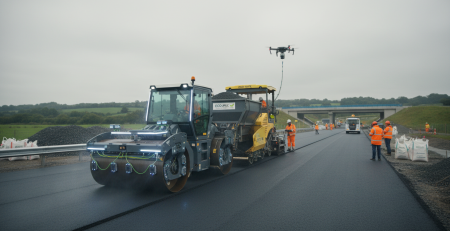
- Place hot tarmac, often using machine lay tarmac on larger patches.
- Compact with rollers or plate compactors to achieve density and a smooth profile.
- Advantages
- Longer-lasting pothole repair with better resistance to water and traffic loads.
- Smoother ride quality and better skid resistance when the correct mix is used.
- Lower long-term disruption for businesses and road users.
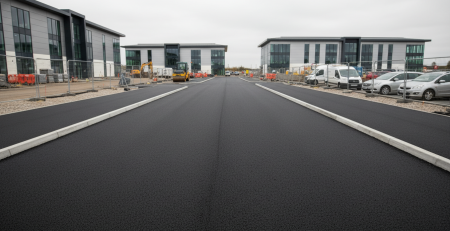
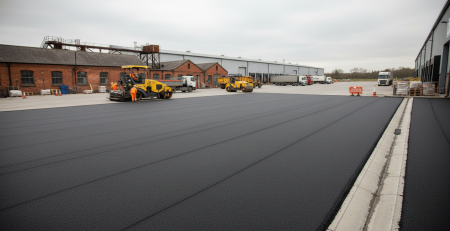
Professional commercial surfacing road surfacing services in the UK heavily rely on hot mix and machine lay tarmac services for large car parks, access roads and industrial yards.
Cold Patch vs Hot Tarmac Pothole Repair in the UK
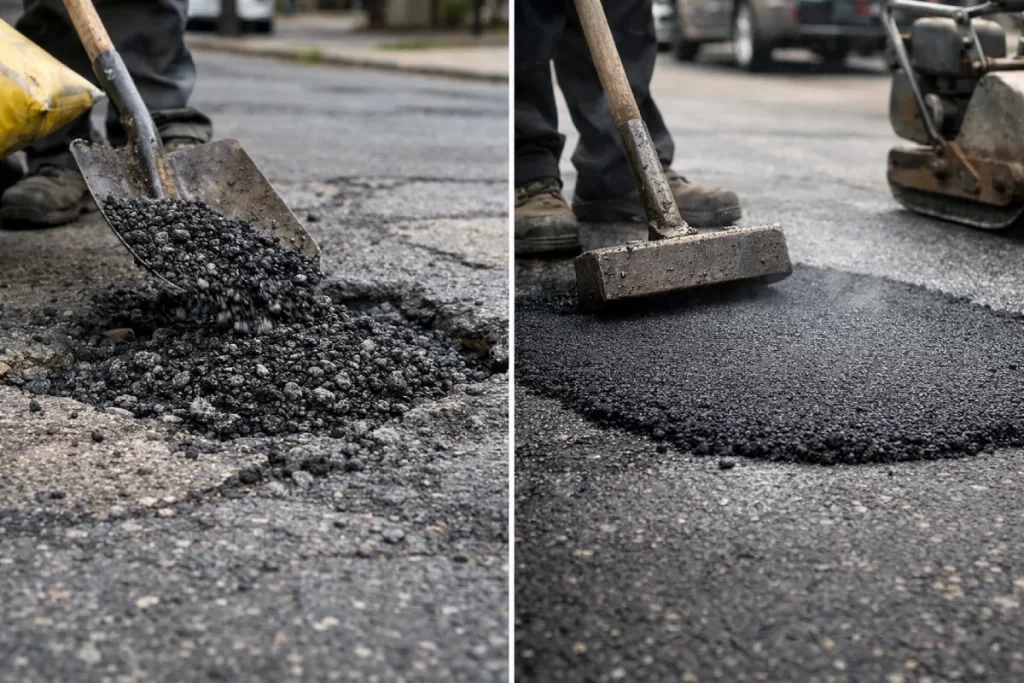
Deciding between cold patch and hot tarmac is really choosing between speed and convenience versus durability and lifecycle value. Both methods have a place in UK highways, car parks and commercial yards when used strategically.
Performance and durability
- Hot tarmac forms a denser, more cohesive layer that resists rutting, ravelling and water ingress.
- Cold patch behaves more like a gap filler and can loosen under repeated wheel loads.
- For busy routes, machine lay tarmac services in Essex, or machine lay tarmac services in Hertfordshire will typically outperform hand-applied cold patch over time.
Weather and programming
- Cold patch is less sensitive to weather, allowing pothole repairs during colder or damp conditions when hot work is impractical.
- Hot tarmac requires tighter weather windows and more planning, but repays that effort with longer life.
- For winter safety management, a combined approach often works best.
Cost and whole life thinking
- Cold patch wins on initial call-out cost, lower mobilisation and simple equipment.
- Hot tarmac wins on whole life cost, particularly where potholes reappear in the same locations.
- Factoring in vehicle damage, downtime and reputation, many UK operators see better value with planned hot tarmac repairs as soon as weather and budgets allow.
For most busy UK commercial sites, hot tarmac and machine lay tarmac services produce the most durable and cost efficient pothole repairs, while cold patch sits best as a temporary or emergency option.
Quick Comparison Table:
| Factor | Cold patch pothole repair | Hot tarmac pothole repair |
| Typical use case | Emergency, temporary fix | Planned, permanent fix |
| Installation temperature | Works in colder, damp UK weather if surface is prepared | Needs dry, suitable weather window |
| Traffic tolerance | Light to moderate traffic | Heavy traffic, HGV routes |
| Lifespan | Short to medium term | Long term if base is sound |
| Equipment needed | Minimal hand tools | Paver, roller, cutters |
| Upfront cost per visit | Lower | Higher |
| Whole life cost | Higher due to repeat visits | Lower over asset life |
When Cold Patch Repairs Make Practical Sense?
A cold patch is not a poor solution by default. It is a specialist tool for specific situations where speed and access matter more than long term performance.
Cold patch makes practical sense when:
- You need immediate hazard removal on busy sites and cannot close the area for long.
- Conditions are too cold, wet or unpredictable for hot tarmac.
- The pothole sits in a low to moderate traffic area or within a private driveways surfacing context.
- You plan a future resurfacing scheme, so a long-term fix now would not be cost-effective.
For facilities using driveways surfacing services in Essex or driveways surfacing services in Hertfordshire, cold patch can stabilise defects before a full resin bound surfacing or hot tarmac programme is mobilised.
When are Hot Tarmac Repairs the Best Choice?
Hot tarmac becomes the default choice whenever durability, compliance and lifecycle cost matter. This is especially true for commercial, industrial and public sector sites.
Hot tarmac is usually the best choice when:
- Potholes occur on heavy traffic access roads, loading yards or bus routes.
- You need a long term repair to protect budgets and reputation.
- There is repeated failure of previous cold patch repairs at the same location.
- Surface evenness, drainage and skid resistance are critical.
Using machine lay tarmac services for larger patches and schemes ensures:
- Consistent layer thickness and density across the repair.
- Better tie in to surrounding road surfacing and adjacent patches.
- Faster delivery of larger areas with less disruption for occupants and road users.
Why Choose Total Surfacing Solutions Ltd for Commercial Services?
Once the method is clear, the next step is choosing a specialist contractor with experience across UK conditions and surface types. This is where Total Surfacing Solutions Ltd stands out.
Total Surfacing Solutions Ltd provides:
- Commercial surfacing road surfacing services using both hot tarmac and alternative systems.
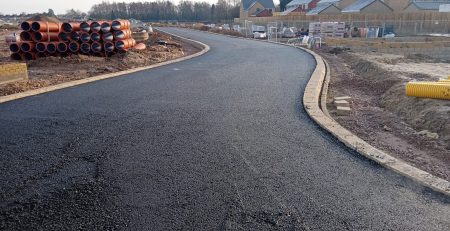
- Tarmac installation road surfacing services for car parks, estate roads and industrial yards.
- Machine lay tarmac services from experienced, fully equipped crews.
- Dedicated pothole repairs services for rapid response and planned schemes.
Alongside tarmac, the company also delivers resin bound surfacing services, supporting clients who need premium finish driveways surfacing services in Essex and driveways surfacing services in Hertfordshire.
Areas We Cover Across the UK
Service reach is a crucial part of choosing a long-term surfacing partner. Your goal is to work with a team that can support multiple properties and portfolios without compromising response times.
Total Surfacing Solutions Ltd provides:
- Resin bound driveways services in Essex and resin bound driveways services in Hertfordshire.
- Pothole repairs in Essex and pothole repairs services in Hertfordshire for councils, schools and private estates.
- Machine lay tarmac services in Essex and machine lay tarmac services in Hertfordshire for new build and refurbishment projects.
Beyond this core, the team can discuss areas we cover for wider UK locations, tailoring road surfacing services and tarmac installation to your asset strategy.
Frequently asked questions
1. How long should a hot tarmac pothole repair last on a busy UK road
With proper base preparation, compaction and drainage, a hot tarmac pothole repair on a busy UK route can last several years before distress reappears. Actual life depends on traffic loading, existing pavement condition and maintenance.
2. Are cold patch pothole repairs acceptable for council roads
Cold patch is generally viewed as a temporary safety treatment for council roads rather than a permanent solution. Many authorities use it to remove immediate hazards and then programme a hot tarmac or resurfacing scheme later.
3. Why do potholes come back after being patched
Most recurring potholes result from insufficient cutting back, poor compaction or water trapped in the underlying layers. If only the visible hole is filled without addressing the structural weakness, the defect usually returns around the patch.
4. Is resin bound surfacing suitable over old tarmac with potholes
Yes, but only after defects are properly repaired and the base is structurally sound. Professional resin bound surfacing services will specify base remedial works before installing a resin bound system.
5. How do I decide between resurfacing and repeated pothole repairs
If potholes keep appearing across a wider area, it usually indicates end of life surfacing rather than isolated failures. In this case, planned resurfacing or upgrading to resin bound or machine lay tarmac is generally more cost effective than repeated patching.
Experience Long-Term Pothole Strategy from Local Professionals
Cold patch suits emergencies, but hot tarmac and machine lay tarmac services deliver superior durability for high-traffic UK sites. Repeated patching signals the need for full tarmac installation or resin bound driveways services in Essex and Hertfordshire.
Total Surfacing Solutions Ltd covers your area with expert commercial surfacing and road surfacing services. You can also explore grey resin driveways, resin driveways or coloured resin driveways for premium finishes via our services.
Contact us today for pothole repair services in Hertfordshire or road surfacing contractors in Essex. Transform hazards into reliable surfaces that enhance safety, reduce costs ,and boost property value. Book your consultation now.