How Long Does Road Surfacing Last in the UK Climate?
When investing in a new road surface, one of the first questions property owners and site managers ask is how long it will last. The road surfacing lifespan UK conditions allow is influenced by a combination of climate, construction quality, traffic use, and ongoing maintenance. Unlike warmer or more stable climates, the UK presents unique challenges due to frequent rainfall, temperature fluctuations, and seasonal wear. These factors mean that road surfacing must be designed and installed with durability in mind to achieve its expected service life.
Road surfacing is not a one-size-fits-all solution. A lightly trafficked residential access road will experience very different stresses compared to a commercial yard or industrial estate. Understanding how long different surfaces typically last, and what shortens or extends that lifespan, allows for better planning and more cost-effective long-term management.
Average Lifespan of Common Road Surfacing Materials
Tarmac and Asphalt Surfaces
Tarmac and asphalt remain the most widely used materials for road surfacing across the UK due to their balance of strength, flexibility, and cost. Under typical UK conditions, a professionally installed tarmac surface can last between fifteen and twenty years. In some cases, surfaces exceed this range when installation standards are high and traffic levels are moderate.
The key advantage of tarmac in the UK climate is its flexibility. Temperature changes cause expansion and contraction, and tarmac is better suited to accommodate this movement than more rigid materials. When laid correctly with a solid foundation, tarmac resists cracking caused by frost and water ingress more effectively than many alternatives. High-quality tarmac installation plays a significant role in achieving the upper end of the expected lifespan.
Concrete Road Surfacing
Concrete road surfaces tend to have a longer theoretical lifespan, often exceeding twenty-five years. However, they are less commonly used for general access roads and commercial sites due to higher upfront costs and reduced flexibility. In the UK climate, concrete can be vulnerable to cracking if water penetrates the surface and freezes. Once cracks develop, repairs are often more disruptive and costly than with asphalt-based surfaces.
For sites where heavy static loads are present and movement is minimal, concrete can be a viable long-term option. However, for most property owners seeking predictable performance in variable weather, asphalt-based surfacing remains the preferred choice.
How the UK Climate Affects Road Surfacing Durability
Rainfall and Water Ingress
Rainfall is one of the most significant factors affecting road surfacing lifespan UK-wide. Persistent moisture can penetrate small surface imperfections and reach the sub-base. Over time, this weakens the structure and leads to surface deformation, cracking, or pothole formation.
Proper drainage design is essential to manage water effectively. Without adequate drainage, even a well-laid surface can deteriorate prematurely. Standing water accelerates wear, particularly in areas subject to frequent traffic or braking.
Freeze-Thaw Cycles
Although the UK does not experience extreme winter temperatures, freeze-thaw cycles are common. Water that enters surface cracks expands when frozen, gradually forcing the surface apart. Repeated cycles throughout winter months can significantly reduce the lifespan of poorly maintained or poorly installed road surfaces.
Surfaces laid with appropriate materials, correct compaction, and proper edge detailing are far more resistant to this type of damage. This is why professional installation and seasonal inspections are so important in extending surface life.
Summer Heat and UV Exposure
While colder conditions often receive more attention, summer heat also affects road surfacing. Prolonged exposure to sunlight can oxidise bitumen binders in tarmac, making the surface more brittle over time. This reduces flexibility and increases the risk of cracking.
Modern surfacing materials are designed to withstand these conditions, but lower-quality installations may show signs of ageing sooner. Regular maintenance helps counteract these effects and preserve surface integrity.
The Role of Traffic and Usage Levels
Light Residential Use
Road surfaces serving private estates or residential developments typically experience lower traffic volumes and lighter loads. Under these conditions, a well-installed surface can comfortably achieve or exceed the expected lifespan. Wear tends to be gradual and predictable, allowing for planned maintenance rather than reactive repairs.
Commercial and Industrial Traffic
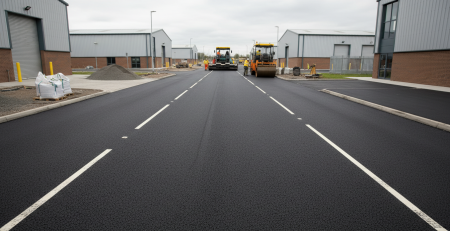
Commercial access roads, loading areas, and industrial yards place far greater stress on road surfaces. Frequent use by heavy vehicles, turning movements, and braking all accelerate wear. In these environments, the road surfacing lifespan UK property managers can expect is often closer to ten to fifteen years without significant intervention.
This does not indicate poor performance, but rather reflects the intensity of use. Surfaces designed and constructed by experienced commercial surfacing contractors are better equipped to handle these demands and deliver reliable long-term performance.
Installation Quality and Its Impact on Lifespan
Importance of Ground Preparation
The foundation beneath the surface is just as important as the material on top. Inadequate ground preparation leads to uneven settlement, which manifests as cracks, dips, or surface failure. Even the best surfacing materials cannot compensate for a poorly constructed sub-base.
Professional contractors assess ground conditions, drainage requirements, and load expectations before installation begins. This ensures the structure can support the intended use throughout its lifespan.
Machine-Laid vs Hand-Laid Surfacing
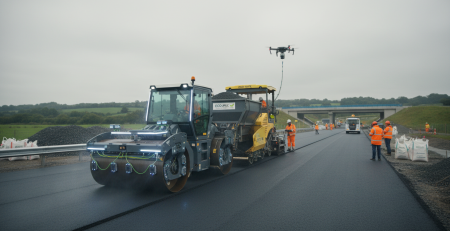
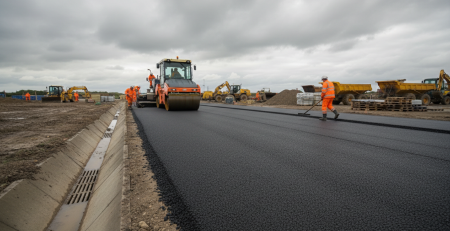
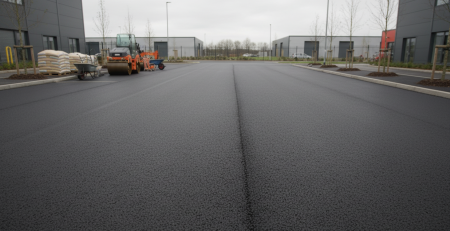
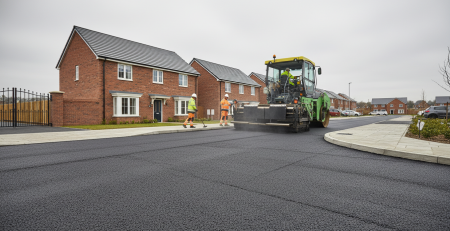
Machine-laid surfacing provides a more consistent depth, compaction, and finish than hand-laid alternatives. This consistency improves durability and reduces the likelihood of premature failure. High-traffic areas in particular benefit from machine-laid methods, as uniform compaction is critical to long-term performance.
Investing in machine-laid tarmac often results in a longer service life and reduced maintenance costs over time.
Maintenance and Its Effect on Road Surfacing Lifespan
Early Intervention and Repairs
Small defects rarely remain small for long. Minor cracks or surface wear allow water ingress, which accelerates deterioration. Addressing issues early through targeted repairs can add several years to the life of a road surface.
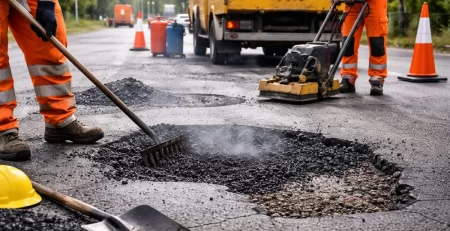
Timely pothole repairs and surface patching prevent more extensive damage and reduce overall maintenance expenditure. Regular inspections are particularly important after winter, when freeze-thaw cycles may have caused hidden damage.
Ongoing Surface Care
Routine maintenance such as cleaning debris, ensuring drainage channels remain clear, and monitoring high-stress areas contributes significantly to surface longevity. These measures are often overlooked but play a key role in protecting the structural layers beneath the surface.
A proactive approach allows property owners to plan resurfacing works strategically rather than responding to unexpected failures.
Signs That a Surface Is Nearing the End of Its Lifespan
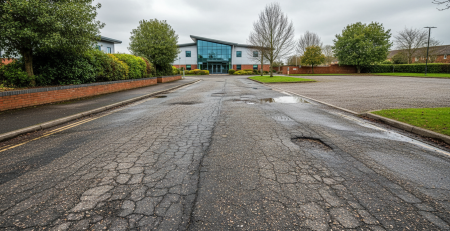
As a road surface approaches the end of its service life, certain signs become more apparent. Widespread cracking, persistent standing water, surface deformation, and frequent pothole formation indicate that repairs may no longer be sufficient. In these cases, resurfacing offers better value and improved performance compared to repeated patching.
Understanding these indicators helps property managers make informed decisions and budget effectively for future works.
Planning for Long-Term Performance
The road surfacing lifespan UK sites achieve depends on a combination of informed material choice, professional installation, and ongoing care. While no surface lasts indefinitely, realistic expectations and proper management ensure maximum return on investment.
Engaging experienced contractors who understand local conditions, traffic demands, and regulatory requirements provides confidence that a surface will perform as intended. Reviewing completed projects and learning from real-world outcomes through detailed case studies can also help guide decision-making for future surfacing works.