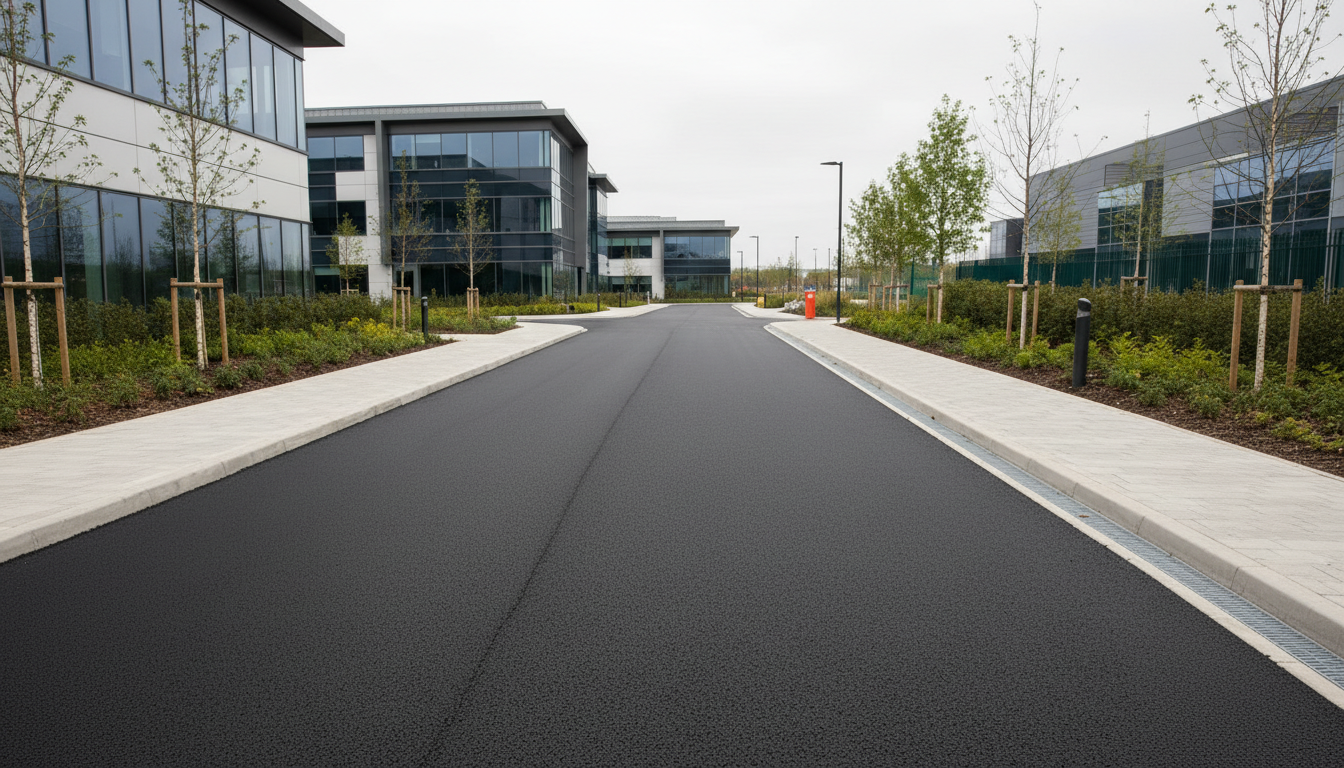
How Professional Surfacing Improves Property Value
For property owners and site managers, external surfaces are often one of the most overlooked assets. Roads, access routes, car parks, and circulation areas are typically judged on function alone, yet they play a significant role in how a site is perceived, used, and valued. In the UK, where weather conditions and usage demands are varied, professional surfacing directly influences long-term asset performance and overall property value.
Road surfacing affects property value in both visible and less obvious ways. A well-constructed surface improves first impressions, supports safe vehicle and pedestrian movement, and reduces ongoing maintenance costs. Conversely, poorly installed or deteriorating surfaces can detract from a site’s appearance, create liability concerns, and signal neglect to prospective buyers, tenants, or inspectors.
First Impressions and Visual Appeal
The Role of External Surfaces in Site Presentation
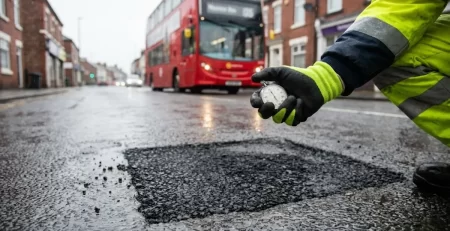
The approach to a property sets expectations before anyone steps inside. Access roads, parking areas, and internal routes are among the first elements people encounter. Smooth, well-laid surfaces suggest care, professionalism, and investment, while uneven or patched areas often imply deferred maintenance.
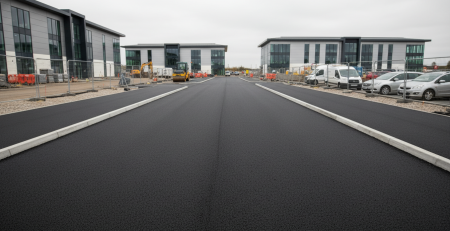
In commercial environments, this perception can influence how a business is viewed by clients and partners. For residential developments or managed estates, it affects buyer confidence and perceived desirability. Professional road surfacing ensures consistent levels, clean edges, and a uniform finish that complements surrounding structures rather than distracting from them.
Consistency Across the Entire Site
Property value is rarely determined by one single feature. Instead, it is the cumulative impression created by multiple elements working together. When surfacing is installed or upgraded professionally, it aligns with drainage systems, kerbs, and boundary treatments. This cohesion creates a sense of order that is difficult to achieve through piecemeal repairs.
High-quality surfacing delivered by experienced commercial surfacing contractors helps ensure that large sites maintain a consistent standard across all traffic areas, reinforcing the overall quality of the property.
Safety, Compliance, and Risk Reduction
Reducing Hazards Through Proper Installation
Safety has a direct relationship with property value, particularly for commercial and multi-use sites. Uneven surfaces, cracking, standing water, and poorly defined edges all increase the risk of accidents. These issues can lead to claims, enforcement action, or reputational damage, all of which negatively affect asset value.
Professional surfacing addresses these risks at the construction stage. Correct ground preparation, appropriate material selection, and accurate laying techniques create surfaces that support predictable vehicle behaviour and safe pedestrian movement. Clear falls and drainage routes prevent water accumulation, reducing slip risks during wet or icy conditions.
Meeting UK Standards and Expectations
In the UK, road and access surfacing must meet specific performance and safety expectations, particularly for public-facing or commercial properties. While regulations vary depending on use, professionally installed surfaces are far more likely to meet current standards without requiring remedial work.
For sites such as schools, retail premises, or managed housing, compliant surfacing demonstrates due diligence. This reassurance can be a deciding factor during valuations, inspections, or lease negotiations, where future liability is considered alongside current condition.
Long-Term Durability and Reduced Maintenance Costs
The Cost Implications of Poor Surfacing
From a valuation perspective, future expenditure matters as much as present condition. Surfaces that fail prematurely often require repeated patching, temporary repairs, or early replacement. These costs are factored into property appraisals and can reduce overall value.
Professional road surfacing is designed with longevity in mind. Proper compaction, correct material depth, and suitable surface finishes all contribute to extended service life. When surfaces perform as expected, maintenance cycles are predictable and manageable rather than reactive.
Planned Maintenance as a Value Asset
Well-constructed surfaces allow property owners to plan maintenance rather than respond to failures. This predictability is particularly attractive to investors and long-term occupiers, who value certainty in operating costs. Over time, the reduced need for disruptive repairs also helps maintain site usability, which is essential for properties that rely on continuous access.
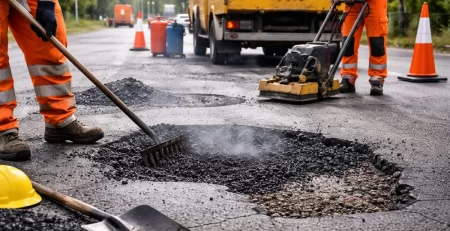
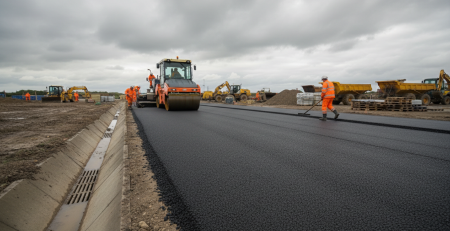
Surfaces installed using professional methods such as machine laid tarmac often deliver superior consistency and compaction, further enhancing durability and long-term value.
Functionality and Everyday Usability
Supporting Traffic Flow and Access
Property value is closely tied to how effectively a site functions. Poorly designed or degraded road surfaces can restrict access, cause vehicle damage, or lead to congestion within a site. These issues are particularly problematic for commercial premises where deliveries, staff access, and customer parking are essential.
Professional surfacing considers traffic types, load requirements, and usage patterns. By matching construction methods to site demands, access roads and car parks support smooth movement and reduce wear. This functionality directly supports the operational success of the property, which in turn influences its market value.
Accessibility for All Users
Modern property expectations include accessibility for all users, including pedestrians, wheelchair users, and those with limited mobility. Even surfaces, appropriate gradients, and well-defined transitions are critical to meeting these expectations.
When road surfacing integrates seamlessly with footpaths and entrances, it improves inclusivity and usability. Properties that demonstrate thoughtful access design are often viewed more favourably during assessments and valuations.
Drainage and Weather Resilience
Managing the UK Climate Effectively
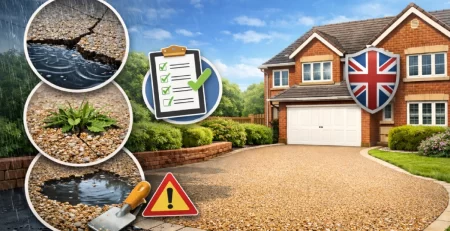
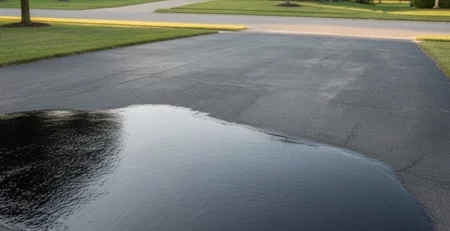
UK weather places significant stress on external surfaces. Frequent rainfall, freeze-thaw cycles, and temperature fluctuations can quickly expose weaknesses in poorly constructed roads. Standing water not only damages surfaces but also creates safety hazards and accelerates deterioration.
Professional surfacing incorporates drainage planning from the outset. Correct falls, integration with existing systems, and appropriate surface materials help manage water effectively. Over time, this resilience reduces visible wear and preserves the surface’s appearance and performance.
Preventing Structural Damage
Water ingress is one of the most common causes of surface failure. Once water penetrates the surface layers, it undermines the structure beneath, leading to cracking and deformation. Addressing these issues later is costly and disruptive.
High-quality road surfacing minimises this risk, protecting the underlying structure and preserving the asset. From a valuation standpoint, this protection reduces the likelihood of unexpected capital expenditure.
Enhancing Marketability and Buyer Confidence
Demonstrating Investment and Care
When a property is brought to market, prospective buyers and tenants assess not only current condition but also how well the site has been managed. Professionally surfaced roads signal proactive maintenance and responsible ownership.
This impression is particularly important for larger sites, where the cost and complexity of future surfacing works may concern buyers. Clear evidence of quality installation reduces perceived risk and can support stronger offers.
Supporting Professional Valuations
Surveyors and valuers consider external infrastructure as part of their overall assessment. Roads and access areas in good condition reduce the number of caveats and recommendations in reports. This clarity can simplify transactions and strengthen negotiating positions.
Properties with professionally installed surfaces are also more likely to pass inspections without requiring immediate remedial works, preserving value during sales or refinancing.
Residential and Commercial Value Considerations
Residential Developments and Managed Estates
In residential settings, road surfacing influences kerb appeal and everyday living standards. Smooth, quiet surfaces contribute to a sense of quality and permanence. For developers and estate managers, this perception supports property prices and long-term desirability.
Professional surfacing carried out by experienced domestic contractors ensures that estate roads meet both aesthetic and functional requirements, benefiting residents and owners alike.
Commercial and Industrial Sites
For commercial properties, surfacing is closely linked to operational efficiency. Loading areas, access routes, and staff parking must perform reliably under regular use. Any disruption caused by surface failure can affect productivity and income.
Investing in professional road surfacing protects these critical areas, supporting consistent operations and reinforcing the property’s value as a working asset.
The Importance of Professional Expertise
Why Installation Quality Matters
Materials alone do not determine surface performance. Installation quality is equally, if not more, important. Professional contractors understand ground conditions, load requirements, and appropriate construction methods for different environments.
By engaging specialists in tarmac installation and road surfacing services, property owners ensure that surfaces are built to perform as intended, safeguarding both appearance and value.
Long-Term Benefits Over Short-Term Savings
While professional surfacing may involve higher upfront costs than temporary or low-quality alternatives, the long-term benefits are substantial. Reduced maintenance, improved safety, and enhanced market perception all contribute to stronger property value over time.
For owners focused on protecting and improving their assets, professional road surfacing represents a practical, measurable investment rather than a cosmetic upgrade.
Conclusion
Road surfacing plays a far greater role in property value than many owners realise. Beyond appearance, it influences safety, usability, maintenance costs, and buyer confidence. In the UK context, where climate and usage place significant demands on external surfaces, professional installation is essential for long-term performance.
By investing in high-quality road surfacing, property owners and site managers protect their assets, support daily operations, and enhance overall value. Over time, this approach delivers benefits that extend well beyond the surface itself.