How Traffic Load Affects Road Surfacing Durability
Roads, access routes, and commercial yards are constantly exposed to varying levels of vehicle activity. In areas where large numbers of vehicles pass through daily, the stress placed on the surface is significantly greater than on residential or light-use roads. This is why heavy traffic road surfacing UK projects require specialised planning, stronger materials, and precise installation techniques.
When a surface is designed without considering the type and frequency of vehicles using it, deterioration can occur much sooner than expected. Heavy vehicles such as delivery lorries, buses, construction machinery, and waste collection trucks place immense pressure on road structures. Over time, this repeated loading can compress the surface layers, weaken the sub-base, and lead to structural problems.
Professional contractors approach high-traffic areas with a deeper understanding of load distribution and long-term durability. The aim is to create a surface capable of supporting thousands of vehicle movements without premature failure.
Understanding Traffic Categories and Surface Stress
Not all roads experience the same level of demand. Some areas may only see light domestic traffic, while others are designed to handle continuous commercial or industrial vehicle activity. The difference between these categories directly affects how road surfacing should be constructed.
Light traffic areas generally include residential drive roads, small estate access routes, and private property entrances. These locations usually experience lower weight loads and less frequent vehicle movement. As a result, standard surfacing methods are often sufficient to maintain durability.
Moderate traffic conditions typically occur in business parks, school access routes, and medium-sized car parks. In these environments, vehicles arrive and depart regularly throughout the day. The surfacing must therefore be strong enough to handle frequent braking, turning, and stationary loading.
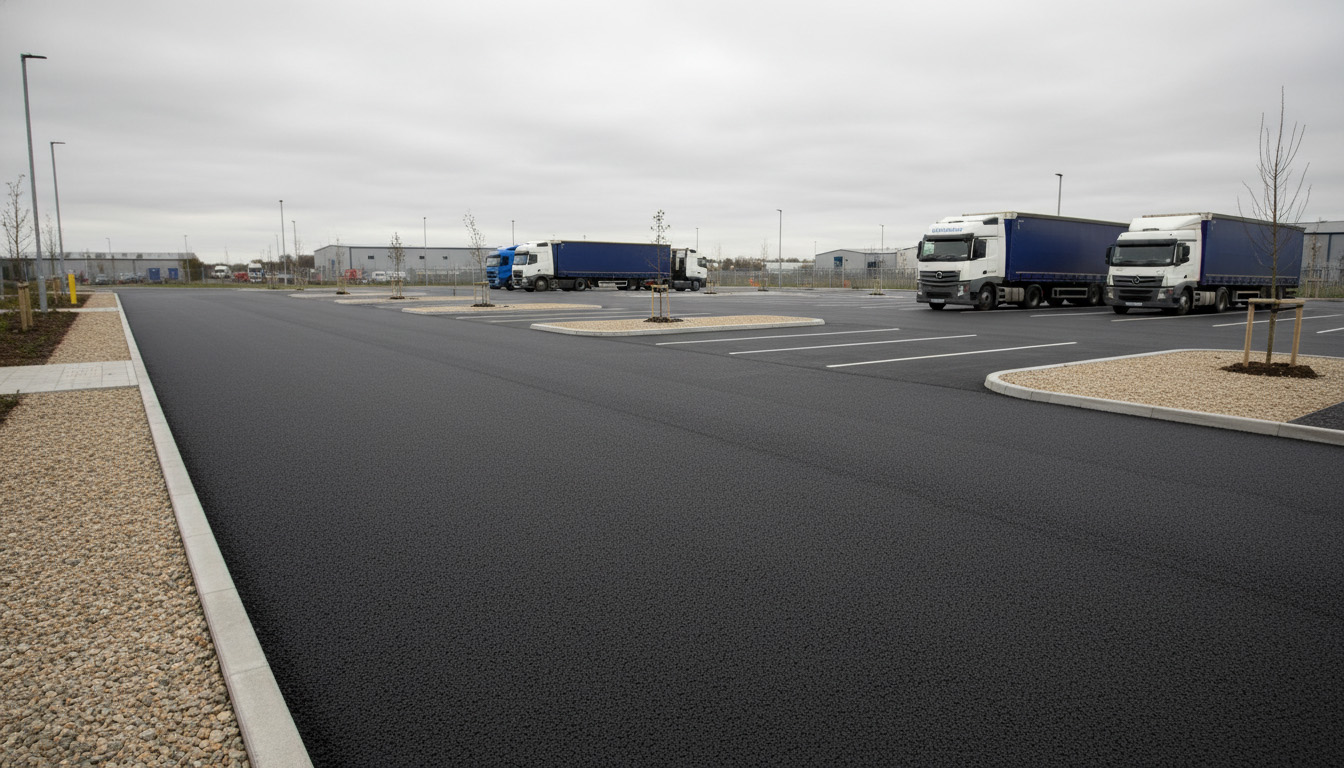
Heavy traffic zones are typically found in industrial estates, logistics centres, loading bays, and commercial service yards. In these environments, vehicles with significant weight repeatedly apply pressure to the same areas. Without appropriate construction methods, surfaces can quickly develop rutting, cracking, or structural movement.
These varying conditions highlight why planning is essential. Contractors must assess expected traffic volumes before selecting materials or beginning installation.
Structural Layers and Their Role in Durability
A road surface is more than just the visible tarmac or asphalt layer. Beneath the finished surface lies a carefully engineered structure designed to distribute weight evenly across the ground below.
The subgrade forms the natural soil foundation. If this layer is weak or unstable, the entire road structure may struggle to maintain integrity under heavy loads. Contractors often stabilise the subgrade before continuing with construction to ensure it can support the upper layers.
Above the subgrade sits the sub-base, which provides structural strength. This layer is typically made from compacted aggregate materials that help spread vehicle loads evenly. For heavy traffic road surfacing UK projects, the sub-base must be thicker and more compacted than in lighter-use areas.
The binder course sits above the sub-base and forms an intermediate structural layer. It helps bond the base to the final surface while adding further strength to the road structure.
Finally, the surface course provides the smooth, durable finish vehicles travel on. Although this layer is visible and often receives the most attention, the durability of the road largely depends on the quality of the underlying layers.
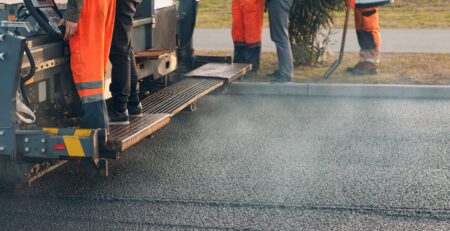
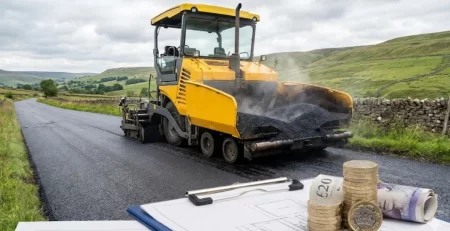
Professional installation, such as machine laid tarmac, helps ensure each layer is applied evenly and compacted to the correct density.
Common Problems Caused by Heavy Traffic
Even well-constructed surfaces can eventually experience wear under constant heavy use. However, many problems arise when a surface has not been designed to withstand high traffic volumes.
Rutting is one of the most common issues. This occurs when repeated vehicle weight compresses the surface and creates visible grooves in the road. These depressions can collect water and accelerate further deterioration.
Cracking is another common problem in heavily trafficked areas. When the underlying layers begin to weaken, the surface layer may develop cracks that allow water to enter the structure. Over time, these cracks expand and lead to larger surface failures.
Surface deformation can also occur where vehicles regularly stop or turn sharply. Areas such as loading bays and junctions experience concentrated stress, which may cause the surface to shift or break down.
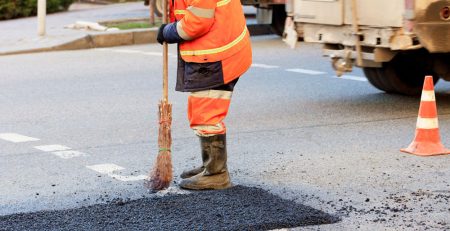
If these problems are ignored, they can eventually lead to potholes or larger sections of failed surfacing that require repair. In such situations, professional pothole repairs can restore safety and prevent further deterioration.
Materials Used for Heavy Traffic Road Surfacing
Selecting the correct material is essential for long-term durability in high-traffic environments. Tarmac is widely used across the UK because it provides a strong, flexible surface capable of handling repeated loads.
One advantage of tarmac is its ability to absorb minor ground movement without cracking. This flexibility helps reduce damage caused by constant vehicle pressure. When installed correctly, it also offers excellent grip and water resistance.
Asphalt mixtures may also be used in some applications, particularly where additional strength is required. These materials are engineered to provide enhanced durability while maintaining a smooth driving surface.
The choice between materials often depends on the intended use of the road, environmental conditions, and expected traffic levels. Experienced contractors carefully evaluate these factors before recommending a specific surfacing solution.
Professional services such as tarmac installation and road surfacing services ensure that materials are selected and installed correctly for the intended environment.
Designing Roads for Commercial and Industrial Use
Heavy traffic road surfacing UK projects are most commonly associated with commercial and industrial environments. In these locations, vehicles not only travel frequently but often carry substantial loads.
Industrial estates, logistics centres, and distribution hubs rely on durable access roads to keep operations running smoothly. Any failure in the road surface can disrupt deliveries, create safety risks, and increase maintenance costs.
Proper design considers factors such as vehicle turning areas, loading zones, and access points. These areas experience higher stress and may require additional reinforcement or thicker surface layers.
Contractors specialising in commercial surfacing contractors understand the importance of building surfaces that support business operations without interruption.
Maintenance Strategies for High Traffic Surfaces
Even the most durable road surfaces benefit from routine maintenance. Regular inspections allow property managers and site owners to identify early signs of wear before they become serious structural issues.
Small cracks, minor surface damage, or early-stage rutting can often be addressed quickly with targeted repairs. Taking action at this stage prevents water from entering the road structure and causing deeper damage.
Preventative maintenance also helps preserve safety by ensuring surfaces remain even and free from hazards. This is particularly important in locations with frequent vehicle movements or pedestrian activity.
Property managers responsible for large sites often work with experienced surfacing contractors who can provide long-term maintenance support. Reviewing previous projects through case studies can offer useful insights into how similar surfaces perform over time.
The Importance of Professional Road Surfacing Installation
Constructing a road capable of handling heavy traffic requires technical knowledge and professional equipment. Each stage of the process must be carried out carefully to ensure the finished surface performs as expected.
From initial ground preparation to final compaction, every step influences the durability of the surface. Skilled contractors analyse ground conditions, traffic requirements, and drainage considerations before beginning work.
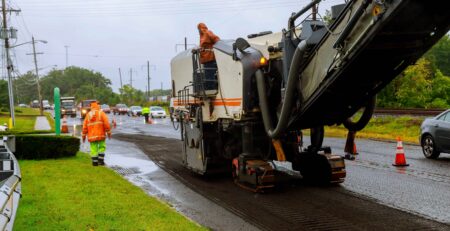
Professional teams also use specialised machinery to apply materials evenly and achieve the correct compaction levels. Without this equipment, surfaces may appear finished but lack the structural integrity needed to withstand heavy use.
Working with experienced professionals helps ensure that heavy traffic road surfacing UK projects are completed to a high standard and remain reliable for years to come.
Long-Term Benefits of Proper Heavy Traffic Surfacing
When roads are designed and installed correctly for high traffic volumes, the benefits extend well beyond immediate usability. A durable surface reduces repair frequency, minimises operational disruption, and enhances overall site safety.
Commercial properties benefit from reliable access routes that support daily operations without interruption. Industrial facilities can manage vehicle movements more efficiently, while public areas maintain safe driving conditions for all users.
Quality surfacing also contributes to a professional appearance, which is particularly important for businesses welcoming customers or clients. A well-maintained road surface reflects positively on the organisation responsible for the site.
For property owners and site managers planning upgrades or new installations, consulting with experienced contractors through Total Surfacing Solutions can help ensure the right surfacing strategy is implemented from the outset.