Is It Cheaper to Tarmac or Concrete a Driveway?
UK homeowners face a crucial decision when planning driveway installations. Budget constraints clash with durability expectations. Tarmac is cheaper upfront, averaging £45-£70 per m² compared to concrete at £50-£100 per m².
For a standard 50m² driveway, tarmac costs £2,200-£4,500 while concrete costs £3,500-£5,000. However, concrete outlasts tarmac by nearly a decade, making the per-year cost difference minimal.
This guide breaks down real costs, hidden expenses, and what truly determines your final invoice when working with commercial and residential surfacing UK specialists.
Key Differences Between Tarmac and Concrete
Material properties create distinct advantages and limitations. These differences impact both installation and long-term performance.
Tarmac Durability and Performance
Flexible composition allows tarmac to withstand ground movement effectively. This characteristic suits UK climates with frequent freeze-thaw cycles.
Temperature sensitivity affects tarmac behaviour throughout seasons. Hot weather softens the surface, potentially causing indentations under vehicle weight. Cold conditions increase brittleness and cracking risk.
Regular maintenance extends tarmac lifespan considerably. Resealing every 3-5 years protects against water infiltration and UV damage. Small cracks repair easily with cold patch materials, preventing larger structural issues.
Understanding road load-bearing capacity becomes crucial for heavy vehicle use. The impact of heavy traffic on tarmac performance reveals potential weaknesses in residential applications. Precision machine-laid tarmac surfacing services offer superior compaction for high-traffic areas.
Concrete Strength and Longevity
Rigid structure provides exceptional load-bearing capabilities without deformation. Concrete handles heavy vehicles, RVs, and commercial equipment effortlessly.
Crack resistance varies based on installation quality and climate exposure. Expansion joints prevent stress fractures from temperature changes and ground movement. Poor drainage accelerates deterioration through freeze damage and erosion.
Surface repairs prove more complex than tarmac fixes. Patching creates visible colour mismatches that detract from appearance. Full sections often require replacement rather than spot repairs, increasing maintenance costs.
Eco-friendly road surfacing solutions now include recycled concrete aggregates. Modern road construction techniques improve concrete mixing processes for enhanced durability and reduced environmental impact.
Tarmac Installation Process
Site preparation determines surface quality and longevity more than material choice. Excavation depth depends on existing ground conditions and drainage requirements.
Sub-base layers require proper compaction to prevent settling and surface depression. A 150-200mm hardcore base supports most residential driveways adequately. Tarmac site preparation for smooth installation outlines essential groundwork steps.
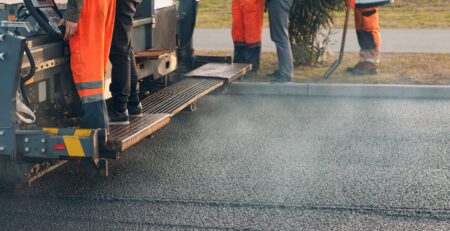
Hot-mix tarmac arrives at specific temperatures for optimal laying conditions. Differences between cold and hot lay tarmac explain application methods and performance expectations. Machine lay vs hand lay tarmac comparison shows quality variations and finish consistency.
Machine-laid tarmac surfacing services in Essex deliver consistent thickness and superior compaction. Expert machine-laid tarmac surfacing services reduce installation time significantly while improving surface uniformity.
Concrete Installation Requirements
Formwork creates boundary shapes and controls slab dimensions before pouring. Reinforcement mesh strengthens the slab against cracking and structural failure.
Curing time prevents premature use that damages surfaces permanently. Tarmac installation in UK weather conditions applies equally to concrete work timing. Temperature and moisture control affect final strength development.
Finishing techniques determine slip resistance and aesthetic appearance. Broom finishes provide texture for better grip in wet conditions. Stamped patterns mimic natural stone, brick, or decorative designs.
Resin bound driveway installation experts in Essex offer alternative permeable solutions. Expert resin bound paving solutions in the UK combine durability with aesthetic flexibility and environmental benefits.
Tarmac Maintenance Needs
Periodic sealing protects bitumen from UV degradation and oxidation. This treatment costs £150-£300 every few years, depending on the driveway size.
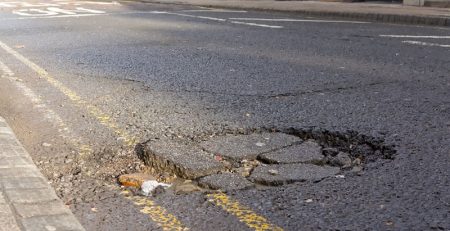
Crack filling prevents water penetration that accelerates freeze-thaw damage. Cold patch vs hot tarmac pothole repair comparison evaluates repair methods and longevity. Professional pothole repair services extend surface life economically.
Oil stains require immediate attention to prevent bitumen breakdown. Professional driveway cleaning and jet washing services restore appearance and prevent long-term deterioration from chemical damage.
How to prevent road surface deterioration covers proactive maintenance strategies. Year-round weather effects on tarmac explain seasonal challenges and preventive measures.
Concrete Maintenance Considerations
Sealing occurs less frequently than tarmac, typically every 2-3 years. This reduces ongoing maintenance costs and labour requirements significantly.
Surface repairs prove costlier when needed. Concrete patching ranges from £300 to £800, depending on damage and section replacement needs. Pothole repair lifespan and durability compares material longevity expectations.
Stain resistance varies with sealer quality and surface finish type. Unsealed concrete absorbs oils and chemicals readily, creating permanent discolouration. Regular cleaning prevents staining issues.
Resin driveway specialists in the UK provide low-maintenance alternatives. Low-maintenance professional surfacing solutions for long-lasting results reduce upkeep requirements significantly while maintaining appearance.
Factors Affecting Final Tarmac Price
Multiple variables influence your total investment beyond basic material costs. Understanding these elements helps budget accurately for complete installations.
Tarmac Driveway Size and Shape
Square meterage directly impacts material quantities and labour hours required. Larger areas benefit from economies of scale, reducing per-metre costs.
Complex shapes increase cutting waste and installation time substantially. Curved edges require hand-laying techniques rather than machine application, raising labour costs. Machine lay tarmac for high-traffic areas explains efficiency differences.
Access restrictions affect equipment use and labour efficiency dramatically. Narrow driveways prevent large machinery deployment, forcing manual methods. Quick and efficient driveway and surfacing installation services optimize project timelines.
Tarmac Base Preparation Requirements
Excavation depth depends on soil stability and drainage needs. Poor ground conditions require deeper excavations and enhanced sub-bases for adequate support.
Sub-base materials typically cost £23 per m² for quality hardcore. Excavation and disposal add another £28 per m² to project expenses. These preparatory costs match or exceed surface material expenses.
Existing surface removal creates additional disposal fees and labour charges. Contaminated soil requires specialized handling and increases overall costs. Commercial paving and road surfacing experts assess site conditions accurately.
Driveway installation specialists in Essex emphasize foundation quality over surface savings. Key factors affecting paved surface longevity prioritize proper groundwork for an extended lifespan.
Tarmac Drainage Solutions
Adequate drainage prevents water pooling and frost damage. Permeable systems cost more initially but reduce long-term maintenance requirements.
Gradient planning ensures water flows away from buildings and structures. Insufficient slope creates standing water that degrades surfaces rapidly. How to prevent road surface deterioration addresses drainage importance comprehensively.
Channel drains and gullies add £50-£150 per linear metre. ACO drains provide effective water management in flat areas. Proper installation prevents flooding and surface breakdown.
Additional Tarmac Features
Edging materials define boundaries and prevent tarmac spreading over time. Block paving installation for driveways and outdoor spaces creates attractive borders. Bricklaying and wall construction services build retaining walls where level changes exist.
Line marking designates parking spaces or traffic flow patterns. Professional line marking services for roads and car parks ensure clear visibility and functionality. Low-noise road surfacing solutions benefit residential areas.
Step installation services for safe and durable access connect different levels safely. Custom resin and paving finishes for unique designs personalize appearances while maintaining durability.
Factors Affecting Final Concrete Price

Concrete pricing follows similar size and preparation patterns. Additional variables influence total expenditure beyond basic installation.
Concrete Finish Types
Plain concrete offers the most economical option available. Costs start around £50 per m² for basic installations without decorative elements.
Pattern imprinting increases prices to £70-£120 per m² depending on complexity. Stamped finishes mimic natural stone, brick, or decorative patterns convincingly. Colour additives enhance visual appeal for £10-£20 extra per m².
Polished concrete creates modern, sleek appearances for contemporary properties. This finish requires specialized equipment and skills, increasing installation costs. Premium finishes match or exceed resin bound paving solutions for durable driveways costs.
Concrete Reinforcement Needs
Mesh reinforcement prevents crack propagation throughout the slab. Steel reinforcement costs £5-£10 per m², depending on specifications and grid spacing.
Fiber additives improve crack resistance without mesh installation requirements. These materials integrate during mixing for uniform distribution throughout. Heavy-duty applications require both fiber and steel reinforcement.
Thicker slabs support heavier loads but increase material costs proportionally. Standard residential driveways use a 100-150mm thickness adequately. Commercial applications may require 200mm or more.
Concrete Curing and Protection
Extended curing periods delay driveway use and project completion. This affects project scheduling and property access convenience significantly.
Weather protection prevents premature drying or frost damage during curing. Plastic sheeting and curing compounds add £2-£5 per m² to costs. Tarmac installation in UK weather conditions explains climate challenges.
Temperature control becomes critical during extreme weather installation periods. Winter installations require heated enclosures or chemical accelerators for proper curing. These measures increase costs significantly.
Commercial surfacing contractors for all project types manage complex installations. Residential driveway and paving solutions cater to homeowners’ needs specifically.
Concrete Long-term Value
Higher initial costs deliver extended service life and durability. Concrete’s 25-30 year lifespan exceeds tarmac’s 15-20 years substantially.
Replacement frequency affects lifetime ownership costs dramatically. Tarmac requires reinstallation once or twice when concrete remains serviceable throughout. Long-term benefits of regular road maintenance calculates total expenditure.
Property value impacts vary by neighbourhood and buyer preferences. Quality installations enhance curb appeal regardless of the material choice selected. Professional road resurfacing and maintenance services maintain appearance and function.
Playground and sports surfacing solutions for schools demonstrate concrete’s versatility. Driveway installation and surfacing specialists address damage promptly to preserve surfaces.
Areas We Cover Across the UK
Total Surfacing operates from the South East, delivering professional surfacing solutions across Hertfordshire, Essex, London, and surrounding areas. Our services include driveway construction, resurfacing, and responsive pothole repairs for both residential and commercial clients.
In Essex, our local teams provide reliable driveway surfacing, specialist resin installations, and machine lay tarmac services in Essex for projects of all sizes. We also deliver fast and effective pothole repair services in Essex, helping keep roads, car parks, and access routes safe and compliant.
Across Hertfordshire, clients benefit from the same high standards. Our teams offer driveway surfacing supported by experienced resin installers, along with machine lay tarmac services in Hertfordshire for private and commercial sites. We also carry out dependable pothole repair services in Hertfordshire, designed to minimise disruption and extend surface life.
Coverage typically includes:
- Major towns and routes in Hertford, Chelmsford, Harlow, Epping, and Colchester
- Private estates, business parks, and retail sites throughout the wider South East
- National support for larger commercial surfacing programmes when required
This strong regional focus keeps travel times low, response times fast, and local knowledge sharp. It also allows us to support ongoing maintenance cycles, from seasonal pothole repairs to planned resurfacing—giving clients a long-term surfacing partner rather than a one-off repair service.
Frequently Asked Questions
Which driveway material requires less maintenance?
Concrete generally needs less frequent attention than tarmac surfaces. Concrete sealing occurs every 2-3 years, while tarmac requires resealing every 3-5 years for optimal protection.
However, when concrete does crack, repairs cost £300-£800 compared to tarmac’s £150-£300. Reliable pothole repair services for roads and driveways handle both materials professionally. Pothole repair experts providing long-lasting solutions assess damage severity accurately.
How quickly can each surface be used after installation?
Tarmac hardens within 24-48 hours for light vehicle use comfortably. Full curing completes in several weeks for maximum strength. Concrete requires 7 days before light traffic and 28 days for complete strength development.
Tarmac surfacing for long-lasting roads explains proper curing. Quick and efficient driveway and surfacing installation services minimize disruption periods.
What climate conditions favour tarmac over concrete?
Tarmac’s flexibility handles freeze-thaw cycles better in moderate UK climates. Extreme heat softens tarmac surfaces, creating indentation risks under parked vehicles. Concrete withstands heat well but cracks more readily during freezing if poorly drained.
Year-round weather effects on tarmac details seasonal performance characteristics. Tarmac installation in UK weather conditions guides optimal timing decisions.
Do repair costs significantly impact long-term budgets?
Yes, repair frequency and expense affect total ownership costs substantially. Tarmac repairs occur more often but cost less per incident. Concrete repairs happen less frequently but involve higher expenses when structural work becomes needed.
Pothole repair costs in the UK compare with material-specific pricing expectations. Emergency pothole repair services prevent minor damage from escalating into major failures.
Can I mix materials for cost optimization?
Many homeowners use different materials for specific functional areas. Tarmac works well for main driveway sections, while block paving installation for driveways and outdoor spaces creates decorative borders and features.
Resin bound driveway installation experts in Essex combine materials strategically for aesthetic appeal. Custom resin and paving finishes for unique designs offer aesthetic versatility while managing budgets effectively.
Making Your Investment Count
Budget-conscious homeowners find tarmac delivers immediate savings with £45-£70 per m² costs versus concrete’s £50-£100 per m². Initial price differences shrink when calculating per-year costs across expected lifespans and replacement cycles.
Concrete’s 25-30 year durability outpaces tarmac’s 15-20 year service life substantially. This longevity advantage offsets higher upfront expenses for long-term property owners planning extended residence. Frequent movers benefit more from tarmac’s lower installation costs.
Choose materials based on usage patterns, climate exposure, and aesthetic preferences rather than price alone. Commercial and residential surfacing UK professionals assess your specific requirements comprehensively. Proper installation and maintenance maximize value regardless of surface selection.