Permeable Road Surfacing: A Modern Solution for Drainage and Sustainability
Modern road construction increasingly focuses on sustainability, water management, and long-term durability. One surfacing method gaining attention across the UK is permeable road surfacing. Unlike traditional impermeable surfaces, permeable systems are designed to allow water to pass through the surface layer and drain naturally into the ground below.
This approach offers several benefits for property owners, developers, and commercial site managers. By reducing surface water runoff, permeable surfaces help prevent flooding, improve drainage efficiency, and reduce the pressure on traditional drainage systems. In areas where heavy rainfall and changing weather patterns are becoming more common, these advantages are particularly valuable.
Permeable road surfacing is now being used in a wide range of environments, including housing developments, car parks, access roads, and shared public spaces. Understanding how this surfacing method works can help decision-makers determine whether it is suitable for their projects.
What Is Permeable Road Surfacing?
Permeable road surfacing refers to a construction method where the finished surface allows water to pass through rather than sit on top. This is achieved through specially designed materials and a layered structure beneath the surface.
Instead of directing rainwater into drainage channels or gullies, permeable surfaces allow water to filter through small gaps in the surface layer. The water then moves through a carefully prepared sub-base that temporarily stores and gradually disperses the moisture into the surrounding soil.
This system reduces the need for complex drainage networks while helping to manage stormwater naturally. For sites where drainage infrastructure is limited or where sustainable development goals are important, permeable surfacing can provide a practical alternative.
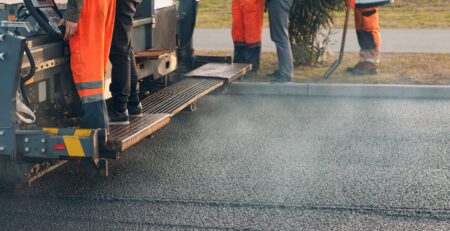
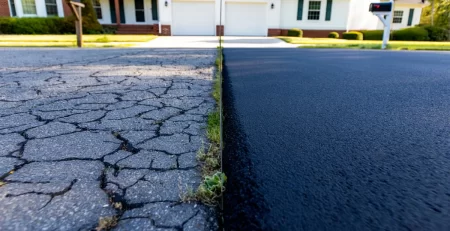
In some cases, permeable systems are integrated with more traditional surfacing methods such as tarmac installation where appropriate drainage design is still required to manage water effectively.
How Permeable Surfaces Improve Drainage
Traditional roads are designed to shed water across the surface into drainage systems. While effective, this approach can place significant pressure on drainage infrastructure during periods of heavy rainfall.
Permeable surfaces take a different approach by allowing water to soak through the road structure itself. As rain passes through the surface layer, it enters a specially designed sub-base made from open-graded aggregate. This layer temporarily stores water before allowing it to disperse into the ground below.
The result is a controlled and gradual release of water rather than rapid runoff. This process helps reduce surface flooding and minimises the risk of standing water that can damage road surfaces.
For sites such as commercial premises and industrial yards, where large impermeable surfaces can generate significant runoff, drainage solutions are often incorporated alongside surfacing works carried out by experienced commercial surfacing contractors.
Where Permeable Road Surfacing Is Most Commonly Used
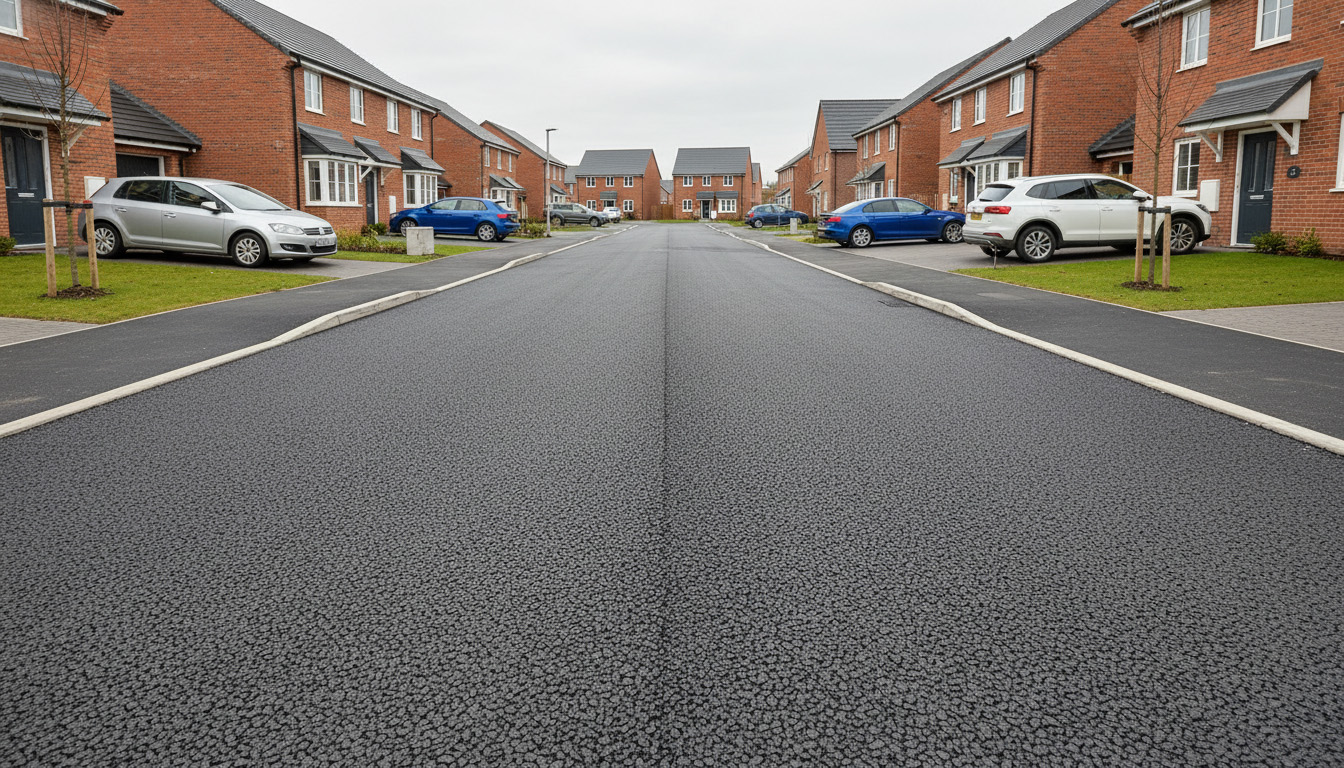
Permeable road surfacing is particularly useful in areas where drainage management is a priority. Housing developments frequently use permeable surfaces for access roads and shared parking areas because they help manage rainwater without requiring extensive underground drainage networks.
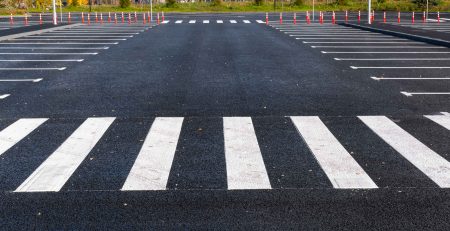
Car parks are another common application. Large paved parking areas can produce large volumes of runoff during heavy rain, which can overwhelm local drainage systems. Permeable surfacing helps reduce this impact by allowing water to disperse naturally.
Public spaces such as parks, pedestrian areas, and school grounds may also benefit from permeable systems. In these environments, controlling surface water improves safety while supporting sustainable infrastructure planning.
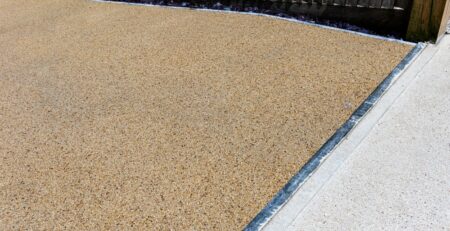
Some residential properties also choose permeable surfacing solutions such as resin driveways which combine attractive finishes with improved drainage performance.
The Structural Design of Permeable Road Systems
Although permeable surfaces allow water to pass through them, they must still maintain the structural strength required to support vehicle traffic. Achieving this balance requires careful design of each layer within the road structure.
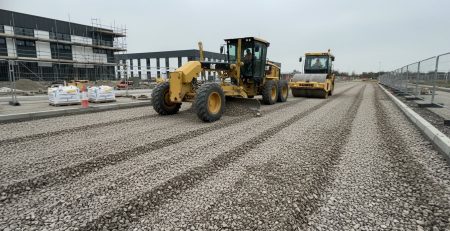
The top layer must be durable enough to withstand vehicle movement while containing small voids that allow water to pass through. Beneath this layer, the sub-base is constructed using specially graded aggregate that creates space for water storage.
This structure distributes vehicle loads in the same way as traditional road construction while also performing a drainage function. The design ensures that the road remains stable even during periods of heavy rainfall.
Contractors who specialise in large-scale surfacing projects, including highway surfacing, often assess whether permeable systems are suitable depending on traffic levels and site conditions.
Maintenance Considerations for Permeable Surfaces
Like any road surface, permeable systems require ongoing maintenance to ensure they continue to perform effectively. Over time, debris such as dirt, leaves, and sediment can accumulate on the surface and reduce permeability.
Regular cleaning helps prevent the small surface openings from becoming blocked. Sweeping or specialised vacuum equipment may be used to remove debris and maintain proper drainage performance.
Inspection is also important to ensure the structure beneath the surface remains stable and continues to drain effectively. Early identification of any issues allows repairs to be carried out before they develop into larger problems.
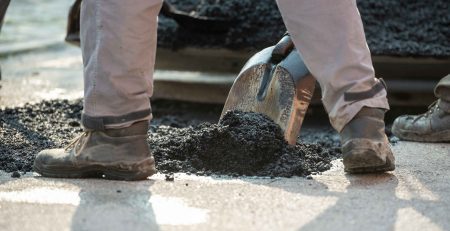
In areas where heavy traffic may cause localised damage, timely maintenance such as pothole repairs can help restore the surface and maintain safe driving conditions.
Planning Considerations for Permeable Surfacing
Before installing permeable road surfacing, several factors must be considered to ensure the system functions correctly. Ground conditions are particularly important because the surrounding soil must be capable of absorbing the water that passes through the road structure.
Sites with very dense clay soils may require additional drainage measures to prevent water from becoming trapped beneath the surface. Similarly, areas with high groundwater levels may need alternative solutions to manage moisture effectively.
Traffic levels must also be considered during the design stage. While permeable systems can support vehicle traffic, extremely heavy industrial loads may require reinforced structures or alternative surfacing materials.
Professional contractors often carry out site surveys and drainage assessments before beginning construction. These evaluations help determine whether permeable surfacing is suitable for the project and ensure the final installation performs as expected.
The Future of Sustainable Road Surfacing
As sustainability becomes an increasingly important factor in construction and infrastructure planning, permeable road surfacing is likely to become more common across the UK. Developers and local authorities are increasingly looking for ways to manage water responsibly while maintaining durable road networks.
Permeable systems provide a practical solution that supports both environmental goals and functional performance. By reducing surface water runoff, supporting natural drainage, and minimising flood risks, these surfaces contribute to more resilient infrastructure.
When properly designed and installed, permeable road surfacing can offer a long-lasting and environmentally responsible alternative to traditional methods, particularly in developments where drainage management and sustainability are key priorities.