How to Prepare Your Property for Driveway Surfacing Works
Preparing your property for driveway surfacing works is one of the most important steps in achieving a smooth, long-lasting finish. Whether you are replacing an old driveway or installing a new one for the first time, good preparation helps the project run efficiently and reduces the risk of delays, misunderstandings, or unexpected costs.
Many homeowners focus only on the final appearance of the driveway, but what happens before surfacing begins has a major impact on performance and durability. This guide explains how to prepare your property properly so your driveway installation is completed safely, efficiently, and to a high standard.
Understanding What Driveway Surfacing Involves
Driveway surfacing is a structured process that involves more than laying a new surface material. Contractors need space to work, access for machinery, and a safe environment to carry out excavation, base preparation, and surfacing.
Depending on the chosen material, the preparation process may vary. Some homeowners choose decorative finishes such as resin-bound systems, while others prefer more traditional solutions. Understanding the basics of driveway construction helps you anticipate what preparations are required and why they matter.
Clearing the Driveway and Creating Safe Access
One of the first tasks in preparing your property is clearing the driveway completely. All vehicles must be removed in advance, including cars, motorcycles, and any stored items. Contractors require uninterrupted access to the full working area to operate machinery and deliver materials safely.
Access routes to the driveway should also be kept clear. This allows delivery vehicles and equipment to reach the site without obstruction. If your property shares access with neighbours, it is helpful to inform them in advance so temporary arrangements can be made smoothly.
Protecting Surrounding Areas and Property Features
Driveway surfacing works can involve heavy equipment and material deliveries. Taking steps to protect nearby features helps prevent accidental damage.
Garden furniture, plant pots, and decorative items should be moved away from the working area. Fragile plants or landscaped borders close to the driveway may benefit from temporary protection. If your driveway is close to walls, fences, or gates, highlighting any areas of concern to your contractor in advance helps avoid issues during installation.
Choosing the Right Surfacing Material
Preparation also involves deciding on the most suitable driveway surface for your property. Different materials require different groundwork and installation methods.
Some homeowners prefer modern finishes such as resin driveways for their smooth appearance and permeability. Others opt for more traditional options such as asphalt or tarmac, which offer durability and cost efficiency.
Discussing material options early ensures the preparation work matches the chosen surface and avoids changes once work has started.
Understanding Ground Preparation and Excavation
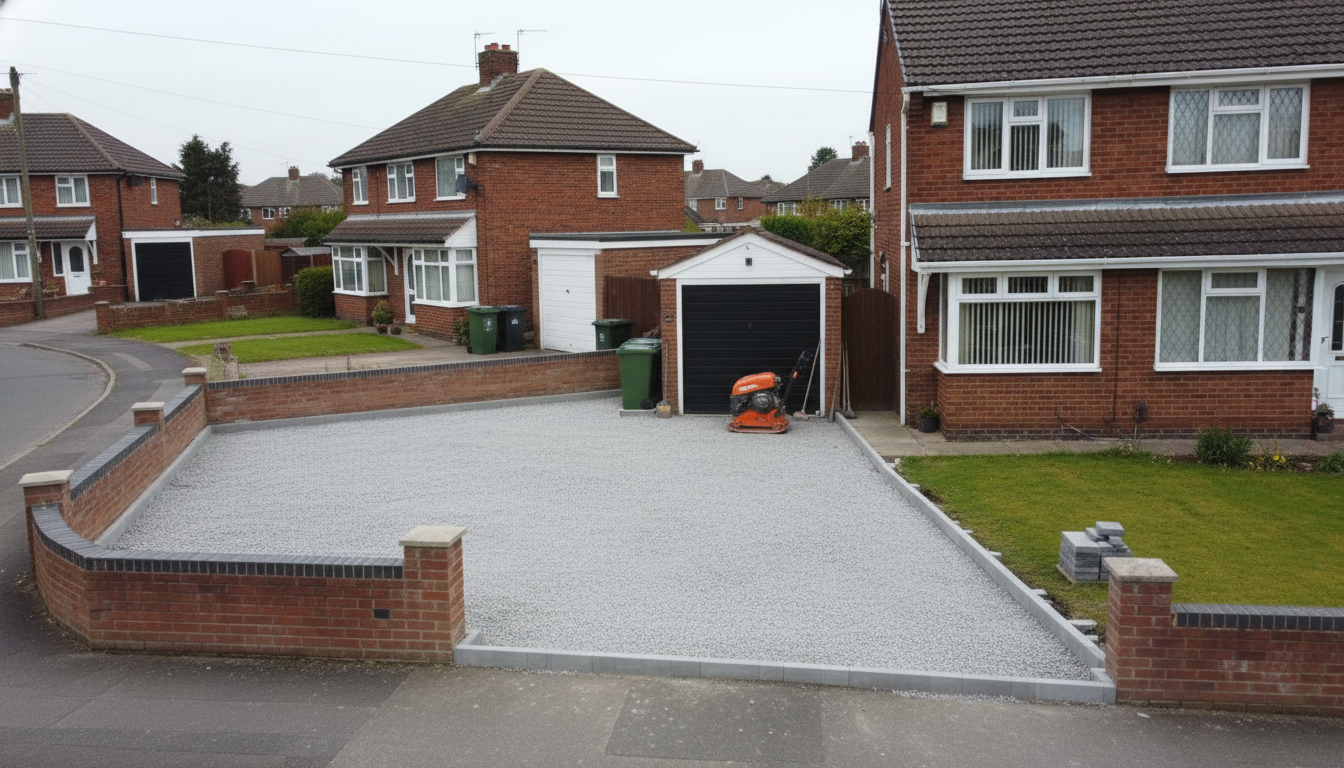
Proper groundwork is essential for any driveway surfacing project. This stage involves removing the existing surface, excavating to the correct depth, and installing a stable sub-base.
The quality of this preparation directly affects the driveway’s lifespan. Poorly compacted bases or incorrect levels can lead to cracking, sinking, or drainage problems over time. Experienced contractors assess ground conditions carefully and adjust preparation methods accordingly.
For projects involving heavy vehicle use or shared access routes, professional tarmac installation and road surfacing services ensure the driveway is built to withstand regular use and the UK climate.
Managing Drainage and Water Run-Off
Drainage is a critical part of driveway preparation. Inadequate water management can cause surface damage, erosion, and long-term structural issues.
Before work begins, contractors assess how water currently flows across your property and make adjustments where necessary. This may involve installing drainage channels, adjusting gradients, or selecting permeable surfacing materials. Ensuring water drains away from buildings and neighbouring properties protects both the driveway and surrounding structures.
Planning for Temporary Disruption
Driveway surfacing works involve temporary disruption to access. Homeowners should plan ahead for alternative parking arrangements and restricted access during installation and curing periods.
Clear communication with your contractor helps you understand how long access will be limited and when the driveway can be used again. Being prepared reduces frustration and ensures safety during the works.
Communicating Clearly with Your Contractor
Good communication is a key part of preparation. Discussing expectations, timelines, and any specific concerns before work begins helps prevent misunderstandings.
If you have questions about materials, access, or preparation requirements, raising them early allows contractors to adjust plans accordingly. For personalised advice or to discuss your specific project requirements, contacting a professional team through this contact page ensures you receive accurate guidance before work starts.
After Preparation: What to Expect Next
Once your property is fully prepared, surfacing works can proceed efficiently. Contractors will carry out excavation, base installation, and surfacing in a structured sequence designed to deliver a durable and visually appealing result.
Following installation, curing times and aftercare guidance should be followed carefully. Avoiding premature use and maintaining the surface properly helps protect your investment from day one.
Final Thoughts
Preparing your property for driveway surfacing works is not just a formality, but a crucial part of the installation process. From clearing access and protecting surrounding areas to choosing the right materials and ensuring proper groundwork, each step contributes to the final outcome.
With careful preparation and professional installation, your new driveway will provide long-term performance, improved appearance, and added value to your property. Taking the time to prepare properly ensures the surfacing works are completed smoothly and deliver lasting results.