Road Surfacing for Housing Developments in the UK
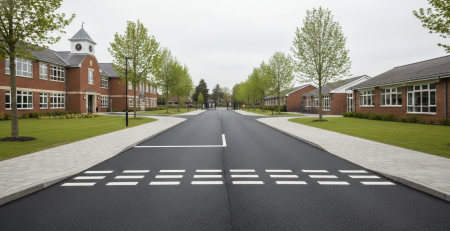
Residential road surfacing UK projects play a critical role in the success and longevity of housing developments. Roads within new estates are not simply functional routes for vehicles; they are a permanent part of the infrastructure that affects safety, drainage performance, visual appearance, and long-term maintenance costs. Poorly surfaced access roads can lead to early deterioration, standing water, and ongoing repair issues that affect residents and property managers alike.
In housing developments, road surfaces must withstand repeated vehicle movements from residents, visitors, delivery vehicles, refuse lorries, and emergency services. At the same time, they must comply with planning expectations and local authority standards while fitting the overall character of the development. This balance between durability, compliance, and appearance is why residential surfacing requires careful planning and professional execution.
Key Considerations When Planning Residential Road Surfacing
Traffic Load and Usage Patterns
One of the first factors to consider in residential road surfacing UK projects is how the road will be used over time. While residential roads may not carry the same volume as highways, they are subject to regular stress from heavy vehicles during construction and daily use once homes are occupied. Delivery lorries, moving vans, and maintenance vehicles all place concentrated loads on the surface.
Designing a surface that accounts for these demands helps prevent rutting, cracking, and premature surface failure. This is particularly important in cul-de-sacs, turning heads, and parking areas where vehicles frequently manoeuvre at low speeds.
Drainage and Ground Conditions
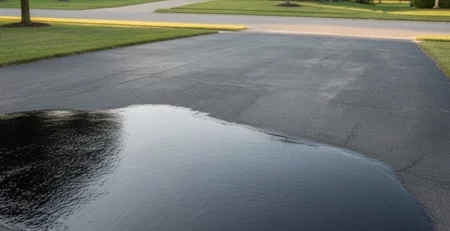
Effective drainage is fundamental to long-lasting residential roads. UK weather conditions mean surfaces must be designed to cope with frequent rainfall without allowing water to pool or penetrate the structure. Poor drainage is one of the most common causes of surface deterioration, leading to frost damage and weakening of the sub-base.
Ground conditions also vary widely across the UK, and soil stability has a direct impact on road performance. A professional assessment ensures that the base layers are designed correctly and that water is directed away from the surface through appropriate falls and drainage features.
Choosing the Right Surfacing Materials for Housing Estates
Tarmac as a Preferred Residential Solution
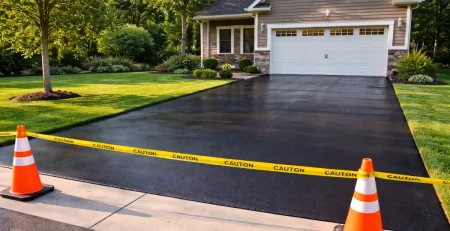
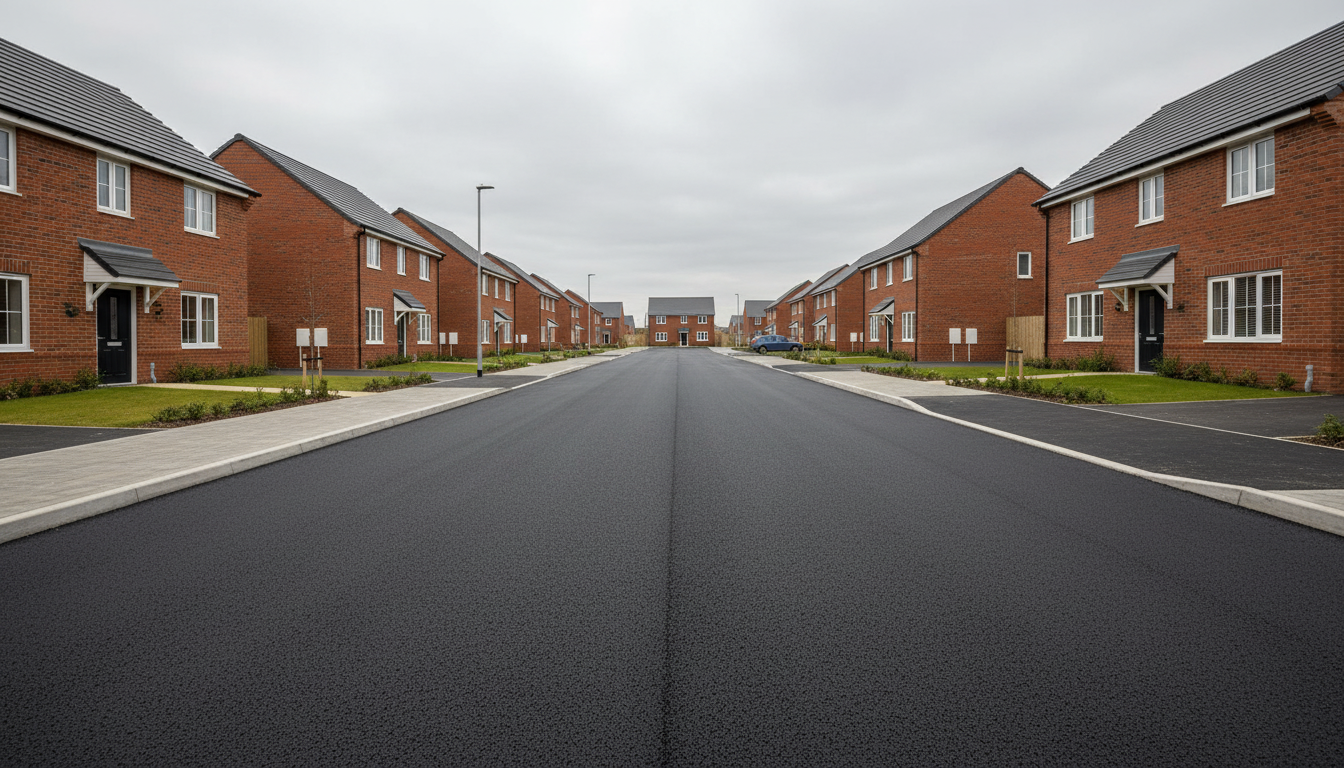
Tarmac remains one of the most widely used materials for residential road surfacing UK developments due to its durability, smooth finish, and cost-effectiveness. It provides a clean, professional appearance while offering sufficient flexibility to cope with temperature changes and ground movement.
When installed correctly, tarmac creates a seamless surface that is easy to maintain and repair. Professional tarmac installation ensures that the material is laid to the correct depth and compacted properly, which is essential for residential roads expected to last for decades.
Alternative and Complementary Surfacing Options
In some housing developments, additional surfacing options may be used alongside traditional tarmac. Shared surfaces, private drive roads, and decorative areas may benefit from alternative finishes depending on planning requirements and design goals. While the primary estate roads typically require robust surfacing, secondary areas may allow more flexibility in appearance without compromising performance.
The Importance of Professional Installation
Compliance with Standards and Specifications
Residential road surfacing UK projects must often meet specific standards set by local authorities or planning conditions. These standards govern everything from layer thickness to surface finish and drainage design. Professional contractors understand these requirements and ensure that installations are completed to the correct specifications.
Using experienced commercial surfacing contractors helps reduce the risk of costly remedial work or delays caused by non-compliant installations. This is particularly important for developers working to tight schedules and budgets.
Consistency and Quality Control
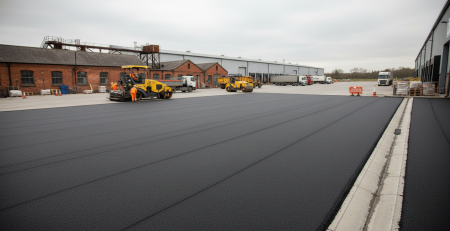
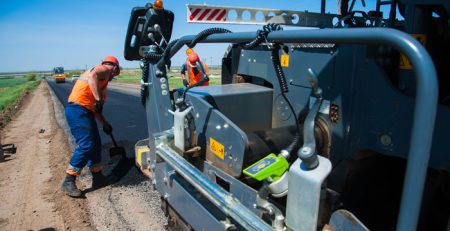
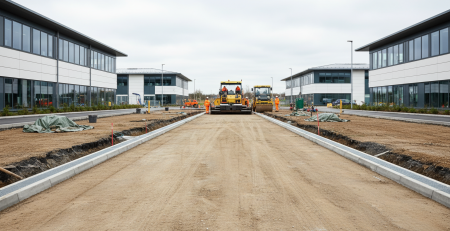
Machine-laid surfacing is often used on housing developments to achieve consistent levels and finishes across long stretches of road. Techniques such as machine-laid tarmac improve surface uniformity and compaction, reducing weak spots that could develop into future defects.
Quality control during installation ensures that each layer performs its intended role, from load distribution to surface protection. This approach results in roads that perform reliably throughout their design life.
Managing Construction Traffic and Phased Development
Housing developments are typically built in phases, with construction traffic using estate roads long before the project is complete. This places additional stress on newly laid surfaces and must be factored into the surfacing strategy.
In many cases, a temporary or base course may be installed initially, with the final surface applied once heavy construction traffic has ceased. This staged approach protects the finished surface and ensures that the completed development benefits from a high-quality final finish.
Long-Term Maintenance Considerations for Residential Roads
Planning for Ongoing Care
Even the best residential road surfacing UK installations require maintenance over time. Small defects, if left unaddressed, can develop into larger issues that affect safety and appearance. Establishing a maintenance plan helps property managers and developers protect their investment.
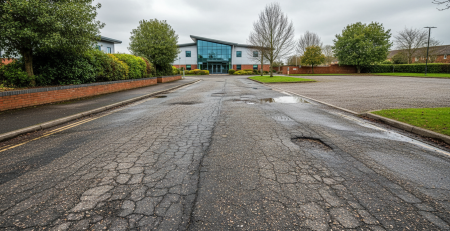
Timely repairs, such as addressing localised damage through professional pothole repairs, can significantly extend the lifespan of estate roads and reduce long-term costs.
Responsibility and Ownership
In housing developments, responsibility for road maintenance may rest with developers, management companies, or local authorities depending on adoption agreements. Understanding these responsibilities from the outset ensures that maintenance obligations are met and that roads remain safe and functional for residents.
Residential Road Surfacing and Property Value
The quality of estate roads has a direct impact on how a development is perceived. Well-surfaced roads contribute to a sense of order, safety, and quality, all of which influence property values and resident satisfaction. Poorly maintained surfaces, by contrast, can detract from even the most well-designed homes.
Investing in professional residential road surfacing UK solutions helps create a positive first impression while reducing future liabilities. This is particularly important for developers aiming to build long-term reputations for quality and reliability.
Working with Experienced Surfacing Specialists
Choosing the right contractor is essential for successful residential road surfacing projects. Experienced specialists bring technical knowledge, practical insight, and an understanding of local conditions that cannot be replicated by general contractors. Reviewing previous projects and seeking proven expertise helps ensure that roads are built to last.
Organisations that operate across multiple regions and understand varying site conditions, such as those working throughout the areas we cover, are well placed to deliver consistent results on housing developments of all sizes.
Conclusion
Residential road surfacing UK projects require careful planning, appropriate material selection, and professional installation to deliver durable, compliant, and visually appealing estate roads. From managing drainage and traffic loads to planning for long-term maintenance, every stage of the process contributes to the performance of the finished surface.
By working with experienced surfacing contractors and adopting a structured approach to installation and maintenance, housing developers and property managers can ensure that residential roads remain safe, functional, and attractive for many years to come.