Why Road Edging and Kerbing Matter in Road Surfacing Projects
When planning a road surfacing project, most attention is naturally directed towards the main surface material such as tarmac or asphalt. However, the edges of the road play an equally important role in determining how well that surface performs over time. Road edging and kerbing form the boundaries that contain, protect and support the entire surfacing structure.
Without properly installed edging or kerbs, the outer edges of a road surface are vulnerable to movement and deterioration. Vehicles often apply the greatest pressure to the outer areas of a road when turning, parking or passing. If those edges are not properly reinforced, the surface can begin to crumble or break away.
Road edging and kerbing UK installations are therefore considered a structural component rather than simply a visual finishing detail. They help stabilise the surface, manage drainage and protect surrounding areas from damage caused by vehicle traffic.
Professional surfacing contractors understand that the durability of a road surface depends not only on the layers beneath it but also on the strength and stability of the boundaries that contain it.
Structural Support for the Surface Layers
Preventing Edge Breakdown
One of the most common problems seen in poorly constructed roads is edge failure. This occurs when the sides of the surface begin to deteriorate due to insufficient support. Once the edges weaken, the structural integrity of the entire surface can be compromised.
Kerbs and edging stones provide a solid barrier that holds the road structure in place. They prevent the sub-base and surface materials from shifting outward under pressure from traffic. This reinforcement is particularly important in areas where vehicles frequently manoeuvre, such as car parks, access roads and turning circles.
Professional contractors delivering tarmac installation road surfacing services often install kerbing as part of the wider surfacing system to ensure the finished road remains structurally stable.
Containing the Surfacing Materials
During construction, the surfacing layers are compacted to create a strong and durable finish. Without edge restraints, those materials may gradually spread or move outward over time. Kerbs provide a fixed boundary that keeps the compacted layers locked in place.
This containment helps maintain the correct shape and profile of the road. The result is a surface that remains consistent and level even after years of traffic use.
Improving Drainage and Water Management
Directing Water Away from the Surface
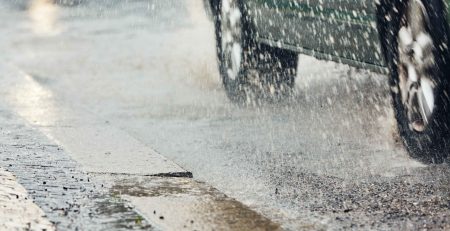
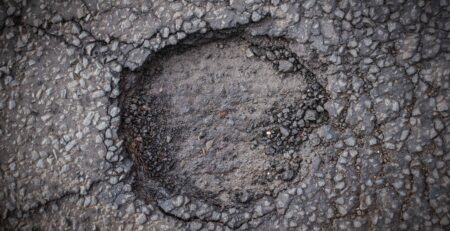
Drainage is one of the most critical elements of any road construction project. Standing water can quickly weaken the structure of a road surface, leading to cracks, potholes and general deterioration.
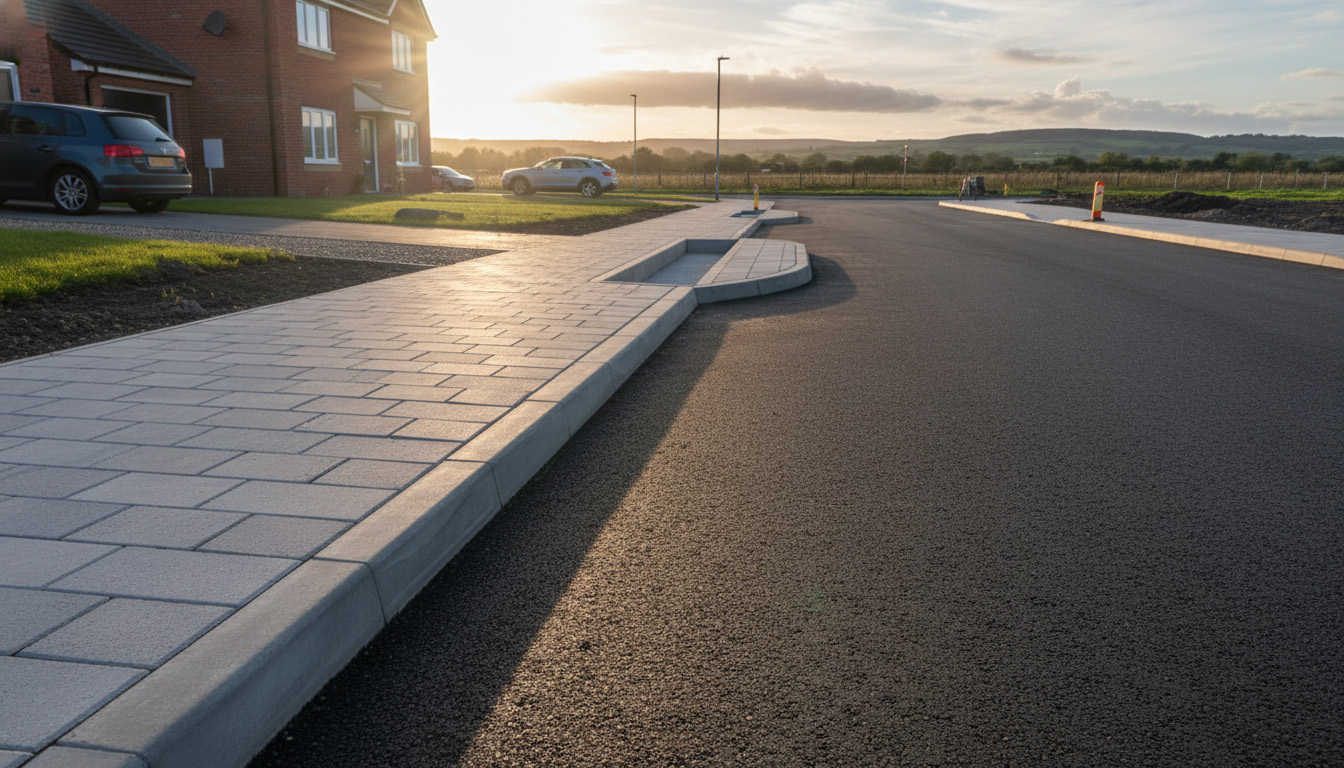
Road edging and kerbing UK installations help guide water towards drainage systems. Kerbs are often designed with slight gradients or integrated channels that direct rainwater towards gullies, drains or designated runoff areas.
By controlling the flow of water, kerbs reduce the risk of water collecting along the edges of the road. This helps protect the surface layers and prolongs the lifespan of the installation.
Protecting Surrounding Ground
Without kerbing, water flowing off a road surface can erode surrounding soil or landscaping. Over time this erosion can undermine the edge of the road itself, leading to instability.
Kerbs provide a protective barrier that keeps water movement controlled. This is particularly important in commercial environments where roads run alongside landscaped areas, pedestrian walkways or parking bays.
Experienced commercial surfacing contractors carefully design kerbing systems to ensure water flows away from key traffic areas while protecting the surrounding environment.
Enhancing Safety and Traffic Guidance
Defining Road Boundaries
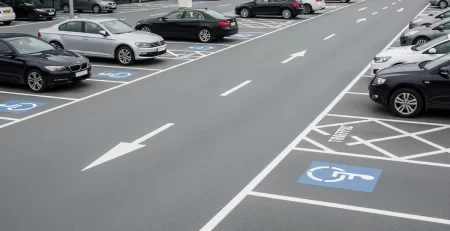
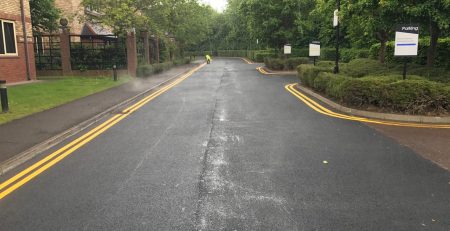
Kerbing provides clear visual and physical boundaries that help drivers understand the limits of the road. This is particularly valuable in shared spaces such as car parks, business parks and private estates where vehicles and pedestrians may interact.
Defined edges improve driver awareness and reduce the likelihood of vehicles leaving the surface unintentionally. In poorly defined areas, vehicles may drift onto soft verges or landscaped sections, which can damage both the road and surrounding features.
Clear road boundaries also support the safe organisation of traffic flow in busy environments.
Supporting Pedestrian Safety
Kerbs also create separation between vehicle routes and pedestrian pathways. This distinction is essential in locations such as schools, public buildings and residential developments.
By providing a raised barrier, kerbs help prevent vehicles from encroaching onto walkways or public areas. Contractors involved in specialist environments such as education surfacing often incorporate kerbing systems to maintain clear and safe divisions between traffic and pedestrian zones.
Improving the Appearance of Surfaced Areas
Creating a Clean and Professional Finish
While the structural and safety benefits of kerbing are essential, there is also a clear aesthetic advantage. Roads and car parks with defined edges appear more organised and professionally constructed.
Kerbs frame the road surface and create a clean visual boundary between the surfacing material and surrounding areas such as grass, paving or gravel. This finishing detail contributes to the overall presentation of the site.
For businesses, the appearance of access roads and parking facilities can influence the perception of the property. A well-finished surface with properly installed edging reflects attention to detail and professional maintenance standards.
Maintaining Surface Shape Over Time
Over the lifespan of a road, small movements in the surrounding ground can affect the shape of the surface. Kerbs act as a permanent boundary that helps preserve the original design of the road layout.
Without this restraint, the edges may gradually become uneven or worn, leading to a less organised appearance and potential safety concerns.
Kerbing for Different Types of Road Projects
Residential and Private Roads
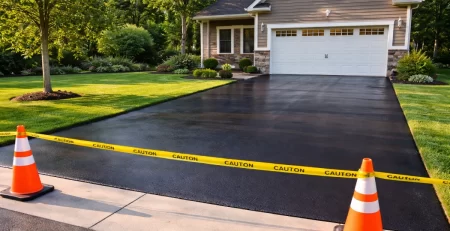
In residential settings, kerbing often defines drive roads, estate access routes and parking areas. These installations help manage vehicle movement while protecting gardens, pathways and drainage systems.
Homeowners and property managers frequently work with domestic contractors to install kerbing alongside surfacing works in private developments.
Commercial and Industrial Sites
Industrial and commercial areas typically experience heavier traffic loads than residential roads. Delivery vehicles, service vans and occasional heavy goods vehicles place significant stress on the edges of road surfaces.
In these environments, robust kerbing systems help maintain the stability of the road structure. Strong edge restraints prevent damage caused by frequent turning movements and loading activities.
Highway and Public Infrastructure
Kerbing is also a fundamental part of larger infrastructure projects. Public roads require carefully engineered kerbing systems that integrate with drainage networks, pedestrian crossings and traffic control measures.
Projects delivered through specialised highway surfacing services often include a range of kerb designs suited to different traffic and safety requirements.
Long-Term Protection for Road Surfaces
A well-constructed road surface is designed to last many years, but its lifespan depends on several factors. Sub-base preparation, material quality, drainage and installation standards all play critical roles. Road edging and kerbing UK installations are another essential element that contributes to long-term performance.
By reinforcing the edges of the surface, kerbs prevent gradual breakdown that can spread across the entire road structure. They help maintain the shape of the surface, manage water flow and improve overall safety.
When these elements are integrated properly into a surfacing project, the result is a road that remains stable, functional and visually organised for many years.
Property owners planning surfacing work often benefit from consulting experienced professionals who can design and install complete surfacing systems. Companies such as Total Surfacing Solutions provide comprehensive support that includes groundwork preparation, surfacing installation and kerbing systems tailored to each project.
By recognising the importance of edging and kerbing as part of the overall road construction process, property owners and site managers can ensure their surfacing projects deliver lasting performance and structural reliability.