Signs Your Road Surface Needs Resurfacing
Road surfaces across the UK are exposed to constant stress from traffic loads, changing weather conditions, and water ingress. Over time, even well-constructed surfaces begin to deteriorate. The challenge for property owners and site managers is knowing when routine maintenance is no longer enough and when resurfacing becomes necessary. Recognising early road resurfacing signs UK sites commonly display allows action to be taken before structural damage spreads into the base layers, where repair costs rise significantly.
Resurfacing at the correct time is not simply about appearance. It plays a critical role in safety, drainage performance, compliance responsibilities, and long-term asset value. Surfaces that are allowed to fail often deteriorate rapidly once the protective wearing course has been compromised, particularly in high-use environments such as car parks, access roads, industrial yards, and shared private roads.
Surface Cracking That Continues to Spread
One of the earliest and most visible road resurfacing signs UK property owners notice is cracking. Not all cracks are equal, and understanding their behaviour is important. Hairline surface cracks may initially appear harmless, but if they begin to lengthen, widen, or form connected patterns, they often indicate deeper structural stress.
Cracks allow water to penetrate the surface and reach lower layers. In the UK climate, freeze-thaw cycles then accelerate deterioration, forcing cracks to expand and weaken the surface further. When cracks are repeatedly repaired but reappear in the same locations, it usually suggests that patching alone is no longer effective and resurfacing should be considered.
Alligator Cracking and Load Stress
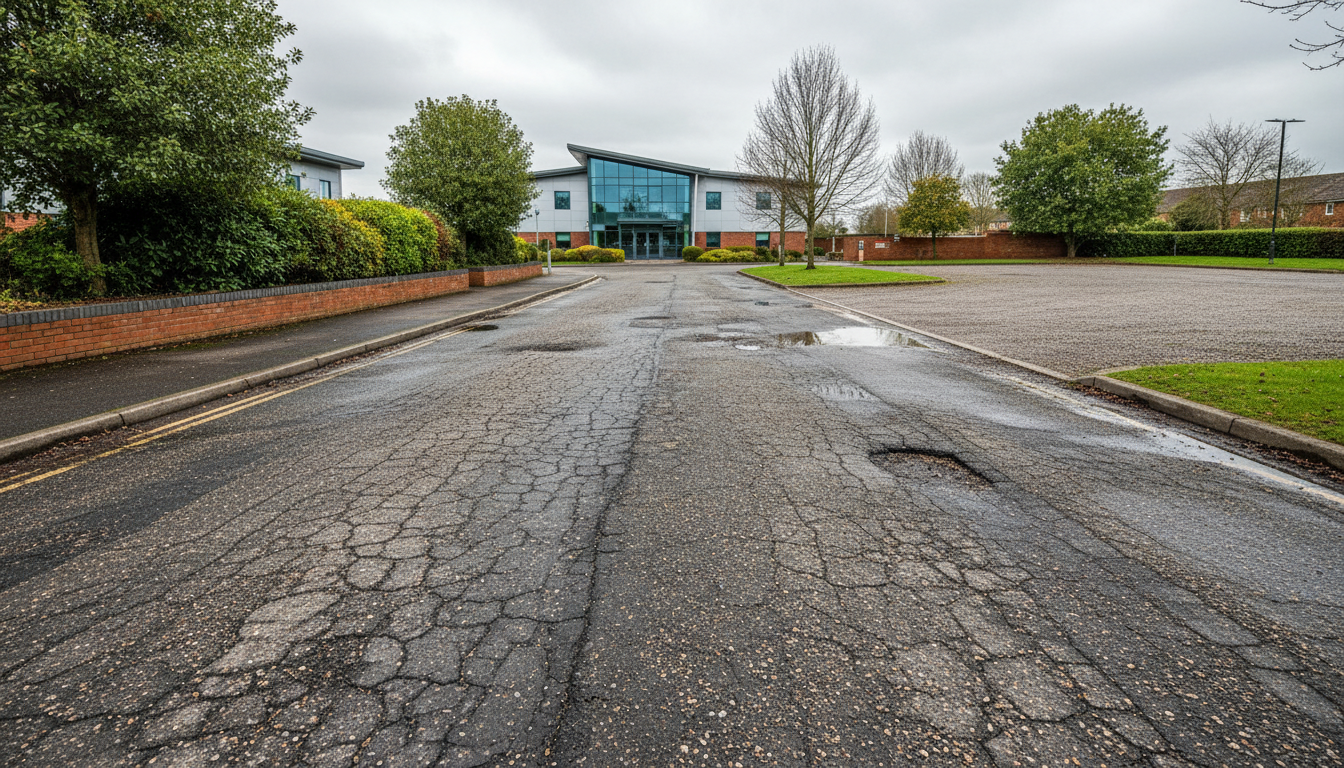
Where cracking forms interconnected patterns resembling scales, this often signals fatigue within the surface layers. This type of damage commonly appears in areas subjected to repeated loading, such as delivery zones or turning areas. Once this pattern emerges, resurfacing is often the most reliable solution to restore structural integrity.
Persistent Potholes and Recurrent Repairs
Potholes are among the most disruptive road resurfacing signs UK sites experience, affecting vehicle safety and daily operations. Occasional potholes can sometimes be addressed through targeted repairs, but frequent reappearance is a clear warning sign. If potholes return after repairs, it suggests that water and traffic are continuing to undermine the surface from beneath.
Repeated reactive repairs may seem cost-effective in the short term, but they rarely provide lasting results when the surface has reached the end of its service life. In these cases, resurfacing offers a more stable and economical long-term solution by renewing the full wearing course and addressing underlying weaknesses.
Uneven Surfaces and Depressions
Changes in surface levels are another indicator that resurfacing may be required. Depressions, rutting, or uneven areas often develop where traffic loads are concentrated or where sub-base movement has occurred. These issues can compromise vehicle control, pedestrian safety, and drainage efficiency.
Uneven surfaces also place additional stress on vehicles and increase the likelihood of standing water forming after rainfall. Where levelling repairs fail to hold, resurfacing allows the surface to be restored to correct levels and gradients, ensuring safe and efficient use.
Standing Water After Rainfall
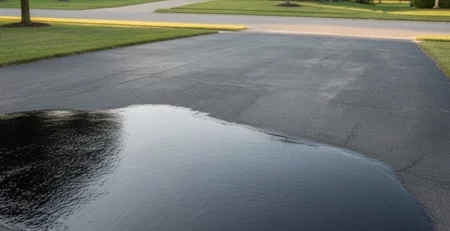
Effective drainage is essential for surface longevity. When water pools on the surface instead of dispersing naturally, it accelerates wear and increases the risk of structural damage. Persistent standing water is one of the most overlooked road resurfacing signs UK property managers encounter.
Pooling often indicates that the surface has lost its original falls or that the material has become impermeable due to age and compaction. Over time, this leads to surface softening, cracking, and pothole formation. Resurfacing provides an opportunity to reinstate proper drainage gradients and restore water run-off performance, particularly when combined with professional tarmac installation techniques.
Fading, Fretting, and Surface Texture Loss
As road surfaces age, the binder holding aggregate together gradually wears away. This process, known as fretting, results in loose stones, reduced skid resistance, and a visibly worn appearance. Fading colour and loss of texture are often dismissed as cosmetic concerns, but they directly affect safety, especially in wet conditions.
When surface texture deterioration becomes widespread, resurfacing is often the safest option. A renewed surface restores grip levels, improves appearance, and reduces ongoing maintenance demands.
Increased Maintenance Frequency and Rising Costs
Another clear indicator is the pattern of maintenance spending. When surface repairs become more frequent and budgets are increasingly allocated to temporary fixes, it is often more economical to resurface. Continual patching rarely addresses root causes and can leave the surface visually inconsistent and structurally vulnerable.
Resurfacing consolidates maintenance efforts into a single, planned intervention, reducing disruption and delivering predictable performance over many years. For commercial and shared access roads, this approach supports safer operations and clearer long-term budgeting.
Impact on Safety and Liability
Worn road surfaces increase the risk of accidents involving vehicles, cyclists, and pedestrians. Loose material, potholes, and uneven levels can all contribute to incidents that expose property owners to liability concerns. From a duty-of-care perspective, ignoring clear road resurfacing signs UK sites present may create avoidable risks.
Resurfacing helps restore compliant, predictable surfaces that reduce trip hazards and vehicle damage. In environments such as schools, business premises, and residential developments, this proactive approach demonstrates responsible site management and commitment to user safety.
Visual Decline and First Impressions
While performance and safety are primary concerns, appearance should not be overlooked. Road surfaces form part of the overall impression of a site. Cracked, patchy, and worn surfaces can reflect poorly on businesses, residential developments, and managed estates.
Resurfacing delivers a uniform, professional finish that enhances kerb appeal and reinforces the perception of a well-maintained property. This can be particularly important where surfaces are part of customer-facing or tenant-accessed environments.
When Professional Assessment Becomes Essential
Recognising individual road resurfacing signs UK properties display is valuable, but understanding how they interact is equally important. Surfaces often show multiple symptoms at once, indicating that deterioration has reached a critical stage. A professional assessment can determine whether resurfacing is required immediately or whether limited repairs remain viable.
Engaging experienced commercial surfacing contractors ensures that decisions are based on structural condition rather than surface appearance alone. This approach supports cost-effective planning and avoids unnecessary disruption.
Planning Resurfacing to Minimise Disruption
Timing resurfacing works effectively is essential for busy sites. Planned resurfacing allows access routes to remain operational where possible and reduces unexpected downtime caused by emergency repairs. For many property owners, resurfacing during quieter operational periods provides the best balance between continuity and surface performance.
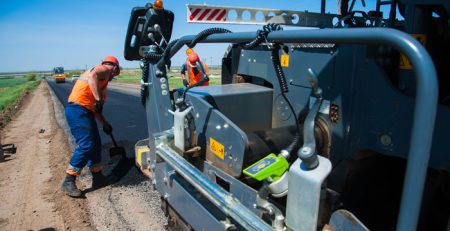
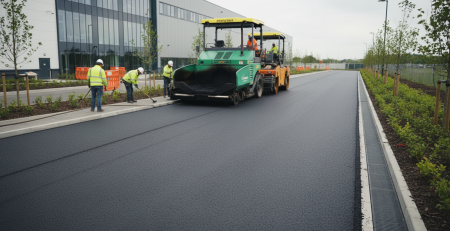
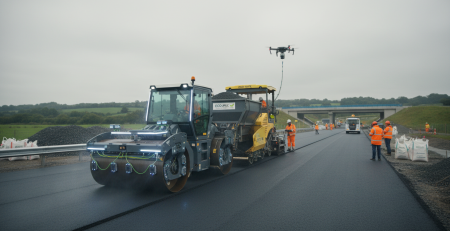
Resurfacing can also be combined with improvements such as enhanced drainage detailing or machine-laid finishes, particularly where long-term durability is a priority. Techniques such as machine laid tarmac provide consistent compaction and surface quality, supporting extended service life.
Long-Term Benefits of Acting at the Right Time
Addressing road resurfacing signs UK sites exhibit at the correct stage protects the underlying structure and maximises return on investment. Surfaces that are resurfaced before failure typically last longer and perform more reliably than those left until severe damage occurs.
By monitoring surface condition, responding to early warning signs, and seeking professional guidance, property owners and site managers can maintain safe, durable, and visually consistent road surfaces that support daily use for years to come.