Road Surfacing Maintenance Tips for Long-Term Performance
Road surfaces across the UK are exposed to a demanding combination of weather conditions, traffic loads, and environmental wear. Regular use by vehicles of varying weights, combined with seasonal temperature changes and persistent rainfall, places constant stress on surfacing materials. Without a structured approach to road surfacing maintenance UK property owners often find that small defects develop into more serious problems that are costly to resolve.
Maintenance is not simply about preserving appearance. It plays a critical role in ensuring safety, maintaining drainage performance, and protecting the structural integrity of the surface. Well-maintained roads reduce the risk of accidents, support smooth vehicle movement, and minimise disruption to residents, customers, or site operations. For commercial and residential site managers alike, proactive maintenance is a practical investment rather than an optional extra.
Understanding How Road Surfaces Deteriorate
All road surfaces deteriorate over time, even when installed to a high standard. Understanding how and why this happens helps property owners recognise the importance of ongoing care.
Traffic Load and Usage Patterns
The weight and frequency of traffic using a road surface has a direct impact on its lifespan. Areas subject to frequent turning movements, braking, or slow-moving heavy vehicles experience higher levels of stress. Industrial sites, car parks, and access roads serving commercial premises often show wear more quickly than lightly used residential routes. Without maintenance, this wear can lead to surface deformation, cracking, and eventual structural failure.
Weather and Environmental Factors
The UK climate is a significant contributor to surface wear. Rainwater that penetrates small cracks can weaken the base layers, particularly during colder months when freeze-thaw cycles occur. Prolonged damp conditions encourage surface breakdown, while summer heat can soften bituminous materials, making them more vulnerable to deformation. Road surfacing maintenance UK strategies must account for these environmental pressures to remain effective.
Drainage Performance and Water Ingress
Poor drainage is one of the most common causes of premature road failure. Standing water accelerates surface deterioration and increases the risk of potholes forming. Even well-laid surfaces will degrade faster if water is not directed away efficiently. Maintenance inspections should always consider how effectively surface water is being managed across the site.
Routine Inspections as a Maintenance Foundation
Regular inspections are the cornerstone of effective road surfacing maintenance UK practices. Identifying issues early allows for targeted repairs before defects escalate.
Scheduled visual inspections should assess surface condition, looking for early signs of cracking, fretting, or depressions. Attention should be paid to joints, edges, and high-stress areas such as entrances and turning circles. These inspections are particularly important after winter, when weather-related damage is most likely to emerge.
Professional inspections offer additional value by identifying underlying structural concerns that may not be immediately visible. Experienced contractors can assess whether defects are superficial or indicative of deeper problems within the base layers.
Addressing Minor Defects Promptly
Small defects rarely remain small if left untreated. Prompt attention to minor issues is one of the most cost-effective road surfacing maintenance UK measures available.
Crack Sealing and Surface Repairs
Cracks allow water to penetrate the surface, accelerating deterioration. Sealing cracks early helps prevent moisture ingress and reduces the risk of pothole formation. Surface repairs carried out at the right time can significantly extend the service life of a road without the need for extensive resurfacing.
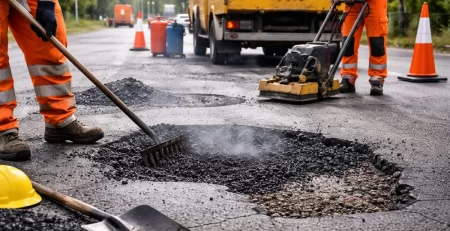
Targeted repairs, such as those provided through professional pothole repairs restore safety and functionality while preserving the surrounding surface. These interventions are particularly valuable in high-traffic environments where surface defects pose immediate risks.
Edge Protection and Kerb Maintenance
Edges are often the weakest part of a road surface, especially where there is no kerb support. Erosion at the edges can lead to surface collapse and widening damage. Maintenance should include monitoring edge conditions and ensuring that adjacent features provide adequate structural support.
Cleaning and Surface Care
Keeping road surfaces clean may seem cosmetic, but it plays a practical role in long-term performance. Debris, oil spills, and organic matter can all contribute to surface degradation if not addressed.
Regular sweeping removes loose material that can abrade the surface under traffic. Oil and fuel spills should be cleaned promptly, as hydrocarbons can soften bituminous materials and accelerate wear. In shaded or damp areas, the removal of moss and algae helps maintain surface texture and reduces slip risks.
Managing Drainage as Part of Maintenance
Effective drainage management is inseparable from road surfacing maintenance UK strategies. Even a well-maintained surface will fail prematurely if water is allowed to accumulate.
Drainage channels, gullies, and surface falls should be inspected and cleared regularly to ensure free flow of water. Blocked drainage systems can cause water to pool, increasing surface wear and undermining the sub-base. Maintenance plans should include routine checks of drainage features, particularly during autumn when leaves and debris are more likely to cause blockages.
Where drainage performance is consistently poor, it may be necessary to consider remedial works that improve water management across the site. Addressing drainage issues early reduces the likelihood of structural damage and extends the lifespan of the surface.
Periodic Surface Treatments and Resurfacing
Over time, even with diligent maintenance, road surfaces will require more substantial intervention. Periodic surface treatments and resurfacing play an important role in long-term asset management.
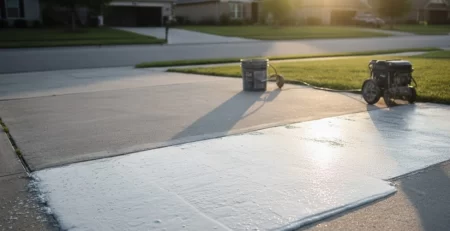
Surface treatments can refresh the wearing course, improve skid resistance, and seal minor imperfections. These treatments are particularly effective when applied before significant deterioration has occurred. Full resurfacing may be required when the surface has reached the end of its serviceable life, but regular maintenance can delay this point considerably.
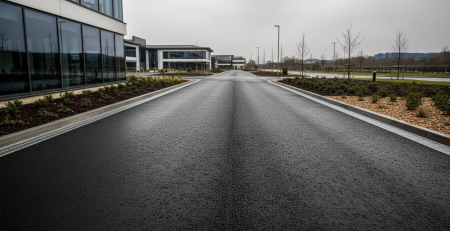
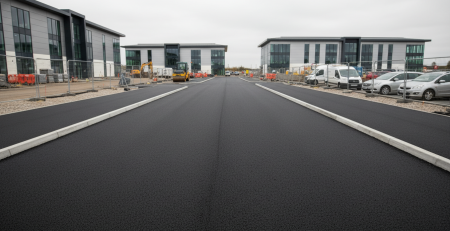
Professional installation methods, including high-quality tarmac installation ensure that resurfacing works provide durable results that integrate seamlessly with existing infrastructure. Choosing experienced contractors helps ensure that resurfacing is planned and executed with minimal disruption.
Tailoring Maintenance to Site Type
Different environments place different demands on road surfaces, and maintenance strategies should reflect this.
Commercial and Industrial Sites
Commercial premises and industrial yards often experience heavy traffic and frequent manoeuvring. Maintenance plans for these sites should prioritise high-stress areas and include more frequent inspections. Working with experienced commercial surfacing contractors ensures that maintenance approaches are appropriate for operational demands and safety requirements.
Residential and Private Roads
Residential roads and private estates typically experience lighter traffic but still require consistent care. Surface defects can impact resident safety and property appearance. Engaging reputable domestic contractors helps ensure that maintenance work is carried out efficiently and with minimal inconvenience.
Public and Shared Access Routes
Shared access roads serving schools, healthcare facilities, or mixed-use developments require careful maintenance planning to maintain accessibility and safety. Surface condition, drainage performance, and clear signage all contribute to effective long-term management.
Planning a Long-Term Maintenance Strategy
A structured maintenance strategy provides clarity and cost control for property owners and site managers. Rather than reacting to failures, planned maintenance allows for predictable budgeting and reduced disruption.
A long-term approach should consider expected traffic levels, environmental exposure, and the original construction method. Documenting inspection findings and repair history supports informed decision-making and helps identify patterns of wear. Over time, this information can guide resurfacing schedules and investment planning.
Professional advice can be valuable when developing a maintenance strategy, particularly for larger or more complex sites. Contractors with experience across a range of environments can provide guidance tailored to specific operational needs.
The Role of Professional Support in Ongoing Maintenance
While some aspects of surface care can be managed in-house, professional support remains essential for effective road surfacing maintenance UK outcomes. Skilled contractors bring technical knowledge, specialist equipment, and an understanding of regulatory requirements.
Regular collaboration with a trusted surfacing provider ensures that maintenance interventions are timely and appropriate. It also provides reassurance that works are carried out to a standard that supports safety, durability, and compliance.
Road surfacing is a significant asset for any property or site. Protecting that asset through consistent, informed maintenance helps ensure reliable performance, reduced long-term costs, and safer access for all users.