Common Road Surfacing Mistakes to Avoid
Road surfacing is often viewed as a straightforward construction task, but in practice it involves a complex combination of ground preparation, material selection, drainage design, installation technique, and aftercare. Many road surfacing mistakes UK property owners encounter stem from underestimating this complexity. When projects are rushed, poorly specified, or carried out by inexperienced contractors, problems tend to appear far sooner than expected.
For commercial site managers and property owners, these mistakes can lead to repeated repairs, safety concerns, and unnecessary expenditure. Understanding where things commonly go wrong is the first step towards achieving a surface that performs reliably over many years rather than becoming a recurring problem.
Inadequate Site Preparation
One of the most common road surfacing mistakes UK contractors encounter is insufficient preparation of the underlying ground. The surface layer may look smooth and well-finished initially, but without a stable foundation it is unlikely to last.
Weak Sub-Base Construction
The sub-base provides the structural strength of any road or access surface. If it is too thin, poorly compacted, or made from unsuitable materials, the finished surface will flex under traffic loads. Over time this movement leads to cracking, rutting, and surface deformation. This is particularly problematic in areas that experience frequent deliveries, refuse vehicles, or plant traffic.
Professional contractors invest time in assessing ground conditions and installing an appropriate sub-base depth to suit the expected traffic levels. Skipping this stage is a false economy that often results in premature surface failure.
Poor Compaction Practices
Even when the correct materials are used, inadequate compaction can undermine the entire installation. Loose or uneven layers allow water to penetrate and weaken the structure from below. In the UK climate, where freeze-thaw cycles are common, this can quickly accelerate deterioration.
Ignoring Drainage Requirements
Drainage is a critical but frequently overlooked element of road surfacing projects. Water is one of the most damaging factors affecting asphalt and tarmac surfaces, yet many road surfacing mistakes UK projects suffer from relate directly to poor water management.
Standing Water on the Surface
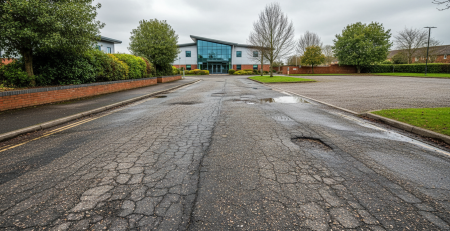
If a surface is not laid to the correct falls, water will pool rather than run off. Standing water seeps into joints and microscopic cracks, gradually breaking down the binder and weakening the surface. Over time this can lead to potholes and edge failure, particularly during colder months.
Sub-Surface Water Issues
In some cases, water problems originate below the surface. Without proper drainage channels or permeable layers, groundwater can build up beneath the road. This pressure undermines the sub-base and causes the surface to flex and crack under load.
Experienced contractors integrate drainage solutions into the design stage rather than treating them as an afterthought.
Choosing the Wrong Surfacing Material
Another frequent cause of road surfacing mistakes UK property owners experience is selecting materials based solely on initial cost rather than suitability.
Mismatch Between Surface and Usage
Different environments demand different surfacing solutions. A lightly used private access road has very different requirements to a commercial yard or industrial estate road. Installing a surface that is not designed for heavy traffic often results in rapid wear and deformation.
Professional advice at the planning stage helps ensure that the chosen material is appropriate for both current use and future demands.
Overlooking Long-Term Performance
While cheaper materials may appear attractive initially, they often require more frequent maintenance and repairs. Over the lifespan of the surface, this can make them significantly more expensive than higher-quality alternatives installed correctly from the outset.
Poor Installation Techniques
Even with good preparation and the right materials, poor workmanship during installation can undermine the entire project. Many road surfacing mistakes UK sites suffer from are directly linked to how the surface is laid.
Inconsistent Surface Levels
Uneven thickness across the surface creates weak spots that wear faster than surrounding areas. These low points often become the first locations where water collects and damage begins.
Hand-Laying Where Machine Laying Is Required
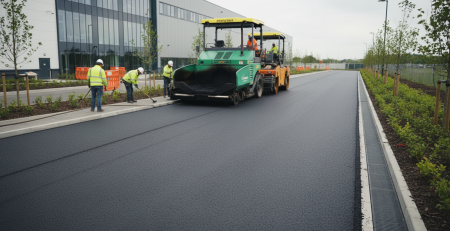
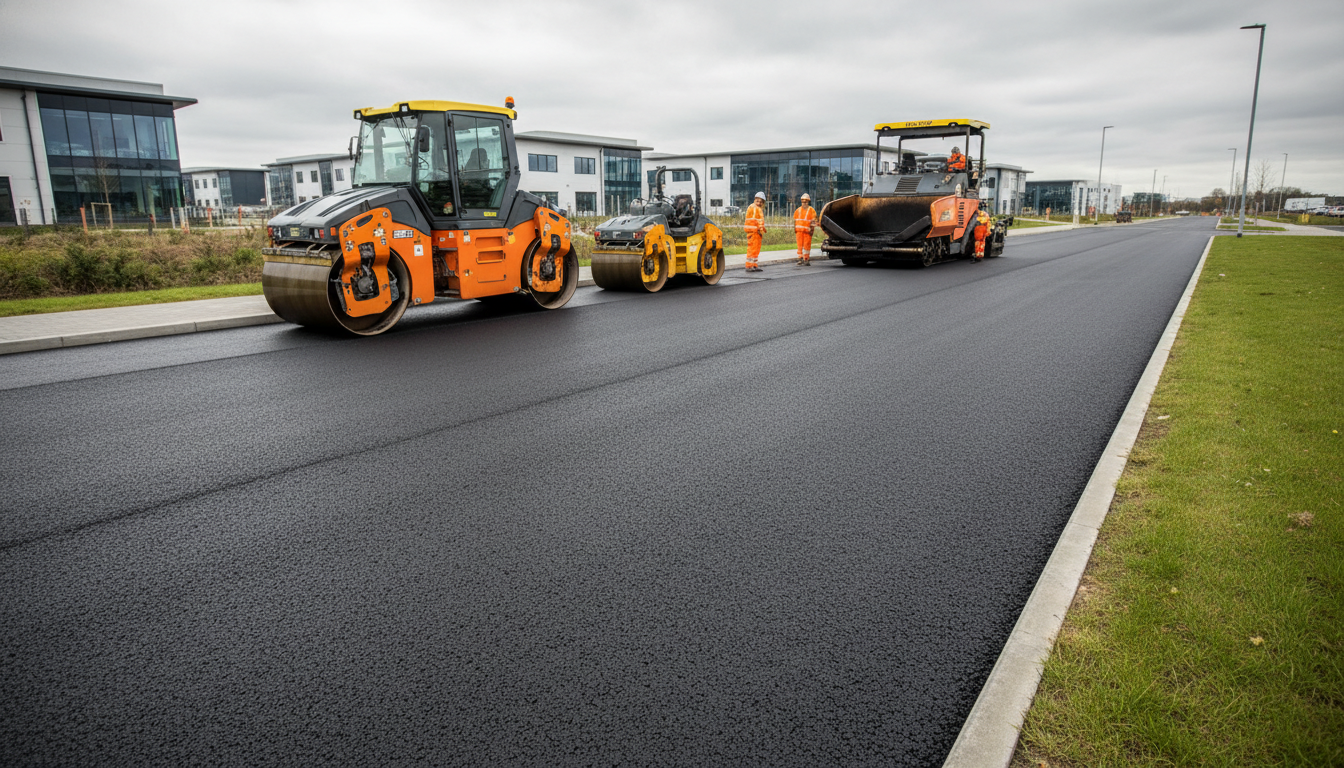
For larger or heavily trafficked areas, machine laying provides a more consistent and durable finish. Surfaces that would benefit from machine laid tarmac but are instead laid by hand often show variations in compaction and thickness, which can reduce their lifespan.
Cutting Corners on Edges and Joints
Edges and joints are particularly vulnerable areas on any road surface. When these details are rushed or poorly finished, deterioration often begins here before spreading across the surface.
Unprotected edges can crumble under traffic, especially where vehicles regularly turn or mount kerbs. Similarly, poorly sealed joints allow water ingress, leading to cracking and surface breakdown. Attention to these details is a hallmark of professional road surfacing and should never be overlooked.
Failing to Address Minor Defects Early
Many road surfacing mistakes UK property owners make occur after installation rather than during it. Small cracks, surface fretting, or early signs of wear are often ignored until they develop into more serious problems.
Timely intervention using professional pothole repairs and surface treatments can significantly extend the life of a road. Allowing defects to worsen usually results in more extensive and costly remedial work later on.
Using Inexperienced or Unsuitable Contractors
Choosing a contractor based solely on price is one of the most significant road surfacing mistakes UK clients can make. Road surfacing requires specialist knowledge, appropriate equipment, and experience across different environments.
Lack of Proper Assessment
Inexperienced contractors may fail to carry out thorough site assessments, leading to incorrect specifications and unsuitable construction methods. This often results in surfaces that look acceptable initially but deteriorate quickly under normal use.
Limited Understanding of Commercial Requirements
Commercial and public access roads are subject to higher usage, stricter safety considerations, and compliance requirements. Working with established commercial surfacing contractors helps ensure that these factors are properly accounted for from the outset.
Overlooking Compliance and Safety Considerations
Safety and compliance are essential aspects of any road surfacing project, yet they are sometimes neglected during planning and installation. Inadequate surface texture, poor line definition, or incorrect gradients can all create hazards for vehicles and pedestrians.
For property owners and site managers, these issues can lead to liability concerns as well as increased maintenance demands. Professional contractors understand current standards and ensure that surfaces are constructed with safety and usability in mind.
Lack of Long-Term Maintenance Planning
Even the best-installed road surface requires ongoing care. A common road surfacing mistake UK property owners encounter is assuming that a new surface will remain maintenance-free indefinitely.
Regular inspections, prompt repairs, and sensible traffic management all play a role in preserving surface quality. Incorporating maintenance planning into the initial project helps protect the investment and avoid unexpected costs.
Learning from Proven Projects
One of the most effective ways to avoid common road surfacing mistakes UK clients face is to learn from proven examples. Reviewing completed projects and understanding how different solutions perform in real-world conditions provides valuable insight into what works and what does not. Examining professional case studies can help property owners make more informed decisions when planning their own surfacing works.
Avoiding Mistakes Through Professional Planning
Most road surfacing mistakes are preventable with proper planning, experienced contractors, and a clear understanding of how the surface will be used over time. By focusing on preparation, drainage, material choice, and installation quality, property owners can achieve durable, safe, and cost-effective results.
Taking a measured approach and seeking professional guidance reduces the risk of recurring issues and ensures that the finished surface delivers long-term performance rather than short-term appearance.