Why Proper Sub-Base Preparation Is Critical for Long-Lasting Road Surfacing
When discussing road surfacing sub-base UK standards, many property owners focus primarily on the visible surface layer. However, what lies beneath the tarmac or asphalt plays a far more important role in long-term performance than most people realise.
The sub-base is the structural foundation layer installed between the natural ground and the finished surface course. It distributes traffic loads evenly, prevents movement within the ground below, and supports drainage. Without a properly constructed sub-base, even the highest-quality surface materials will fail prematurely.
For commercial access roads, car parks, industrial yards and private estates, the sub-base is not simply a preparatory step. It is the structural backbone of the entire installation.
Why Sub-Base Preparation Is So Important in the UK
Ground Conditions Across the UK
The UK presents challenging ground conditions for surfacing projects. Clay-heavy soils, high rainfall levels, frost cycles and variable drainage all contribute to ground movement and moisture retention. These environmental factors place stress on poorly prepared foundations.
A correctly specified and installed sub-base ensures stability in areas with softer ground conditions, which is especially important for developments in counties such as Hertfordshire and Cambridgeshire, where soil composition can vary significantly between sites.
Load-Bearing Requirements
Every road surface must cope with weight and repeated traffic movement. A private residential access road will experience different stresses compared to a commercial yard used by delivery vehicles and HGVs.
The sub-base layer absorbs and distributes these loads. Without sufficient depth and proper compaction, pressure transfers directly to weak ground below, leading to rutting, sinking and cracking in the finished surface.
Professional commercial surfacing contractors understand that durability begins below ground level, not at the surface.
The Layers Beneath a Road Surface
Understanding how a road is constructed clarifies why the sub-base plays such a vital role.
Formation Layer
The formation is the prepared natural ground. It must be properly excavated, levelled and compacted to create a stable platform. Any soft spots must be identified and treated before further layers are added.
Sub-Base Layer
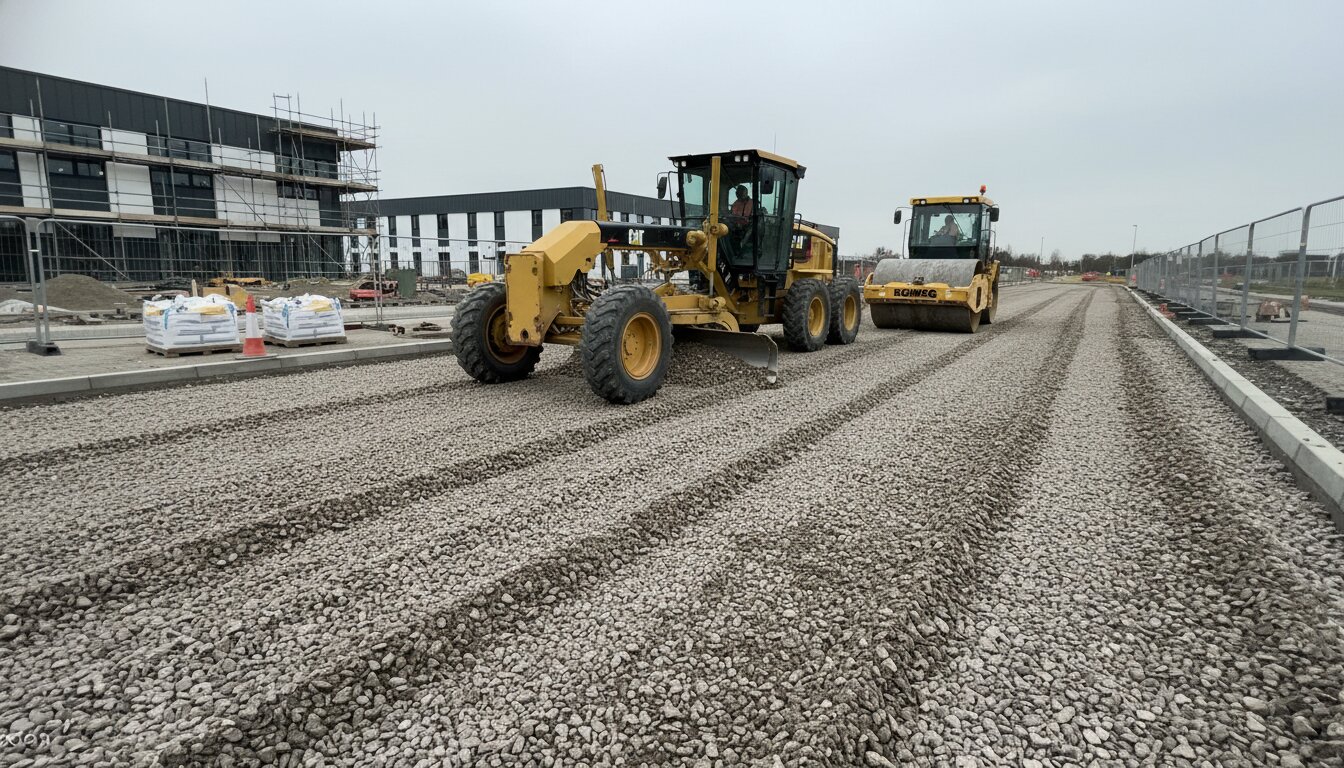
The sub-base is typically constructed using MOT Type 1 or similar crushed aggregate. This material compacts tightly to create a stable, load-bearing platform. The depth of this layer depends on expected traffic levels and ground conditions.
For heavy-use areas such as industrial estates or school grounds, sub-base depth may be significantly greater than that used for light residential access roads.
Binder and Surface Courses
Once the sub-base is installed and compacted, binder and surface layers are applied. These upper layers form the visible finished surface, often installed through professional tarmac installation road surfacing services.
However, even a perfectly laid surface course cannot compensate for inadequate groundwork.
What Happens When Sub-Base Preparation Is Poor?
Cutting corners during sub-base preparation is one of the most common causes of early surface failure.
Cracking and Surface Movement
If the sub-base is uneven, insufficiently compacted or too thin, movement occurs beneath the surface. Over time, this leads to cracking and surface fatigue. These cracks allow water penetration, which accelerates deterioration.
Standing Water and Drainage Issues
Improperly prepared sub-bases often lack appropriate grading. This results in poor surface water runoff and standing water. In the UK climate, freeze-thaw cycles can then expand trapped moisture, weakening the structure further.
For projects that require careful water management, professional planning alongside highway surfacing standards is essential.
Pothole Formation
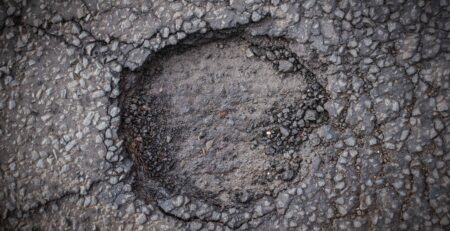
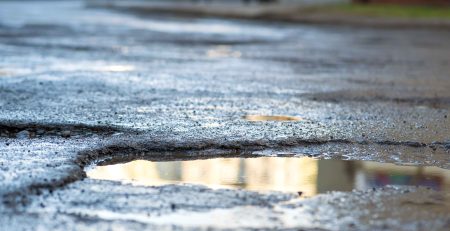
Potholes frequently originate from weaknesses in the lower layers rather than surface wear alone. When traffic repeatedly passes over compromised areas, material breaks away, creating depressions.
Timely pothole repairs address surface damage, but long-term prevention depends on solid sub-base construction.
Key Factors in Sub-Base Installation
Correct Excavation Depth
Excavation must account for the full construction depth required. Insufficient digging results in reduced sub-base thickness, which compromises load distribution. Excess excavation, on the other hand, can increase costs unnecessarily.
A site assessment determines the correct specification before works begin.
Quality of Materials
Using certified aggregate materials ensures consistency and structural integrity. Inferior materials may contain excessive fines or contaminants that weaken compaction.
Reliable domestic contractors and commercial teams follow British Standards when sourcing materials for surfacing projects.
Proper Compaction
Compaction is not simply a quick pass with a roller. It involves multiple passes with appropriate machinery to achieve the required density. Failure to compact adequately leaves voids within the sub-base, increasing the risk of settlement.
In larger projects, machine-laid systems such as machine lay tarmac rely on a stable foundation to deliver a uniform finish.
Drainage Integration
Sub-base layers often incorporate geotextiles or drainage measures where ground conditions demand additional control. Without proper drainage planning, even thick sub-base layers may struggle against persistent moisture.
In public and education settings, such as projects completed through education surfacing, careful drainage consideration ensures long-term safety and compliance.
Sub-Base Depth Guidelines for Different Applications
The required sub-base specification varies depending on usage.
Residential drive roads and private estates typically require a moderate depth suitable for cars and light vans. Commercial premises, including loading areas and service yards, demand greater depth to withstand heavier vehicles. Industrial sites and high-traffic access roads often require reinforced sub-base construction to maintain structural integrity under constant stress.
Professional contractors assess each project individually rather than applying a single standard specification.
How Professional Planning Protects Your Investment
Road surfacing projects represent a significant investment for property owners and site managers. The visible surface may appear smooth and finished within days, but its lifespan is directly linked to groundwork quality.
Thorough site investigation, ground testing and correct material specification all contribute to a stable sub-base. Experienced teams serving areas such as Bedfordshire and Essex understand how local conditions influence design decisions.
Planning is particularly important when managing multi-phase developments or larger estates. Reviewing completed case studies can help property managers understand how structured groundwork contributes to long-term performance.
Signs Your Sub-Base May Be Failing
Even if the surface appears intact initially, early warning signs often indicate underlying problems.
Uneven sections, minor depressions and water pooling suggest settlement beneath the surface. Hairline cracks spreading in patterns may indicate structural stress. Areas that feel slightly unstable under vehicle weight often signal inadequate compaction.
Addressing these issues early can prevent more extensive reconstruction later.
The Long-Term Cost of Skipping Proper Preparation
Reducing sub-base depth or omitting proper compaction may lower upfront installation costs, but it increases long-term maintenance expenses.
Premature resurfacing, repeated patching and operational disruption quickly outweigh any initial savings. For commercial premises, surface failure can also raise safety concerns and liability risks.
Investing in correct road surfacing sub-base UK standards protects not only the surface itself but also the surrounding infrastructure and operational continuity of the site.
Conclusion
The success of any surfacing project begins below ground level. A well-constructed sub-base ensures stability, effective drainage and long-term durability under UK conditions.
For property owners and commercial managers, understanding the importance of road surfacing sub-base UK preparation helps inform better decisions during planning and contractor selection. While the surface layer provides the visual finish, the unseen groundwork ultimately determines whether that finish lasts for years or begins to fail prematurely.