Sustainable Road Surfacing Options in the UK
Sustainable road surfacing UK practices focus on reducing environmental impact while maintaining performance, safety, and longevity. For property owners and commercial site managers, sustainability is no longer limited to environmental ethics. It has become a practical consideration tied to regulatory compliance, long-term cost control, and asset durability. Roads, access routes, and shared surfaces are long-term infrastructure investments, and the materials and methods chosen today influence maintenance needs and environmental impact for decades.
In the UK, sustainability in road surfacing typically centres on responsible material sourcing, efficient installation methods, and designs that support drainage and surface longevity. Climate conditions, including frequent rainfall and temperature fluctuations, make it essential that sustainable options still meet high performance standards. Poorly designed eco-focused surfacing can fail prematurely, leading to increased repairs and higher carbon output over time.
Why Sustainability Matters in Road Surfacing Projects
Environmental responsibility is increasingly influencing planning decisions across commercial and residential developments. Sustainable surfacing reduces waste, minimises the use of virgin materials, and can significantly lower carbon emissions during installation and throughout the surface lifecycle. For businesses and organisations managing large sites, this approach also supports corporate responsibility policies and environmental reporting requirements.
From a practical perspective, sustainability also aligns with durability. Long-lasting surfaces reduce disruption, limit repair costs, and prevent repeated material use. When road surfacing is designed to perform efficiently in the UK climate, the environmental benefit extends beyond installation and continues throughout the life of the surface.
Recycled Materials in Sustainable Road Surfacing
One of the most established sustainable road surfacing UK methods involves the use of recycled materials. Reclaimed asphalt planings are frequently reused within new surfacing layers, reducing the need for fresh aggregates and lowering transport-related emissions. When processed and installed correctly, recycled materials perform to the same standards as traditional alternatives.
Modern surfacing techniques allow recycled content to be incorporated without compromising surface strength or finish. This approach is particularly effective for commercial access roads, service yards, and private estates where durability and environmental responsibility must coexist. Professional contractors experienced in tarmac installation ensure recycled materials are blended and compacted correctly to achieve consistent performance.
Permeable Surfacing and Sustainable Drainage
Water management is a critical factor in sustainable road surfacing. Poor drainage contributes to surface degradation, standing water, and increased maintenance requirements. Permeable surfacing solutions allow water to pass through the surface and drain naturally into the ground below, reducing runoff and pressure on drainage systems.
In the UK, permeable surfacing is particularly beneficial for developments where surface water management is a planning consideration. Car parks, residential access roads, and light-use commercial areas can all benefit from permeable designs. When installed correctly, these systems help prevent flooding while extending surface life by reducing water-related damage.
Low-Temperature Asphalt Solutions
Traditional asphalt production involves high temperatures, contributing significantly to carbon emissions. Sustainable road surfacing UK projects increasingly incorporate low-temperature asphalt technologies that reduce energy consumption during manufacture and installation. These materials allow asphalt to be laid at lower temperatures without affecting compaction or performance.
Lower temperature installation improves working conditions and reduces environmental impact without compromising surface quality. For site managers planning surfacing works with minimal disruption, this approach also allows more flexible scheduling while maintaining sustainability goals.
Machine-Laid Surfacing for Consistency and Efficiency
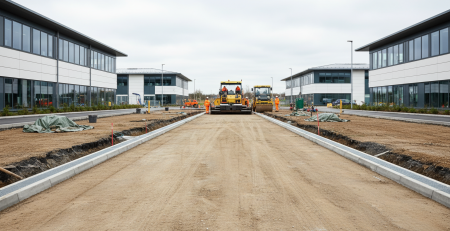
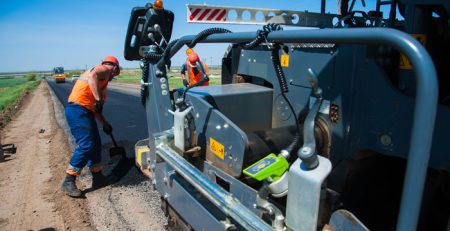
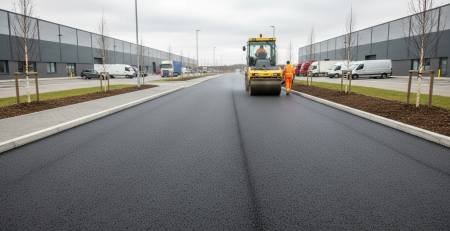
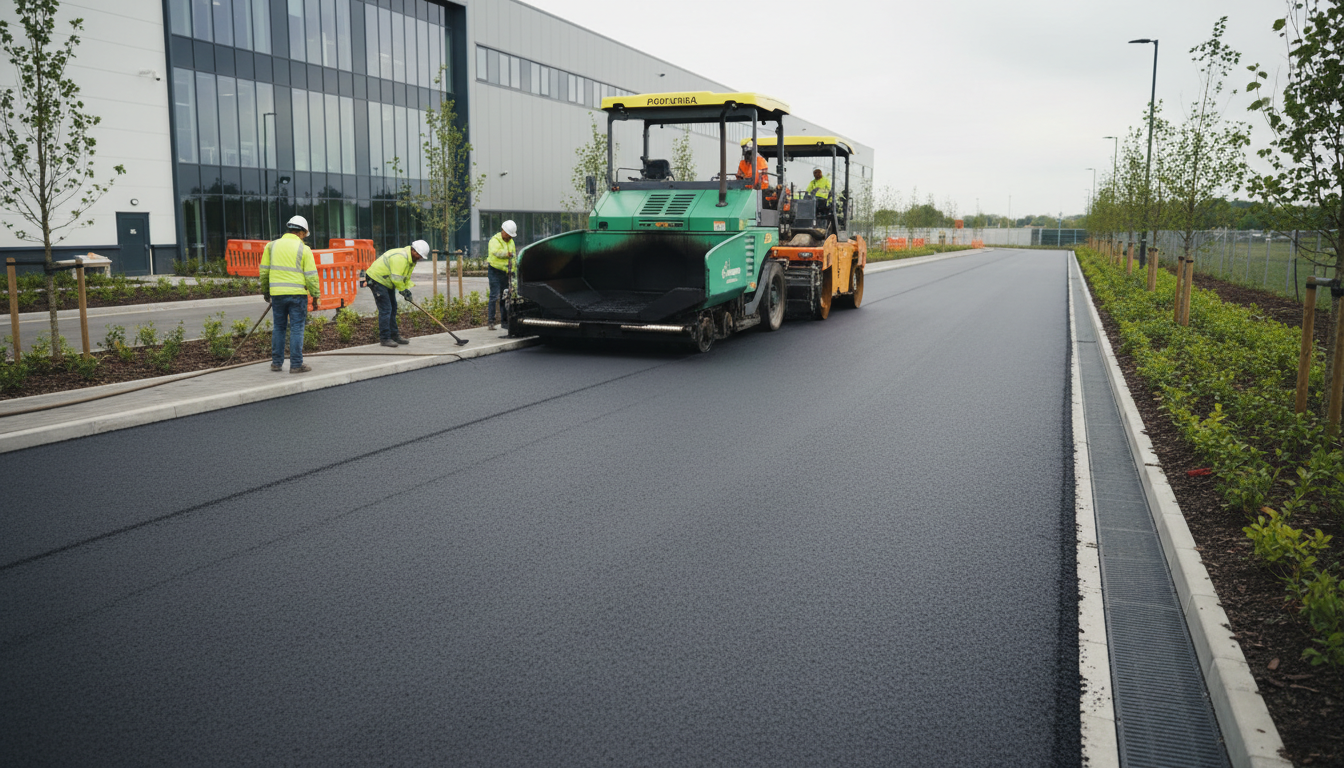
Installation methods play a crucial role in sustainable outcomes. Machine-laid surfacing delivers a consistent finish that improves durability and reduces the likelihood of premature surface failure. Uniform compaction ensures the surface resists water ingress, cracking, and deformation, all of which contribute to unnecessary repairs and material waste.
Machine installation also improves efficiency, reducing installation time and associated emissions from plant and labour. For larger sites, professional machine-laid tarmac offers a sustainable balance between performance, longevity, and environmental responsibility.
Longevity as a Key Sustainability Factor
A truly sustainable road surface is one that lasts. While initial material choices are important, long-term performance has the greatest environmental impact. Surfaces that fail prematurely require repairs, resurfacing, and additional materials, all of which increase carbon output.
Proper site preparation, correct material selection, and professional installation are essential to achieving sustainable longevity. Contractors experienced in large-scale and specialist projects, such as commercial surfacing contractors, understand how to design surfaces that perform reliably under expected traffic loads and environmental conditions.
Sustainable Surfacing for Different Site Types
Sustainable solutions must be adapted to the specific requirements of each site. Industrial yards require robust construction capable of handling heavy traffic, while residential developments often prioritise visual integration alongside performance. Educational facilities and public spaces must balance safety, accessibility, and environmental responsibility.
Professional surfacing contractors assess traffic volume, usage patterns, and ground conditions before recommending sustainable options. This tailored approach ensures the chosen solution delivers environmental benefits without sacrificing performance or safety.
Maintenance Planning and Environmental Responsibility
Ongoing maintenance is a vital component of sustainable road surfacing UK strategies. Proactive maintenance prevents small defects from developing into major failures that require extensive repairs. Addressing surface wear early reduces material use and extends surface lifespan.
Effective maintenance includes monitoring drainage performance, addressing surface cracking promptly, and scheduling periodic inspections. For sites where minor damage occurs, timely pothole repairs help preserve the integrity of the surface and prevent water ingress that accelerates deterioration.
Regulatory Considerations and Sustainable Compliance
UK road surfacing projects must comply with national and local standards that increasingly reflect environmental priorities. Sustainable materials and methods can support compliance with planning conditions and environmental policies, particularly for new developments and large-scale refurbishments.
Working with experienced contractors ensures sustainable solutions are aligned with regulatory requirements. This approach reduces the risk of remedial works and supports long-term site compliance.
The Role of Professional Contractors in Sustainable Outcomes
Sustainable road surfacing is not achieved through materials alone. Contractor expertise is central to ensuring correct design, preparation, and installation. Poor workmanship undermines sustainability by shortening surface lifespan and increasing maintenance demands.
Experienced contractors provide informed guidance on suitable materials, installation techniques, and maintenance strategies. Reviewing completed case studies offers valuable insight into how sustainable surfacing performs in real-world UK environments.
Making Informed Decisions About Sustainable Road Surfacing
For property owners and site managers, sustainable road surfacing UK solutions represent a long-term investment rather than a short-term trend. The most effective approach balances environmental responsibility with durability, safety, and cost efficiency.
By selecting appropriate materials, prioritising professional installation, and planning for ongoing maintenance, sustainable road surfaces can deliver reliable performance while reducing environmental impact. When sustainability is integrated into the entire surfacing process, from planning through to long-term care, the result is infrastructure that performs responsibly throughout its lifespan.