Tarmac vs Asphalt: Best Choice for Road Surfacing
Tarmac and asphalt are often used interchangeably in everyday conversation, but they are not the same material. For UK property owners and site managers planning surfacing works, understanding the distinction is essential to making the right long-term decision.
Tarmac, short for tarmacadam, is traditionally made from crushed stone bound together with tar or bitumen. Modern tarmac used in the UK relies on bitumen as the binder, producing a strong and flexible surface well suited to a range of environments. Asphalt is also a mixture of aggregates and bitumen, but it generally contains a higher proportion of stone and is laid at greater thicknesses, particularly for heavy-duty applications.
While both materials are widely used in road construction, access roads, and car parks, their performance characteristics differ. The right choice depends on traffic levels, usage patterns, installation environment, and maintenance expectations rather than appearance alone.
How Tarmac Road Surfacing Performs in UK Conditions
The UK climate presents consistent challenges for any external surface. Frequent rainfall, seasonal temperature changes, and freeze-thaw cycles place ongoing stress on road surfaces. Tarmac road surfacing UK projects are often specified because the material copes well with these conditions.
Tarmac’s flexibility allows it to expand and contract as temperatures change, reducing the risk of cracking. Its smooth finish also helps water drain efficiently towards installed drainage systems, limiting standing water that can weaken the sub-base over time. When installed correctly, tarmac provides a durable surface capable of handling everyday vehicle traffic without excessive wear.
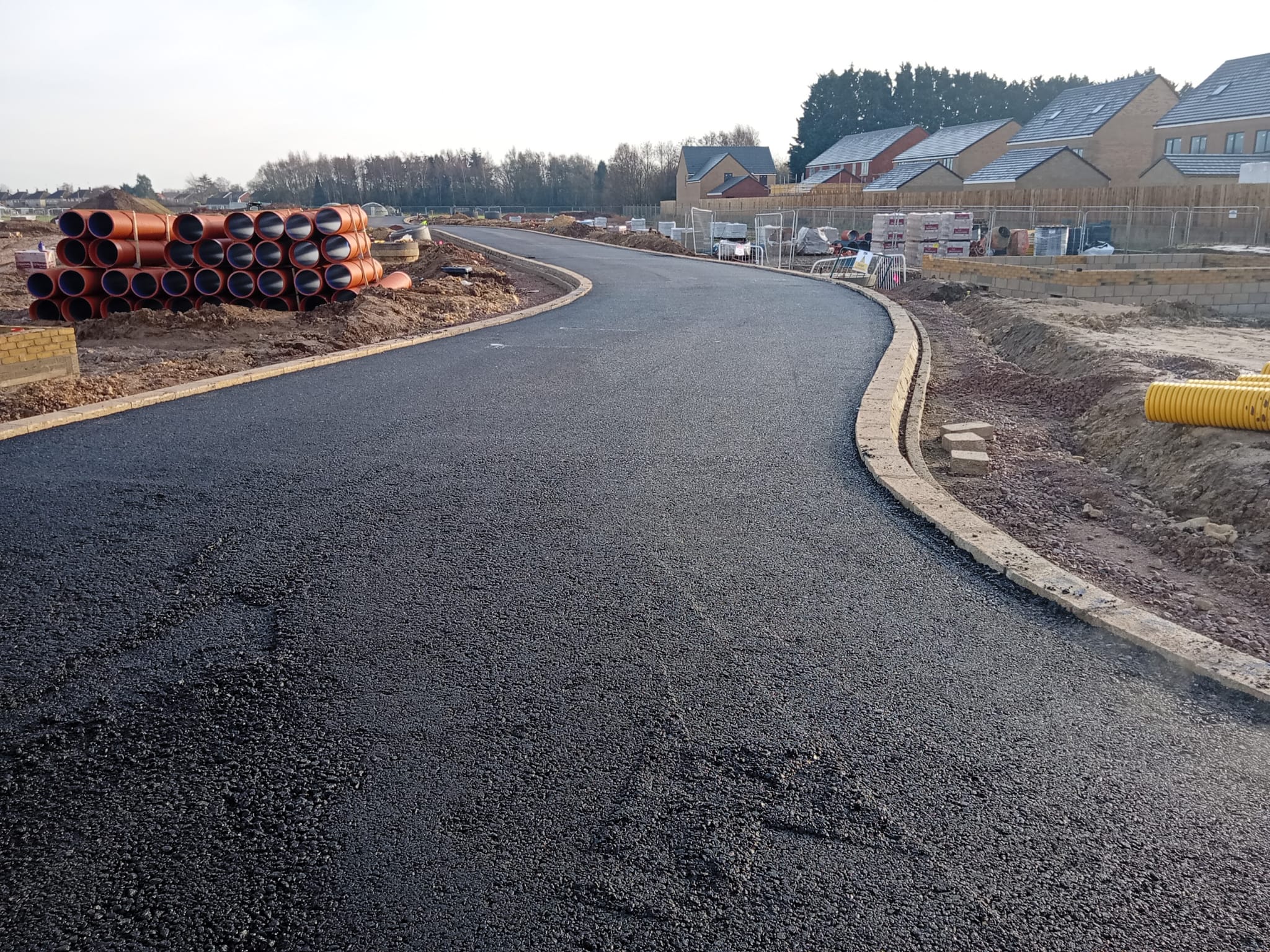
Another benefit is its relatively quick curing time. In commercial or residential settings where access needs to be restored promptly, tarmac surfacing minimises downtime while still delivering a robust finish. This makes it a practical choice for business premises, housing developments, and access roads where disruption must be kept to a minimum.
Asphalt Surfacing and Its Strengths
Asphalt is often selected for heavier-use environments where durability under sustained load is critical. Industrial yards, distribution centres, and main access routes with frequent HGV movements typically benefit from asphalt’s higher stone content and denser structure.
The increased aggregate concentration provides greater resistance to deformation, particularly during warmer months when softer surfaces may be more prone to movement. Asphalt also offers excellent skid resistance when specified and laid correctly, contributing to improved safety in high-traffic areas.
However, asphalt installation generally requires more extensive groundwork and longer cooling times before the surface can be fully trafficked. This can increase both project duration and overall cost, factors that must be weighed carefully during planning.
Installation Considerations That Affect Surface Choice
Choosing between tarmac and asphalt is not simply a matter of preference. Installation requirements play a significant role in determining which material is most suitable for a given site.
Tarmac is typically laid at a thinner depth compared to asphalt, making it ideal for areas with lighter traffic or where excavation depth is limited. It adapts well to both hand-laid and machine-laid applications, allowing flexibility across different site sizes and layouts. Professional tarmac installation ensures correct compaction, smooth finishes, and long-term performance regardless of project scale.
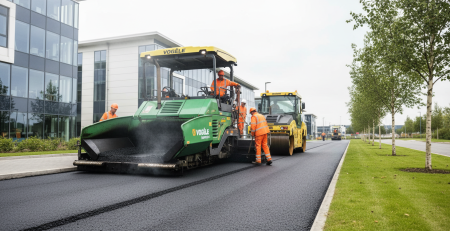
Asphalt, by contrast, is usually laid using specialist paving machinery to achieve the required density and thickness. For large commercial sites, machine-laid surfaces offer consistency and strength, particularly where vehicles are regularly stationary or turning. In these cases, machine-laid tarmac techniques may also be considered where appropriate, blending efficiency with durability.
Maintenance and Longevity of Tarmac and Asphalt
Long-term maintenance requirements should always be factored into surface selection. Tarmac surfaces are relatively straightforward to maintain, with minor repairs often blending seamlessly into the existing finish. Regular inspections and prompt attention to small defects help extend surface life and preserve appearance.
Asphalt surfaces also offer strong longevity when properly maintained, but repairs can be more visible if not executed carefully. Due to the denser composition, patching and resurfacing often require specialist equipment to maintain structural integrity and visual consistency.
Both materials benefit from routine cleaning, drainage management, and timely repairs. Neglecting maintenance can shorten lifespan regardless of initial material choice, making professional assessment and ongoing care essential.
Visual Appearance and Practical Aesthetics
While performance should be the primary consideration, appearance still matters, particularly for commercial premises and residential developments. Tarmac provides a clean, uniform finish that complements most surroundings without drawing unnecessary attention. Its darker tone can enhance site presentation while clearly defining access routes and parking areas.
Asphalt offers a similar appearance but may appear slightly coarser due to the larger aggregate size. In industrial settings, this is rarely a concern, but for mixed-use or customer-facing sites, the smoother finish of tarmac is often preferred.
In both cases, well-executed surfacing reflects positively on property management standards and contributes to safer, more organised traffic flow.
Cost Considerations for UK Property Owners
Budget is a decisive factor in most surfacing projects. Tarmac road surfacing UK installations are generally more cost-effective for small to medium-sized areas and sites with moderate traffic demands. The lower material and installation costs make it an attractive option without compromising reliability.
Asphalt tends to involve higher upfront investment due to material composition, installation complexity, and depth requirements. However, in environments where heavy traffic is unavoidable, the long-term value can outweigh initial costs by reducing the frequency of major repairs.
Accurate cost assessment should always consider the full lifecycle of the surface rather than focusing solely on installation price.
Choosing the Right Surface for Commercial and Domestic Sites
Different sites place different demands on road surfaces. Residential developments, private access roads, and smaller car parks often benefit most from tarmac due to its balance of durability, appearance, and affordability. Domestic and estate projects also appreciate the quicker installation times and lower disruption levels associated with tarmac surfacing, particularly when handled by experienced domestic contractors.
Commercial premises with delivery vehicles, service yards, and high daily traffic volumes may require the added strength of asphalt or reinforced tarmac solutions. Professional commercial surfacing contractors can assess site usage patterns and recommend the most appropriate specification based on operational needs.
Making an Informed Decision
There is no universal answer to whether tarmac or asphalt is the better choice. The decision depends on traffic intensity, environmental exposure, budget, and long-term maintenance expectations. Tarmac road surfacing UK projects continue to be widely specified because they meet the needs of many property owners without unnecessary complexity.
By working with experienced surfacing professionals who understand UK conditions and regulatory requirements, site managers can ensure that the chosen surface delivers safe, durable, and cost-effective performance over its intended lifespan.