Why Professional Road Surfacing Matters for Safety
Road surfacing plays a fundamental role in how safe a road, access route, or commercial yard is for daily use. Whether the surface is serving vehicles, pedestrians, or heavy plant machinery, its condition directly influences grip, visibility, drainage, and overall usability. Poorly surfaced or deteriorating roads increase the likelihood of accidents, vehicle damage, and long-term maintenance issues that can disrupt operations or create liability concerns for property owners.
Professional road surfacing in the UK is designed to meet strict standards that account for traffic type, load requirements, and environmental conditions. When carried out correctly, it provides a stable, even surface that supports predictable braking distances, consistent vehicle handling, and safer pedestrian movement. These elements are often overlooked until a problem occurs, yet they are integral to maintaining a safe and functional site.
Why DIY or Poor-Quality Surfacing Increases Risk
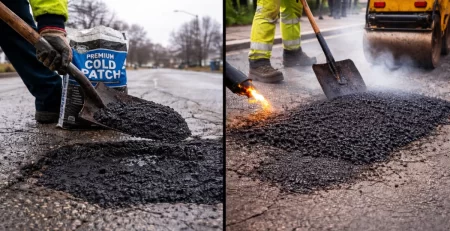
Attempting to cut costs through non-professional surfacing solutions often leads to safety compromises. Inadequate groundwork, incorrect material selection, and poor compaction techniques can all result in uneven surfaces, weak points, and premature failure. These defects may not be immediately obvious, but over time they manifest as potholes, cracking, loose aggregates, and surface water pooling.
In the UK climate, where rainfall is frequent and temperatures fluctuate, substandard surfacing deteriorates faster. Water ingress weakens the structure beneath the surface, leading to rapid breakdown and increased hazards. Professional contractors understand how to prepare a site properly, ensuring that the base layers, drainage gradients, and surface materials work together to minimise risk and maximise longevity.
Surface Grip and Skid Resistance
One of the most critical safety factors in road surfacing is skid resistance. A professionally installed surface is designed to provide consistent grip in both dry and wet conditions. This is particularly important for access roads, car parks, and commercial premises where vehicles may be manoeuvring at low speeds but with frequent stopping and turning.
Surface texture, aggregate size, and material composition all influence grip levels. Professional surfacing contractors select and apply materials that are appropriate for the intended use of the road. For example, a heavily trafficked commercial access road requires a different specification from a lightly used private road. This level of consideration ensures that braking distances remain predictable and the risk of skidding is reduced.
Drainage and Water Management
Standing water on a road surface is a significant safety hazard. It increases the risk of aquaplaning, obscures surface defects, and accelerates structural damage. Professional road surfacing incorporates effective drainage solutions that allow water to run off the surface efficiently.
This includes creating the correct falls and camber, integrating drainage channels where required, and ensuring that the surface material itself supports water movement. Poorly executed surfacing often ignores these details, leading to pooling water that compromises safety and shortens the lifespan of the surface. Over time, water-related damage can become extensive, resulting in costly repairs and increased risk for users.
Structural Strength and Load-Bearing Capacity
Safety is not only about the surface appearance but also about what lies beneath it. Roads and access areas must be capable of supporting the loads they are exposed to without deforming or failing. Professional road surfacing takes into account expected traffic volumes, vehicle weights, and usage patterns.
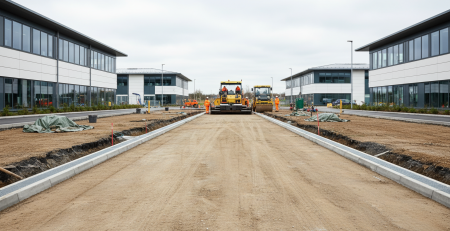
Commercial sites, industrial yards, and shared access roads often experience repeated stress from delivery vehicles and service traffic. Without a properly designed and installed foundation, the surface can rut or collapse under load, creating dangerous conditions. Professional contractors ensure that the sub-base and base layers are engineered to provide long-term structural stability, reducing the likelihood of sudden failures.
Compliance with UK Standards and Regulations
Another key reason professional road surfacing matters for safety is compliance. In the UK, road and access surfacing must adhere to recognised standards that govern materials, installation methods, and performance criteria. These standards exist to protect users and ensure consistency across different environments.
Professional surfacing contractors are familiar with these requirements and incorporate them into every stage of a project. This is particularly important for commercial premises, schools, and public-facing sites where duty of care obligations apply. Non-compliant surfacing can expose property owners to legal and insurance risks if an accident occurs due to surface defects.
Visibility and Line Markings
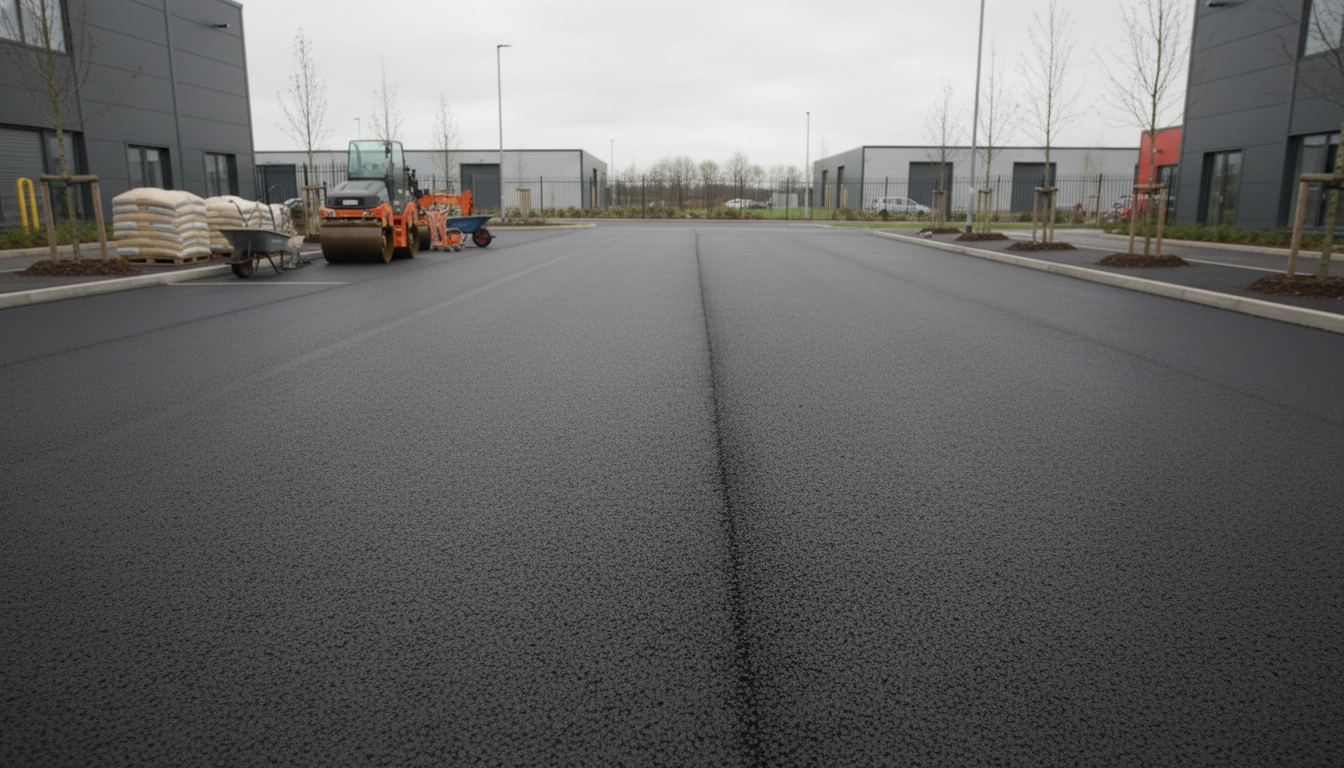
Clear visibility is an often underappreciated aspect of road safety. Professionally surfaced roads provide a smooth, uniform background that allows line markings, signage, and surface indicators to remain visible and effective. Uneven or patchy surfaces make markings harder to apply and less durable, reducing their effectiveness over time.
Professional surfacing ensures that the finished surface supports long-lasting markings, which are essential for guiding traffic flow, defining pedestrian areas, and managing parking and loading zones. This contributes to safer movement across the site and reduces confusion for drivers and pedestrians alike.
Long-Term Maintenance and Risk Reduction
A professionally surfaced road is easier and safer to maintain. High-quality installation reduces the frequency of defects, making routine inspections and minor repairs more manageable. When issues do arise, they are often localised and can be addressed promptly before they develop into larger hazards.
For property owners and site managers, this proactive approach reduces downtime and minimises the risk of accidents caused by neglected surfaces. Incorporating professional installation from the outset also supports a structured maintenance strategy, helping to extend the life of the surface while maintaining safety standards.
The Importance of Specialist Contractors
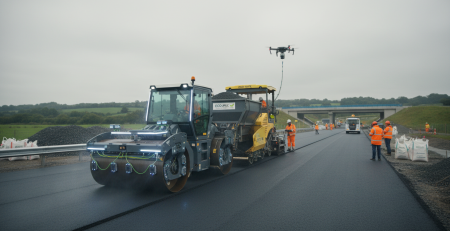
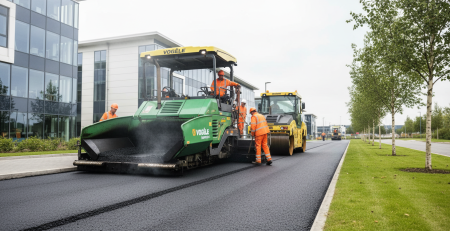
Choosing experienced surfacing specialists is central to achieving safe outcomes. Professional contractors bring technical knowledge, appropriate machinery, and proven processes to each project. This includes services such as tarmac installation that are carried out to suit the specific demands of the site, as well as machine-laid solutions that deliver consistent thickness and finish across larger areas.
Specialist contractors also understand how to coordinate works safely, managing traffic, access, and site operations during installation. This reduces disruption and ensures that safety is maintained not only after completion but throughout the construction process itself.
Safety as a Long-Term Investment
Professional road surfacing in the UK should be viewed as a long-term investment in safety rather than a short-term expense. High-quality surfaces reduce accident risk, protect vehicles and pedestrians, and support compliance with legal responsibilities. Over time, they also offer better value by minimising repair costs and extending service life.
For commercial and residential property owners alike, prioritising professional road surfacing is a practical decision that delivers measurable safety benefits. A well-designed and expertly installed surface provides confidence that the road will perform reliably under daily use, whatever the weather or traffic conditions.