Why Proper Drainage Is the Hidden Hero of Long-Lasting Road Surfaces
When most people think about what keeps a road strong and durable, they picture thick tarmac layers, heavy machinery, or high-quality aggregates. But there is one factor that plays an even bigger role—drainage.
Proper drainage is the quiet workhorse of any long-lasting road. Without it, even the best-laid surface will deteriorate quickly, leading to cracks, potholes, and costly repairs.
This blog explores why drainage matters, how it affects surface lifespan, and what modern surfacing companies do to get it right.
Why Drainage Matters More Than Most People Realise
Water is the biggest enemy of any road surface. Whether it’s heavy rain, standing water, frost, or long-term moisture exposure, water finds weaknesses and turns them into expensive damage.
Here’s why drainage is essential:
1. Water Weakens the Surface Structure
Tarmac may look solid, but water can easily seep into tiny cracks and joints. Once inside, it begins to break down the bond between aggregates. Over time, this undermines structural integrity and creates deeper weaknesses that spread across the surface.
2. Freeze–Thaw Cycles Cause Rapid Damage
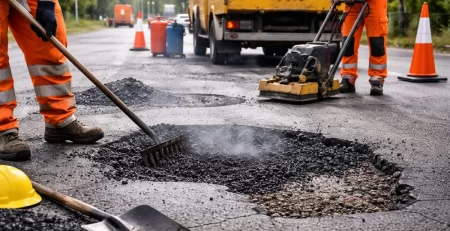
The UK’s weather makes this especially problematic. When temperatures drop, water trapped beneath the surface expands as it freezes—forcing the road to swell and crack.
When the ice melts, the surface settles again, leaving gaps and cavities. This cycle quickly leads to potholes.
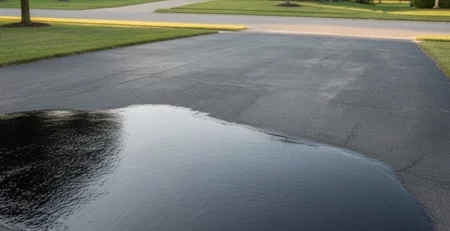
3. Poor Drainage Causes Puddling and Premature Wear
Standing water creates weak points and increases surface friction. Vehicles driving over puddles repeatedly push water deeper into the surface, speeding up deterioration and eroding the top layer.
4. Heavy Vehicles Magnify the Problem
Lorries, vans, and construction traffic put enormous pressure on road surfaces. When the base layers are compromised by moisture, the weight accelerates cracking and rutting.
How Proper Drainage Extends Road Lifespan
Good drainage doesn’t just remove water—it preserves the entire construction. When done correctly, it:
- Prevents water from entering the foundation
- Reduces freeze–thaw damage
- Maintains the strength of the sub-base
- Improves long-term performance and load capacity
- Dramatically cuts down maintenance costs
On commercial sites, car parks, private roads, and heavily used access routes, proper drainage often doubles the lifespan of the surface.
Types of Drainage Used in Road Surfacing
Depending on road type, location, and expected traffic load, surfacing specialists use different drainage systems:
1. Surface Falls (Slopes)
The simplest and most effective method.
A properly constructed slope directs water to the side instead of letting it pool.
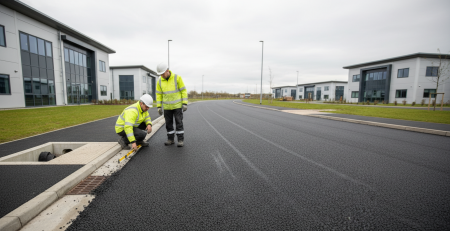
2. Linear Drains (Aco Drains)
These are long channels installed along road edges, car parks or driveways.
They collect and redirect water quickly, ideal for areas with heavy rainfall or large paved areas.
3. French Drains
A combination of gravel and perforated pipes that absorb groundwater.
Useful for preventing sub-base saturation.
4. Drainage Gullies
Small inlets that collect surface water on roads and car parks and funnel it into underground drainage systems.
5. Porous Surfacing Options
Resin-bound and certain permeable asphalt mixes allow water to drain through the surface instead of pooling on top.
Each method works differently, and choosing the right one depends on the environment and the purpose of the road.
What Happens When Drainage Is Ignored
Even a minor drainage issue becomes expensive over time. Common symptoms include:
- Frequent potholes
- Cracking across large areas
- Surface rutting
- Sinking or depressions
- Moss growth caused by excess moisture
- Early failure of the entire surface structure
Once damage spreads to the base layers, patching is no longer enough—full resurfacing becomes necessary. This is why professional contractors prioritise drainage during every resurfacing project.
For real examples of completed drainage and surfacing work, you can view recent projects here:
👉 Total Surfacing Solutions Case Studies
How Professional Surfacing Companies Ensure Proper Drainage
Experienced contractors follow a structured approach to prevent drainage issues from the start:
1. Detailed Site Assessment
Before any surfacing begins, professionals examine gradient, soil type, groundwater levels, and water flow direction.
2. Building the Right Falls
The surface must be graded correctly so water naturally flows off instead of pooling.
3. Installing Drainage Systems Where Needed
Whether it’s a small residential driveway or a large industrial road, engineers choose the right drainage method for reliable long-term performance.
4. Strong, Well-Compacted Sub-Base
A proper base prevents water from entering and supports the entire road structure.
5. Using High-Quality Tarmac Mixes
High-grade materials resist moisture better and last longer, especially in heavy-use areas.
6. Seal-Coating High-Risk Areas
Joint sealing, crack filling, and protective coatings block water before it reaches weak points.
Signs Your Road or Car Park May Have Drainage Issues
Look for:
- Puddles that stay for hours
- Cracks forming in the same areas repeatedly
- Moss or algae growth
- Soft or spongy spots underfoot
- Edges that crumble or collapse
- Water flowing towards buildings instead of away
If you notice any of these, drainage improvements may be needed before resurfacing.
Final Thoughts
Drainage may not be the most visible part of a road, but it is one of the most important. With good water management, a surface will stay stronger, last longer, and require far fewer repairs. Without it, even high-quality tarmac will fail much sooner than expected.
For businesses, homeowners, and commercial sites, investing in proper drainage is one of the smartest decisions you can make if you want your road, driveway, or car park to last.