Winter Road Surfacing Challenges and Solutions in the UK
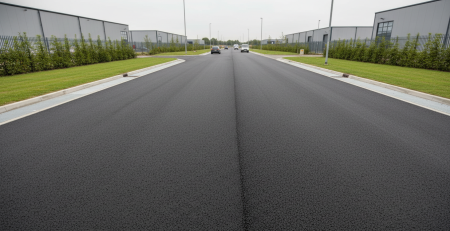
Winter road surfacing UK projects present a distinct set of challenges compared to work carried out during warmer months. Cold temperatures, increased rainfall, frost, and reduced daylight hours all affect how materials behave and how safely work can be completed. For property owners and site managers, this often raises concerns about whether surfacing should be delayed until spring or whether work can proceed without compromising quality.
In reality, professional contractors regularly deliver successful winter installations by adapting materials, methods, and scheduling. Understanding how winter conditions affect road surfacing helps decision-makers plan realistically, minimise disruption, and avoid unnecessary postponements that can lead to further surface deterioration.
How Cold Weather Affects Surfacing Materials
Temperature plays a critical role in how surfacing materials perform during installation. In winter, asphalt and tarmac cool more quickly, reducing the available working time before compaction becomes ineffective. If not managed correctly, this can result in poor density, weak bonds between layers, and a shorter surface lifespan.
Professional winter road surfacing UK projects rely on careful temperature monitoring and adjusted delivery schedules. Materials are produced and laid within strict temperature ranges to ensure they remain workable long enough to achieve proper compaction. Experienced teams understand when conditions are suitable and when work should be paused to protect long-term performance.
The Impact of Moisture, Frost, and Rain
Moisture is one of the most significant risks during winter surfacing works. Rain, surface water, and frost can prevent materials from bonding correctly to the base layer. If water becomes trapped beneath a new surface, it can lead to premature cracking, potholes, and structural failure.
Effective site preparation is essential during winter road surfacing UK projects. This includes thorough inspection of the existing surface, removal of standing water, and ensuring the base is dry and stable before any material is laid. In some cases, additional drainage considerations are required to manage surface runoff and prevent water accumulation once the road is reopened.
Reduced Daylight and Site Safety
Shorter daylight hours are an often-overlooked challenge of winter surfacing works. Limited natural light affects visibility, productivity, and safety for both workers and site users. Poor lighting increases the risk of installation errors and on-site accidents, particularly on active commercial or industrial premises.
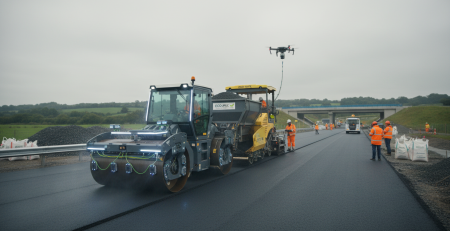
Professional contractors plan winter road surfacing UK schedules carefully, using temporary lighting and adjusted working hours to maintain safety standards. Clear site management, signage, and phased works help ensure access routes remain safe while surfacing progresses efficiently.
Why Delaying Winter Surfacing Can Be Risky
Many property owners consider delaying surfacing works until spring, but postponement is not always the safest or most cost-effective option. Existing defects such as cracks, surface fretting, and potholes often worsen during winter due to freeze-thaw cycles and increased water ingress.
Timely intervention, including full resurfacing or targeted repairs, can prevent more extensive damage. Professional contractors assess whether winter road surfacing UK conditions are suitable for permanent works or whether interim solutions are required to stabilise the surface and maintain safety until warmer months.
Adapting Installation Techniques for Winter Conditions
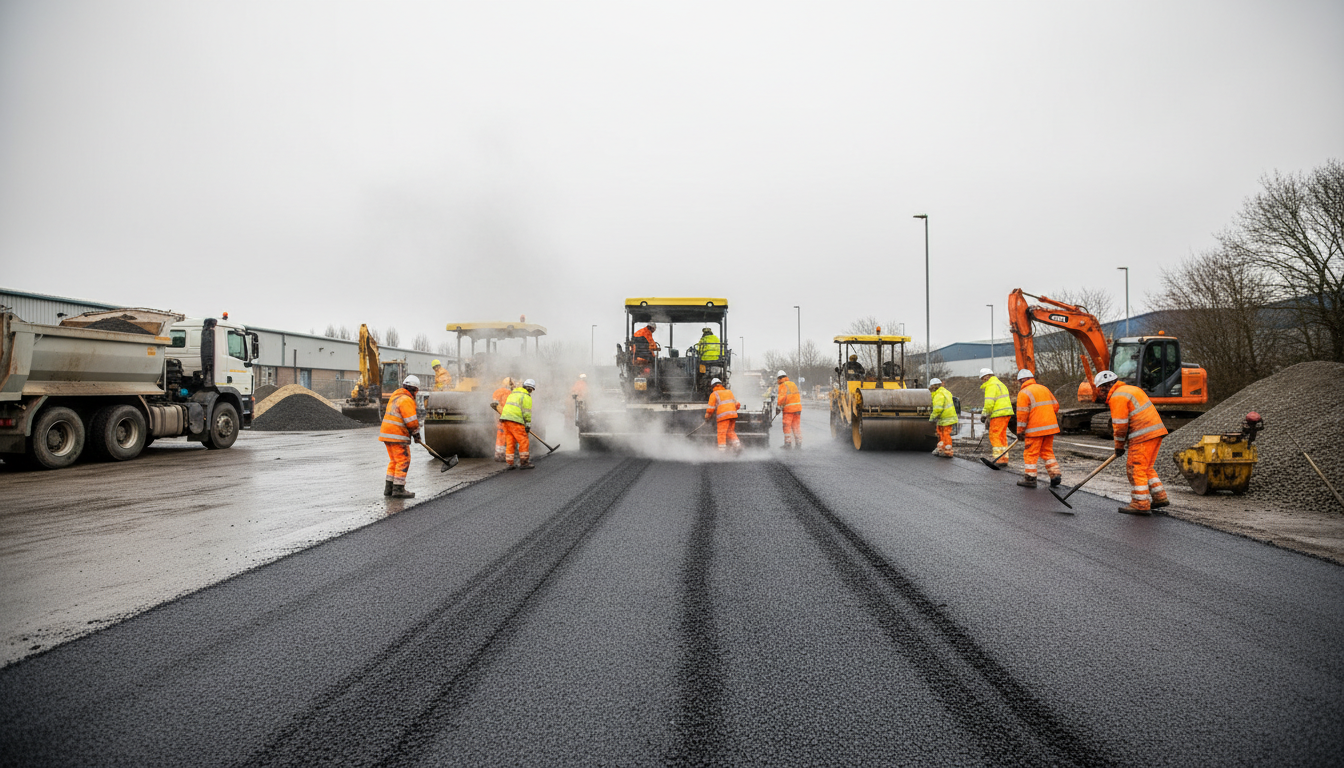
Successful winter surfacing relies on adapting techniques rather than applying standard summer practices. This includes faster compaction processes, precise coordination between material supply and laying, and strict quality control throughout installation.
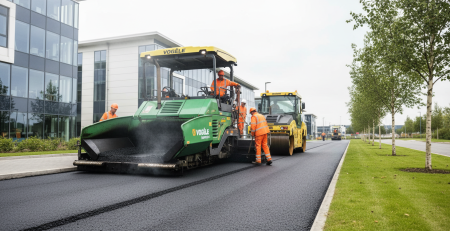
Machine-laid surfaces are often preferred during winter road surfacing UK projects because they provide consistent thickness and compaction within a shorter timeframe. Where appropriate, professional tarmac installation ensures surfaces meet performance standards despite challenging conditions.
The Importance of Site Preparation in Winter
Preparation becomes even more critical during winter months. A poorly prepared base will not improve simply because a new surface is applied. In cold weather, underlying weaknesses are more likely to translate into visible defects shortly after installation.
Winter road surfacing UK projects require detailed assessment of sub-base integrity, drainage performance, and existing surface condition. Addressing these factors before surfacing begins ensures the new road performs as intended and reduces the likelihood of early maintenance issues.
Managing Access and Disruption During Winter Works
Commercial and residential sites often operate at full capacity throughout winter, making access management a key consideration. Poor planning can result in safety risks, congestion, and dissatisfaction for occupants or customers.
Experienced contractors phase winter road surfacing UK works to maintain access wherever possible. Clear communication, temporary routes, and structured scheduling allow essential operations to continue while surfacing is completed efficiently. This approach is particularly important for business premises, schools, and industrial sites where downtime can be costly.
Quality Control and Post-Installation Checks
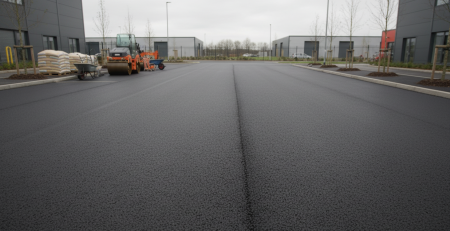
Quality control does not end once the surface is laid. In winter conditions, additional checks are required to confirm compaction levels, surface finish, and drainage performance. Early identification of issues allows minor adjustments before defects become embedded.
Professional winter road surfacing UK projects include post-installation inspections to ensure the surface has bonded correctly and is performing as expected. This attention to detail protects the investment and ensures compliance with safety and durability standards.
Choosing the Right Contractor for Winter Surfacing
Not all contractors are equipped to work effectively in winter conditions. Experience, equipment, and planning capability make a significant difference to outcomes. Property owners should look for contractors with a proven track record of delivering projects year-round rather than only during favourable weather.
Working with established commercial surfacing contractors ensures winter road surfacing UK projects are approached with realistic assessments, transparent advice, and professional execution. This reduces risk and provides confidence that the surface will perform beyond the winter period.
Long-Term Performance After Winter Installation
When completed correctly, winter-installed surfaces perform just as effectively as those laid in warmer months. The key difference lies in the planning and control applied throughout the process. Proper material handling, installation timing, and quality assurance all contribute to long-term durability.
For property owners managing busy sites, completing winter road surfacing UK works can provide a practical advantage. Surfaces are often ready ahead of spring demand, reducing congestion and ensuring access routes are safe and compliant before traffic levels increase.
Making Informed Decisions About Winter Surfacing
Winter does not automatically rule out road surfacing projects, but it does demand informed decision-making. Understanding the challenges and solutions allows property owners and site managers to balance urgency, safety, and long-term value.
By working with experienced professionals and adopting a measured approach, winter road surfacing UK projects can be delivered efficiently, safely, and to a high standard, protecting both the surface and the people who rely on it.