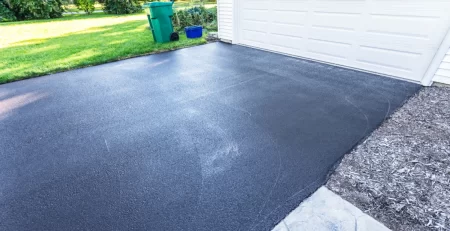
Machine Lay Tarmac Costs in the UK: Find the Full Measurement
Poor surfacing decisions cost UK property owners thousands annually. Many projects fail because of incorrect depth, rushed labour, or substandard materials, leading to cracks, potholes, and frequent repairs. Choosing the right surfacing solution is crucial.
Experienced surfacing specialists use a measured, machine-driven approach, ensuring precise Tarmac Installation, uniform compaction, and long-lasting performance. With years of expertise, they identify site-specific challenges and apply Machine Lay Tarmac techniques tailored for both residential and commercial projects.
This guide focuses solely on the core factors affecting Machine Lay Tarmac costs in the UK, helping property owners make informed, cost-effective decisions. Read on to understand real pricing, material selection, and installation best practices before hiring a contractor.
Why Choose Machine Lay Tarmac for Surfacing in the UK?
Machine Lay Tarmac provides precision, durability, and efficiency for all surfacing projects. It removes the guesswork from installations and ensures long-lasting results. This method is ideal for roads, commercial sites, and high-traffic driveways.
Key Advantages:
- Controlled Thickness: Guarantees uniform layers for maximum strength.
- Even Compaction: Reduces cracks, surface deformation, and potholes.
- Faster Installation: Machine application speeds up large-area projects efficiently.
- Enhanced Load-Bearing: Suitable for vehicles, heavy machinery, and high-traffic zones.
- Reduced Maintenance: Proper installation minimizes frequent pothole repair services.
- High Precision: Detects and corrects base imperfections early, unlike manual laying.
Expert Tip: Combining Machine Lay Tarmac with Total Surfacing Solutions or resin-bound surfacing services enhances longevity and appearance.
Factors Influencing Machine Lay Tarmac Costs in the UK
Machine Lay Tarmac pricing is not random. It depends on measurable variables that directly affect durability, appearance, and lifespan. Understanding these factors helps property owners budget accurately and avoid unexpected expenses.
Key Cost Factors:
Material Selection That Controls Surface Lifespan
- Material quality determines compaction strength and resistance to cracking.
- Premium hot tarmac resists moisture ingress and freeze damage.
- Low-grade mixes appear cheaper but fail under traffic pressure.
Labour Expertise and Machine Operation Precision
- Machine lay tarmac services require trained operators.
- Incorrect machine speed or rolling timing weakens bonding layers.
- Experienced crews reduce future pothole repair costs.
Site Preparation That Most Quotes Ignore
- Proper excavation and sub-base preparation stabilise the surface.
- Skipping compaction or drainage raises long-term repair expenses.
- This step separates commercial surfacing road surfacing services from amateurs.
Area Size and Layer Thickness Calculation
- Larger areas reduce per-metre cost efficiency.
- Thicker layers increase durability for commercial and road use.
- Residential driveways need different structural calculations.
Accessibility and Location Cost Adjustments
- Restricted access requires specialised machinery.
- Urban zones increase logistics and traffic management expenses.
- Remote areas add transport and mobilisation costs.
Local Regulations and Ground Conditions
- Soil type affects base reinforcement requirements.
- Council standards influence material specification.
- Ignoring regulations leads to resurfacing penalties later.
Machine Lay Tarmac Services – What’s Involved?
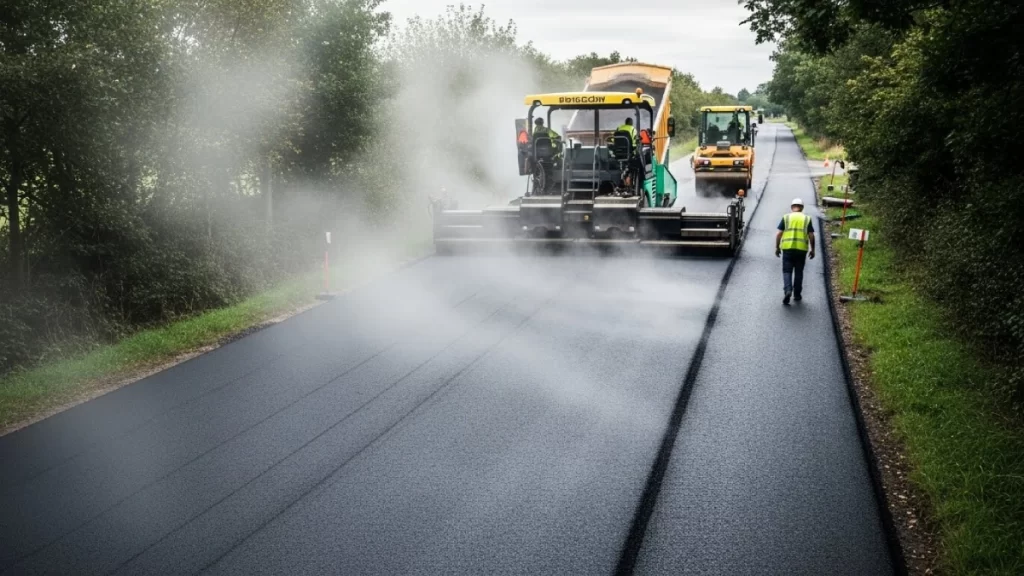
Machine Lay Tarmac is more than just laying asphalt. It is a precision-engineered process designed to provide long-lasting, durable surfaces for driveways, roads, and commercial areas.
Each step ensures the surface performs under traffic and weather stress, reducing pothole repair services in the future. Step-by-Step Process:
Ground Excavation and Grading
The first step in any Machine Lay Tarmac project is ground excavation and grading. Existing surfaces, debris, and loose soil are carefully removed to create a stable base. The ground is then graded to achieve the correct slope and drainage, which prevents water from pooling on the surface.
Proper grading is essential for long-term durability because it reduces the risk of surface cracks and early potholes, ensuring the tarmac layer performs well under traffic and weather conditions.
Sub-Base Compaction
Once the ground is prepared, a sub-base layer is laid using crushed stone or aggregate to provide structural support. Mechanical rollers compact this layer to achieve maximum stability.
A well-compacted sub-base prevents uneven settlement, distributes load evenly, and forms a strong foundation for the tarmac. This step is especially important for commercial surfacing road surfacing services or high-traffic driveways, as it directly impacts the surface’s lifespan and reduces future maintenance requirements.
Hot Tarmac Application
After preparing the sub-base, hot tarmac is delivered at precise temperatures to maintain its bonding properties. Using machine lay methods, layers are applied evenly across the surface.
This ensures a uniform thickness and consistent compaction, which is critical for structural integrity and long-term durability. Correct application of hot tarmac minimizes weak spots, reduces pothole repair services, and provides a smooth, professional finish suitable for both residential and commercial projects.
Machine Rolling and Sealing
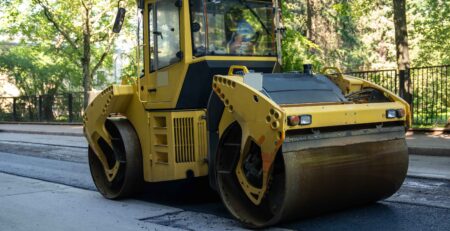
The final step involves machine rolling and sealing the tarmac surface. Heavy rollers compress the asphalt, eliminating air pockets and ensuring a dense, strong surface. A sealing process enhances water resistance and smoothness, protecting the tarmac from damage caused by weather and traffic.
Proper rolling and sealing prevent early surface deterioration, reduce maintenance costs, and result in a visually appealing finish that can withstand long-term use in driveways and surfacing services in Essex or Hertfordshire.
Areas We Cover for Machine Lay Tarmac in the UK
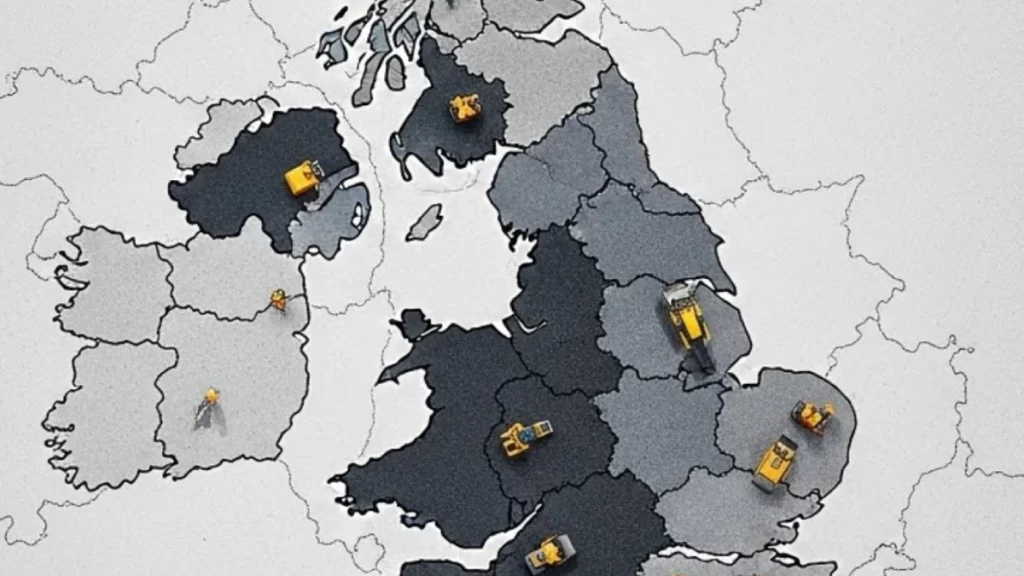
Understanding local conditions is crucial for a successful Machine Lay Tarmac project. Soil types, weather patterns, and traffic loads vary across regions, which directly impacts surface durability and cost.
Total Surfacing Solutions applies region-specific techniques to ensure tarmac surfaces in both residential and commercial projects remain strong, smooth, and long-lasting.
Machine Lay Tarmac Services in Essex
In Essex, high-traffic areas and variable soil conditions demand careful depth control and expert compaction. Total Surfacing Solutions provides a complete range of services, including driveways surfacing services in Essex, machine lay tarmac services in Essex, and pothole repairs in Essex.
Each project is tailored to the specific site, ensuring even surfaces and minimal future maintenance. For property owners seeking enhanced aesthetics and durability, resin-bound solutions are a perfect complement.
Explore options such as grey resin driveways, resin driveways, and coloured resin driveways. These finishes not only improve curb appeal but also enhance water drainage and surface longevity, making them ideal for both residential and commercial settings.
Machine Lay Tarmac Services in Hertfordshire
Hertfordshire presents a mix of residential and commercial demands, requiring flexible surfacing solutions.
Total Surfacing Solutions delivers comprehensive services, including driveways surfacing services in Hertfordshire, machine lay tarmac services in Hertfordshire, and pothole repair services in Hertfordshire. Each service is designed to handle local traffic conditions, weather impacts, and property-specific requirements.
For premium driveway solutions, residents and businesses can benefit from resin bound driveways in Hertfordshire, installed by expert road surfacing contractors in Hertford and resin bound driveways installers in Hertford.
Frequently Asked Questions
How thick should Machine Lay Tarmac be for driveways?
Domestic driveways typically require 50 to 60mm of compacted hot tarmac. Heavier vehicle use increases the required depth to prevent deformation and surface cracking.
Is cold patch suitable for permanent pothole repair?
The cold patch is temporary. It restores access quickly but lacks bonding strength. Permanent Pothole Repair requires hot tarmac and machine compaction.
How long before traffic can use machine laid tarmac?
Light foot traffic is possible within hours. Vehicle access usually resumes within 24 hours, depending on temperature and compaction quality.
Does resin bound surfacing increase overall cost?
Yes initially. However, resin-bound driveways reduce water damage, surface wear, and long-term maintenance costs when installed over stable tarmac.
Why do machine lay tarmac prices vary by location?
Local labour rates, access difficulty, soil conditions, and council regulations directly affect material and installation costs.
Machine Lay Tarmac Costs: Expert Guide & Pricing
Machine Lay Tarmac costs in the UK are determined by precise measurement, thorough site preparation, and expert execution, rather than guesswork or shortcuts.
Selecting experienced contractors ensures that each layer is correctly applied, properly compacted, and finished to the highest standard, significantly reducing future pothole repair services and maintenance costs.
Combining Machine Lay Tarmac with resin bound surfacing services adds both durability and aesthetic appeal, providing surfaces that withstand heavy traffic and adverse weather.
Investing in professional surfacing solutions from Total Surfacing Solutions guaranteeslong-lasting, high-performance driveways, roads, and commercial areas, giving property owners true value and peace of mind.