How to Repair Driveway Potholes Fast and Cheap? 5 Methods
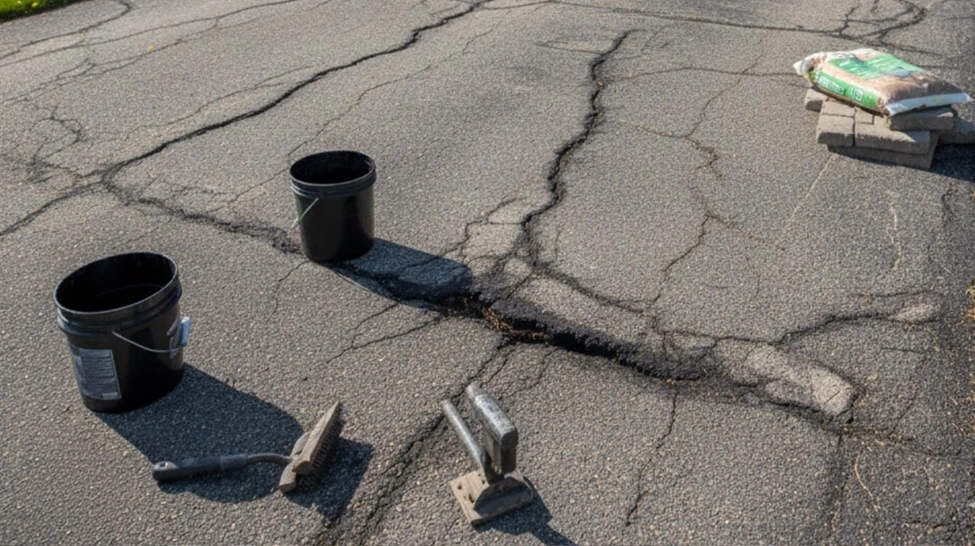
Driveway potholes can quickly transform from minor annoyances into serious hazards that damage vehicles and diminish property value. Fortunately, repairing these troublesome craters doesn’t require professional intervention or massive budgets. Quick and affordable solutions exist that homeowners across the UK can implement using readily available materials and basic tools.
This comprehensive guide reveals five proven methods ranging from cold patch applications to recycled asphalt millings, plus essential prevention strategies. Whether you’re dealing with shallow depressions or deep craters, you’ll discover cost-effective techniques that deliver lasting results without breaking the bank.
Tip: Fast pothole repairs help prevent further surface damage and reduce future maintenance costs. Get A Free Quote for reliable, long-lasting driveway repair solutions.
Methods to Repair Driveway Potholes Fast and Cheap
The following methods provide practical solutions for various pothole scenarios, from emergency fixes to permanent repairs that rival professional work.
Cold Patch Asphalt Application
Cold patch asphalt represents the most accessible and budget-friendly solution for homeowners tackling pothole repairs. This pre-mixed material requires no heating equipment and can be applied in virtually any weather condition, making it exceptionally versatile for UK climates. Available at most home improvement stores, cold patch comes ready to use straight from the bag.
Simply clear the pothole of debris, pour the material into the damaged area, and compact it using a tamper or even the bottom of a fence post. While not as durable as hot mix alternatives, cold patch repairs can last several months to a year with proper application. The total cost typically ranges from £10 to £30 per bag, covering approximately one square metre at standard depth.
This method works best for shallow to medium-depth potholes and provides immediate usability once compacted. For homeowners seeking quick fixes, cold patch offers unmatched convenience and accessibility.
Hot Mix Asphalt for Permanent Repairs
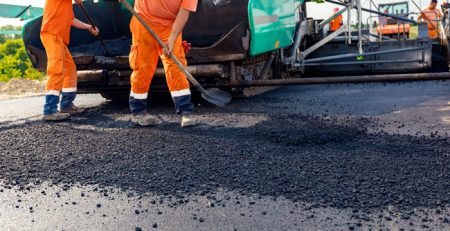
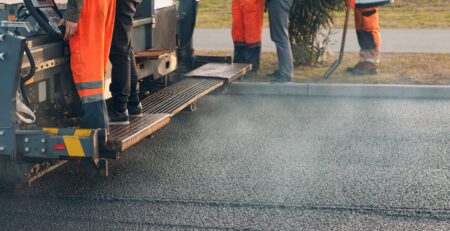
For homeowners seeking professional-grade results, hot mix asphalt delivers superior longevity and performance. This method involves heating fresh asphalt to approximately 150°C before application, creating a molecular bond with surrounding material that cold patches cannot match. While equipment costs are higher, those managing multiple properties or extensive driveways find the investment worthwhile.
The repair process requires cutting clean edges around the pothole using a disc cutter, removing loose material, and applying a tack coat before pouring the heated mixture. Proper compaction with mechanical equipment ensures optimal density and weather resistance. Although more labour-intensive than cold patching, hot mix repairs routinely last five to ten years when properly executed.
This approach aligns with road maintenance standards used by professional contractors throughout the United Kingdom. The durability justifies higher initial costs for permanent solutions.
Recycled Asphalt Millings
Asphalt millings offer an economical middle ground between temporary fixes and premium solutions. These recycled materials result from milling existing asphalt surfaces and can be sourced locally at significantly reduced costs compared to virgin asphalt. The millings contain residual bitumen that reactivates under compaction and heat, creating a surprisingly durable repair.
The application involves filling the pothole with millings, compacting thoroughly, and allowing vehicle traffic to further compress the material. Over time, sunlight and weight cause the bitumen to soften and bind, effectively creating a semi-permanent repair. Many contractors and homeowners choose millings for less-travelled areas or as affordable driveways solutions where budget constraints are paramount.
Costs typically run 40-60% lower than new asphalt, making this an attractive option for larger repairs. The environmental benefits of using recycled materials add further appeal.
Gravel and Crushed Stone Solutions
For rural properties or areas with light traffic, gravel-based repairs provide quick, inexpensive temporary solutions. This method works particularly well for unpaved or partially paved surfaces where aesthetic uniformity isn’t critical. Begin by filling the pothole with coarse gravel to approximately three inches below the surface level, compacting each layer with a steel tamper or wooden post.
Top the repair with finer gravel that matches the surrounding material and create a slight mound to accommodate settling. While not suitable for high-traffic areas or permanent solutions, gravel repairs cost mere pounds per pothole and can be completed in minutes. This approach also facilitates future upgrades to more permanent materials like resin driveways or professionally laid asphalt.
The drainage properties of gravel help prevent water accumulation that causes pothole formation. This makes gravel an excellent interim solution for budget-conscious homeowners.
Spray-Injection Method
The spray-injection technique represents a sophisticated yet cost-effective approach for shallow to medium-depth potholes. This method uses specialized equipment to blast debris from the hole, apply a tack coat, and inject a mixture of asphalt and aggregate in rapid succession. While equipment costs exceed basic tools, the speed and material efficiency make this attractive for property managers handling multiple repairs.
A single operator can complete dozens of repairs daily, dramatically reducing labour costs compared to traditional methods. The technique works best on potholes less than 50mm deep and provides immediate traffic-ready surfaces. Many surfacing solutions in the UK now incorporate spray-injection technology for municipal and commercial applications.
Though less common for residential use, equipment rental makes this method accessible for homeowners facing extensive pothole problems. The speed and efficiency offer substantial time savings for larger projects.
Preventing Future Pothole Formation
Understanding prevention strategies saves considerable time and money compared to repeated repairs.
Regular Surface Inspections and Crack Sealing
Proactive maintenance begins with quarterly surface inspections, particularly after severe weather events. Small cracks represent the earliest warning signs of potential pothole development. Addressing these imperfections immediately with joint sealant prevents water infiltration that accelerates deterioration.
The freeze-thaw cycles common across the UK cause trapped water to expand, breaking apart underlying materials and creating potholes. Crack sealing costs a fraction of pothole repairs and takes minimal time when problems are small. Schedule inspections in early spring and autumn when weather transitions most dramatically affect pavement integrity.
Document problem areas and track progression to identify patterns requiring more comprehensive solutions. Early intervention prevents minor issues from becoming major expenses.
Improve Drainage Systems
Proper drainage constitutes the single most important factor in pothole prevention. Water accumulation weakens subsurface materials, creating voids that collapse under vehicle weight. Ensure your driveway slopes appropriately to facilitate runoff, typically at least 2% gradient away from structures.
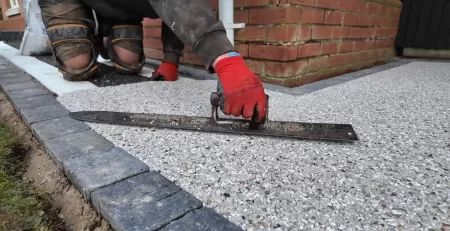
Install or maintain gutters, French drains, and catch basins where necessary to redirect water flow. Clear drainage features regularly to prevent blockages from leaves, sediment, and debris. Properties considering new installations should explore permeable resin driveway cost options that allow water to drain through the surface rather than pooling.
These systems dramatically reduce water-related damage while complying with Sustainable Drainage System regulations increasingly required across the United Kingdom. For properties in Essex and surrounding areas, consulting specialists about resin bound driveways in Essex provides modern solutions that combine aesthetics with superior drainage performance.
Quality Materials and Professional Assessment
Investing in high-quality materials during initial installation or major repairs extends driveway lifespan significantly. Premium asphalt mixes with proper aggregate gradation and binder content withstand heavy traffic and environmental stress far better than economy alternatives. For those exploring alternatives to traditional asphalt, resin driveways in Hertfordshire and other regions offer UV-stable, crack-resistant surfaces that minimize maintenance requirements.
The initial stone resin driveway cost runs higher than basic asphalt, but reduced long-term maintenance often justifies the investment. Consider professional assessments before undertaking major repairs, as underlying structural problems may require more comprehensive solutions than surface patching. Specialists can identify drainage issues, subsurface degradation, and loading problems that homeowner inspections might miss.
Cost Comparison and Material Selection
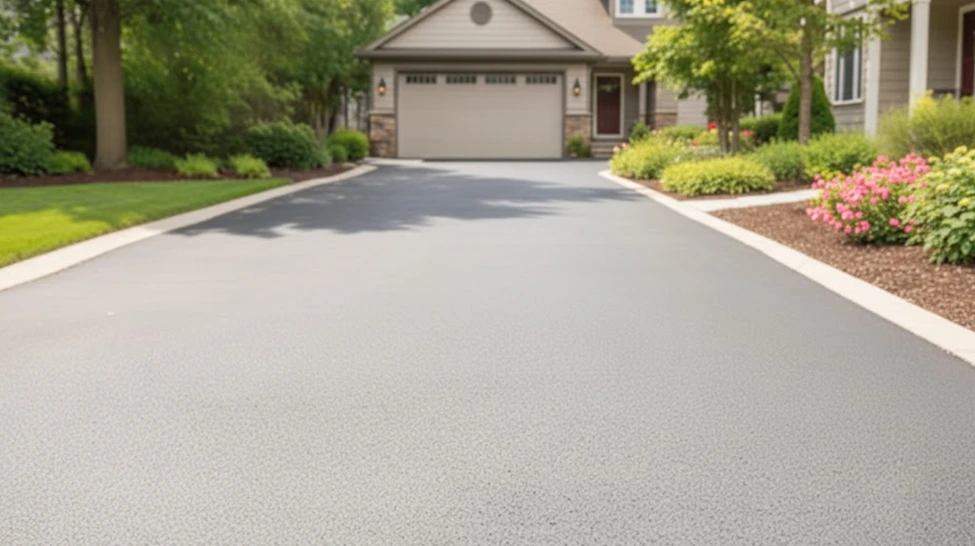
Choosing the right repair method depends on balancing immediate costs against long-term durability.
Budget-Friendly Options
Cold patch asphalt and gravel repairs represent the most economical immediate solutions, with materials costing under £30 for typical pothole repairs. These methods require minimal tools and no special equipment, making them accessible to virtually any homeowner. However, expect more frequent reapplication, particularly in high-traffic areas or harsh weather conditions.
For those managing tight budgets while planning future upgrades, temporary repairs maintain driveway safety until comprehensive solutions become financially feasible. Many homeowners use budget methods for secondary areas while investing in premium materials for main approach surfaces.
Our Surfacing Coverage Areas Across the UK
Total Surfacing Solutions supports clients across the UK with expert driveway and resurfacing services. Our primary operational areas are Hertfordshire and Essex, where we deliver top-quality surfacing for homes, businesses, and public spaces.
Hertfordshire:
We specialise in installing tarmac driveways, resin bound surfaces in Hertfordshire, and resurfacing local roads. We build commercial car parks, improve playground areas, and offer clear, long-lasting line marking services for public and private environments. Our focus is always on durability, safety, and professional presentation.
Essex:
Essex residents and businesses benefit from our full range of surfacing options, including decorative resin driveways in Essex, tarmacadam surfacing, driveway repairs, commercial resurfacing, and sports or playground installations. We combine strong materials with expert workmanship to produce surfaces that stay smooth and reliable for years.
Total Surfacing Solutions proudly serves Hertfordshire and Essex with dependable, long-lasting surfacing solutions.
Frequently Asked Questions
What causes potholes in driveways?
Water infiltration represents the primary cause of driveway potholes across the UK. When water seeps into cracks and subsurface layers, freeze-thaw cycles cause expansion that breaks apart materials. Poor drainage, low-quality materials, heavy vehicle traffic, and inadequate base preparation accelerate pothole formation.
Regular maintenance and proper drainage systems dramatically reduce pothole development. Addressing small cracks immediately prevents water from penetrating the surface.
How long do cold patch repairs last?
Cold patch longevity varies from several months to over a year, depending on application quality, traffic levels, and weather exposure. Proper surface preparation, adequate compaction, and edge sealing significantly extend repair life. High-traffic areas and harsh weather conditions reduce durability, while protected residential driveways see better performance.
Consider cold patch a temporary to semi-permanent solution requiring eventual replacement. For longer-lasting results, hot mix asphalt provides superior durability.
Can I repair potholes in wet weather?
Most repair materials perform best in dry conditions, though certain cold patch formulations work in damp environments. Remove standing water and debris before application, regardless of material choice. Wet conditions compromise adhesion and compaction, potentially reducing repair effectiveness.
For emergency repairs during rainy periods, prioritize safety over perfection and plan reapplication when conditions improve. Some specialized products are designed specifically for wet-weather applications.
Are resin driveways worth the investment?
Resin surfacing offers excellent long-term value through superior durability, minimal maintenance, and attractive appearance. The initial investment exceeds traditional asphalt, but reduced repair frequency and extended lifespan often justify higher upfront costs. Permeable resin systems provide additional benefits through improved drainage and environmental compliance.
Consider resin options when planning comprehensive driveway renovations rather than simple pothole repairs. The aesthetic versatility and low maintenance make resin increasingly popular across the UK.
Cost-Effective Solutions for Lasting Results
Driveway potholes don’t have to drain your budget or require professional contractors for effective repairs. The five methods outlined provide options for every skill level, budget, and durability requirement. From quick cold patch fixes to permanent hot mix solutions, homeowners can tackle these problems confidently using readily available materials and basic tools.
Remember that prevention through regular maintenance, proper drainage, and quality materials saves considerably more than reactive repairs. Whether you choose temporary gravel fills or invest in modern resin surfaces, taking action quickly prevents small problems from becoming expensive disasters. Implement these strategies today to maintain smooth, safe driveways that enhance property value and driving comfort for years to come.