When Is the Best Time for Road Surfacing in the UK?
Understanding the best time road surfacing UK projects should be scheduled is essential for property owners, estate managers and commercial site operators. Road surfacing is not simply about laying tarmac or asphalt; it is a controlled process that relies heavily on temperature, moisture levels and stable ground conditions.
In the UK, weather patterns can be unpredictable. Rain, frost and prolonged cold spells all influence the way surfacing materials behave. When installed under suitable conditions, modern surfacing systems provide excellent durability and long-term performance. When installed at the wrong time, even high-quality materials can struggle to achieve optimal compaction and bonding.
Careful seasonal planning reduces risk, minimises disruption and ensures that investment in new road surfacing delivers maximum lifespan.
How Weather Affects Road Surfacing in the UK
The UK climate presents specific challenges. Moderate rainfall throughout the year, winter frosts and fluctuating spring temperatures all affect installation quality.
Temperature and Material Performance
Tarmac and asphalt must be laid and compacted while at the correct working temperature. If ambient conditions are too cold, the material cools too quickly. This can prevent proper compaction and lead to weaker structural performance over time.
During warmer months, surfacing materials remain workable for longer. This allows contractors to achieve uniform compaction, smooth finishes and reliable bonding between layers.
Professional teams experienced in tarmac installation road surfacing services understand how temperature affects every stage of the process, from delivery to final rolling.
Rain and Surface Integrity
Moisture is another key factor. Excessive rainfall can delay works and affect sub-base preparation. A saturated foundation layer will not provide adequate structural support, potentially leading to premature surface failure.
Although modern methods allow for some flexibility, consistently dry conditions are always preferable for long-term performance.
Frost and Ground Movement
Winter frost can cause ground expansion and contraction. If surfacing is laid on unstable ground affected by frost, movement beneath the surface may lead to cracking or deformation later.
This is why planning around seasonal conditions is not simply a convenience issue. It directly impacts surface lifespan.
Spring: A Transitional Period
Spring often marks the beginning of the main surfacing season across the UK. As temperatures begin to rise and daylight hours extend, conditions generally improve for installation works.
However, early spring can still bring cold nights and unexpected rain. Ground conditions may remain damp following winter. For this reason, careful site inspection and preparation are critical.
For property managers planning larger access routes or estate roads, spring can be suitable provided works are scheduled later in the season when temperatures are more stable. Contractors offering commercial surfacing contractors services often advise clients to book ahead to secure optimal installation windows.
Summer: The Ideal Installation Window
For many projects, summer represents the best time road surfacing UK conditions can offer.
Consistent Temperatures
Warmer air temperatures allow surfacing materials to remain workable during laying and compaction. This results in stronger bonds and improved density within the finished surface.
Reduced Rainfall Disruption
While the UK does not guarantee dry summers, rainfall tends to be less persistent than in autumn and winter. Fewer weather delays mean projects are completed efficiently, reducing operational disruption for businesses and residential developments.
Longer Daylight Hours
Extended daylight enables contractors to complete larger sections of work safely and efficiently. This is particularly valuable for commercial sites, industrial yards and estate roads where phased working may be required.
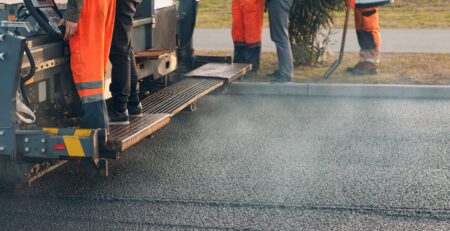
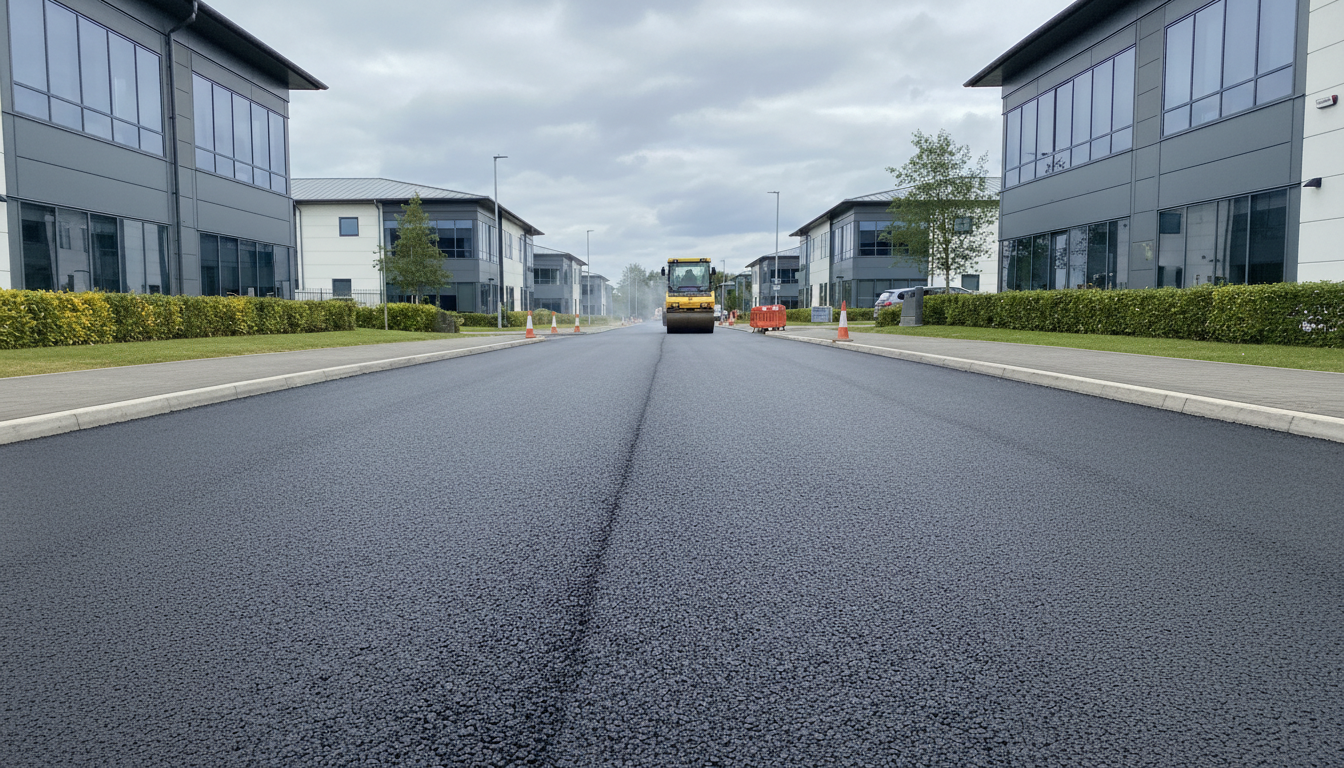
Machine-based installation methods such as machine lay tarmac are especially effective during stable summer conditions, delivering uniform finishes across wide surface areas.
For housing developers, schools and public access areas, summer scheduling often aligns with quieter occupancy periods, further reducing inconvenience.
Autumn: Balancing Opportunity and Risk
Early autumn can still provide favourable conditions. Temperatures often remain mild, and ground conditions are generally stable after summer.
However, rainfall tends to increase as the season progresses. Shorter daylight hours can also affect scheduling.
For smaller resurfacing works or maintenance upgrades, early autumn can still be suitable. Site managers should avoid late autumn installations where possible, as falling temperatures and heavier rain increase risk.
Projects involving public access routes such as highway surfacing require particular care when scheduling around seasonal weather patterns to ensure safety and compliance.
Winter: When Surfacing Requires Caution
Winter is typically the most challenging period for road surfacing in the UK.
Cold Temperatures
Low temperatures reduce the workable time for asphalt materials. This can compromise compaction quality if not managed carefully.
Increased Moisture
Frequent rainfall and occasional snowfall create unstable site conditions. Sub-base preparation becomes more complex and drying times increase.
Frost Risk
Ground frost presents a serious risk to structural integrity. Surfacing onto frozen ground is unsuitable and can lead to early failure.
While emergency repairs such as pothole repairs may still be carried out during winter where necessary, full resurfacing projects are generally better scheduled for milder months.
Planning Around Your Site Requirements
The best time road surfacing UK projects should be undertaken also depends on operational considerations.
Commercial Premises
Business parks, logistics yards and retail developments often need to balance surfacing works with daily operations. Summer shutdown periods or quieter trading windows can provide the most practical opportunity for resurfacing without significant disruption.
Working with experienced commercial surfacing contractors ensures phased installation and careful scheduling that aligns with business needs.
Residential Developments and Estates
For private estates and new housing developments, timing may align with construction milestones. Surfacing is typically one of the final stages of infrastructure delivery, so it must be coordinated with utility works, drainage installation and landscaping.
Property developers across Bedfordshire, Cambridgeshire and Hertfordshire often schedule main surfacing works between late spring and early autumn to ensure consistent quality.
Education and Public Sites
Schools and public facilities benefit from surfacing works during holiday periods when footfall is reduced. Contractors providing education surfacing services frequently plan installations around academic calendars to minimise disruption.
The Role of Proper Preparation
Regardless of season, correct preparation is fundamental. Even during the best time road surfacing UK conditions provide, inadequate groundworks can undermine results.
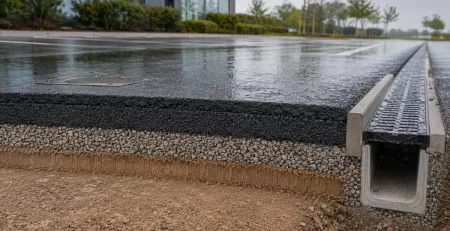
A stable sub-base, appropriate drainage design and accurate levels are essential before surfacing begins. Water management is particularly important in the UK climate, where persistent rainfall can test surface performance.
Working with experienced contractors who prioritise preparation ensures that seasonal advantages are fully realised.
Booking Ahead for the Best Results
Because late spring and summer are typically in high demand, early planning is advisable. Securing your preferred installation window reduces the likelihood of delays and allows for proper coordination with other site works.
Property owners exploring resurfacing options can review completed schemes through published case studies to understand how timing and planning influence project outcomes.
Early engagement also allows for professional site assessment, material selection and traffic management planning.
Regional Considerations Across the UK
While general guidance applies nationwide, regional variations in weather patterns can influence scheduling decisions.
Eastern counties such as Essex may experience slightly drier conditions compared to western regions. However, all UK locations remain subject to seasonal variability.
Engaging a contractor familiar with local ground conditions and climate trends helps ensure that installation timing is based on practical experience rather than assumptions.
So, When Is the Best Time?
In most cases, the best time road surfacing UK projects should be undertaken is between late spring and early autumn. This period offers warmer temperatures, improved ground stability and reduced risk of prolonged rainfall.
However, every site is unique. Project scale, traffic requirements, operational needs and local weather patterns all play a role in determining the ideal installation window.
Careful assessment, professional preparation and experienced installation remain more important than simply selecting a month on the calendar. When these elements align with favourable seasonal conditions, the result is a durable, smooth and long-lasting road surface capable of performing reliably for years to come.