Can You Resurface a Road Without Full Replacement?
For many property owners and site managers, the idea of replacing an entire road surface can seem disruptive, costly, and time-consuming. A common question that arises is whether it is possible to restore a road without completely removing and rebuilding it. In many cases, the answer is yes. Road resurfacing offers a practical and efficient alternative to full replacement, provided the underlying structure remains sound.
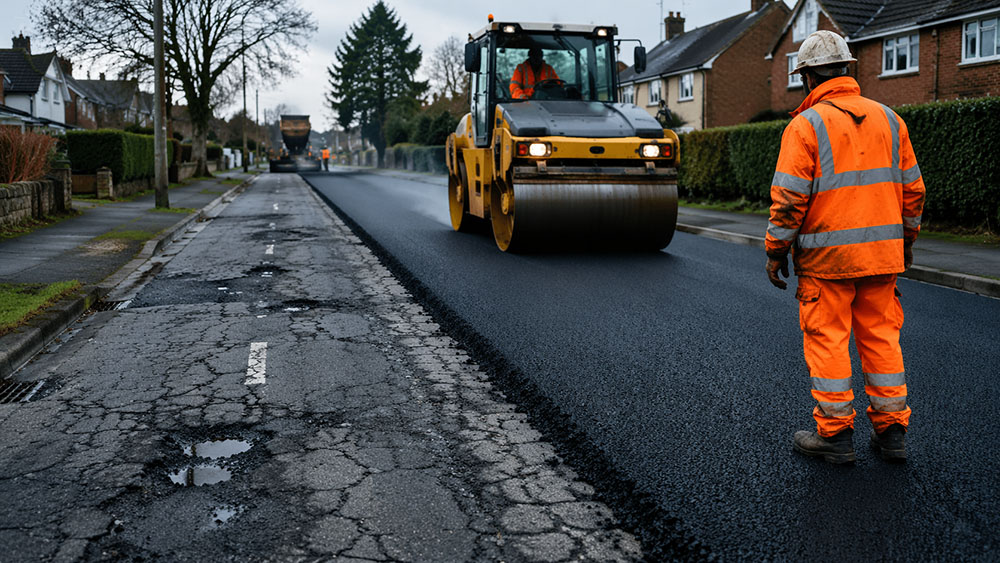
Resurfacing involves applying a new layer of material over the existing surface. This process improves appearance, restores functionality, and extends the life of the road without the need for a complete rebuild. Full replacement, on the other hand, requires excavation of the existing layers and reconstruction from the sub-base upwards. This is typically only necessary when the road has suffered significant structural failure.
Understanding the distinction between these two approaches is essential for making informed decisions about maintenance and long-term investment.
When Road Resurfacing Is a Viable Option
Resurfacing is most effective when the existing road still has a stable foundation. If the sub-base and binder layers remain intact, a new surface course can be applied to restore performance. This is commonly the case with roads that show signs of surface wear rather than deep structural damage.
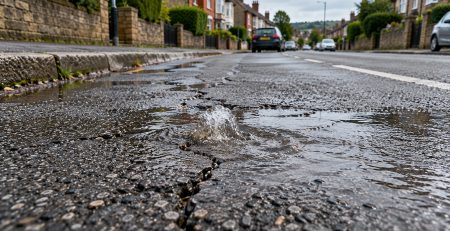
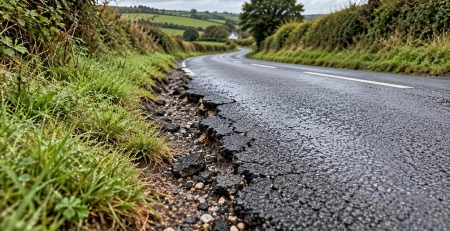
Cracks, minor potholes, surface fretting, and general ageing are all issues that can often be addressed through resurfacing. In these situations, the damage is typically confined to the upper layers, meaning the core structure continues to provide adequate support.
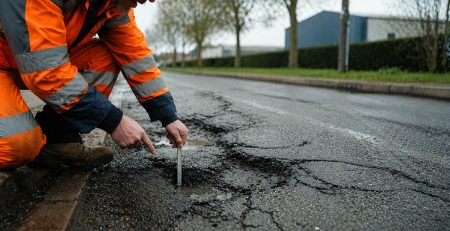
Professional contractors will usually begin with a detailed assessment to determine whether resurfacing is appropriate. This ensures that the new layer will adhere properly and deliver long-term durability. In many cases, preparatory work such as cleaning, minor repairs, and levelling is carried out before the new surface is applied.
For property owners looking to maintain access roads, car parks, or private estates, resurfacing provides a cost-effective solution that minimises disruption while achieving a professional finish.
Situations Where Full Replacement Is Necessary
While resurfacing is highly effective in the right circumstances, there are cases where full replacement cannot be avoided. If the road has extensive structural damage, simply adding a new surface layer will not resolve the underlying issues.
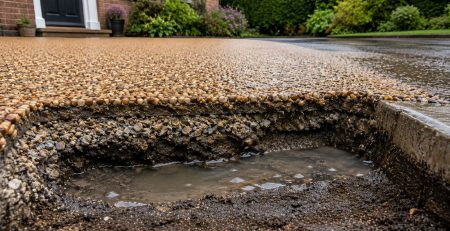
Common indicators that full replacement may be required include deep and widespread cracking, significant subsidence, poor drainage leading to water damage, and repeated failure despite previous repairs. These problems often point to a compromised sub-base, which must be addressed to ensure a stable and long-lasting surface.
Ignoring these signs and opting for resurfacing alone can lead to premature failure, resulting in higher costs over time. This is why professional evaluation is critical before any work begins.
In such cases, a complete reconstruction allows contractors to rebuild the road to modern standards, incorporating proper drainage and load-bearing capacity.
The Process of Road Resurfacing
Road resurfacing is a structured process designed to deliver consistent and durable results. It typically begins with an inspection of the existing surface to identify any areas that require repair. This step ensures that the base is suitable for the new layer.
Preparation is a key stage, as any debris, loose material, or contaminants must be removed to allow proper bonding. Damaged sections may be patched, and the surface is often levelled to create a uniform base.
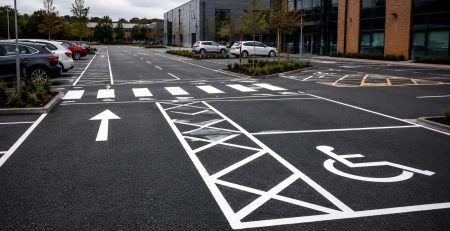
Once preparation is complete, a new layer of material, such as tarmac or asphalt, is applied. Modern techniques, including machine lay tarmac, ensure a smooth, even finish with consistent thickness. This not only improves the appearance of the road but also enhances its durability and resistance to wear.
After installation, the surface is compacted and allowed to cure, resulting in a strong and reliable finish that can withstand regular use.
Benefits of Resurfacing Over Full Replacement
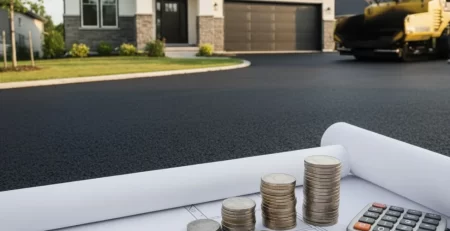
One of the primary advantages of resurfacing is cost efficiency. By retaining the existing structure, material and labour costs are significantly reduced compared to a full rebuild. This makes it an attractive option for property owners managing budgets without compromising on quality.
Resurfacing also requires less time to complete, which minimises disruption to daily operations. This is particularly important for commercial sites, where access must be maintained as much as possible.
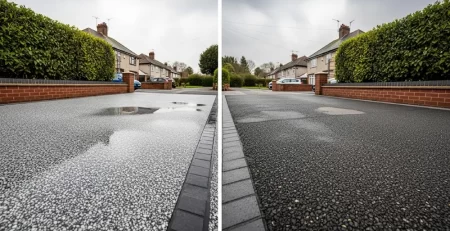
In addition to practical benefits, resurfacing improves the overall appearance of the road, creating a clean and professional finish. This can have a positive impact on property value and user experience, especially in environments such as business premises or residential developments.
Working with experienced commercial surfacing contractors ensures that resurfacing is carried out to a high standard, delivering long-lasting results that meet the demands of the site.
Limitations of Resurfacing
Despite its advantages, resurfacing is not a universal solution. Its effectiveness depends entirely on the condition of the existing road. If the underlying layers are unstable, resurfacing will only provide a temporary fix.
Another consideration is that resurfacing adds height to the road surface. In some cases, this can affect drainage, kerb levels, or access points. Professional planning is required to ensure that these factors are properly managed.
It is also important to recognise that resurfacing does not address deep-rooted issues such as poor construction or inadequate sub-base materials. In these situations, full replacement remains the only reliable option.
Understanding these limitations helps property owners make informed decisions and avoid unnecessary costs in the future.
The Role of Repairs Before Resurfacing
In many projects, resurfacing is combined with targeted repairs to ensure the best possible outcome. Addressing localised damage before applying a new surface layer helps create a stable and uniform base.
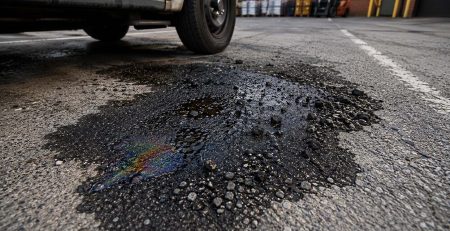
This may include filling potholes, repairing cracks, and correcting minor surface defects. Services such as pothole repairs play an important role in preparing the road for resurfacing, ensuring that the final result is both durable and visually consistent.
By integrating repairs into the resurfacing process, contractors can maximise the lifespan of the new surface and reduce the likelihood of future issues.
How to Determine the Right Approach
Choosing between resurfacing and full replacement requires careful assessment of several factors. The condition of the existing road, the level of traffic it supports, and the long-term requirements of the site all play a role in determining the most suitable solution.
Professional contractors will typically conduct a thorough evaluation, considering both visible damage and underlying structural integrity. This allows them to recommend the most effective approach based on the specific needs of the project.
For many property owners, resurfacing offers a practical balance between cost, performance, and longevity. However, when structural issues are present, investing in full replacement can provide greater long-term value.
Long-Term Performance and Maintenance
Whether a road is resurfaced or fully replaced, ongoing maintenance is essential to ensure long-term performance. Regular inspections, prompt repairs, and proper drainage management all contribute to extending the lifespan of the surface.
Resurfaced roads can perform exceptionally well when maintained correctly, often providing many years of reliable service. Preventative measures help protect the investment and reduce the need for more extensive work in the future.
Engaging experienced professionals for both installation and maintenance ensures that the road continues to meet safety and performance standards over time.
Conclusion
Resurfacing a road without full replacement is not only possible but often the most practical solution when the existing structure remains sound. It provides a cost-effective, efficient, and less disruptive way to restore functionality and appearance.
However, the success of resurfacing depends on accurate assessment and proper preparation. Understanding when repairs are sufficient and when full reconstruction is necessary is key to achieving durable and reliable results.
By working with qualified contractors and adopting a proactive approach to maintenance, property owners can ensure that their road surfaces remain safe, functional, and visually appealing for years to come.