How Repeated Braking Zones Damage Asphalt
Repeated braking zones are areas of a road or paved surface where vehicles consistently decelerate. These locations are typically found at junctions, roundabouts, pedestrian crossings, entrances to commercial premises, loading bays, and areas with frequent stop-start traffic. While these zones are a normal part of road use, they place unique and concentrated stress on asphalt surfaces that differ significantly from standard traffic movement.
In the UK, where mixed traffic conditions and varying weather patterns are common, braking zones can deteriorate far more quickly than other sections of a road. Property owners and site managers often notice that these areas develop visible wear earlier, even when the rest of the surface remains in good condition.
Understanding why this happens requires a closer look at how vehicles interact with asphalt during deceleration and how material performance is affected over time.
The Mechanical Stress Caused by Braking
Friction and Surface Shear Forces
When a vehicle brakes, its tyres create intense friction against the road surface. This friction generates shear forces that act horizontally across the asphalt. Unlike steady driving, where weight is distributed more evenly, braking concentrates force in a smaller area and disrupts the surface structure.
Over time, this repeated stress weakens the bond between aggregates and the bitumen binder within the asphalt. As a result, the surface begins to lose its integrity, leading to early-stage wear such as scuffing and polishing.
Weight Transfer and Load Concentration
During braking, a vehicle’s weight shifts forward. This increases the load on the front tyres, intensifying pressure on specific points of the road surface. In heavy traffic areas, especially those used by commercial vehicles, this repeated load concentration accelerates structural fatigue.
For sites with frequent HGV movement, such as industrial yards or delivery zones, this issue becomes even more pronounced. Without proper design and installation, these areas are particularly vulnerable to deformation.
Common Types of Damage in Braking Zones
Surface Rutting
Rutting appears as depressions or grooves in the wheel paths. In braking zones, rutting occurs because softened asphalt is displaced under repeated pressure and friction. This is especially common in warmer weather when the bitumen binder becomes more pliable.
Rutting not only affects the appearance of the surface but also creates safety concerns, as it can lead to water accumulation and reduced tyre grip.
Shoving and Rippling
Shoving refers to the horizontal displacement of asphalt, often creating a wave-like pattern across the surface. This type of damage is directly linked to braking forces pushing the material forward.
Rippling can develop in areas where vehicles frequently stop, such as at traffic lights or site entrances. These deformations indicate that the asphalt mix or sub-base may not be adequately designed for high-stress conditions.
Cracking and Surface Fatigue
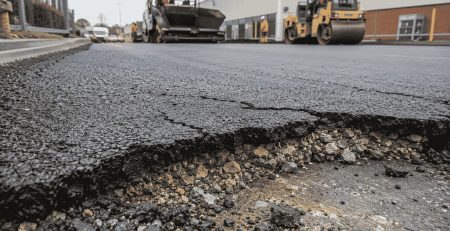
Repeated braking weakens the structural cohesion of asphalt, eventually leading to cracks. These may begin as small surface fractures but can quickly expand into more serious issues if water penetrates the layers below.
Cracking is often an early sign that the surface is no longer able to withstand the repeated stress being applied to it. Without timely intervention, this can progress into potholes.
Pothole Formation
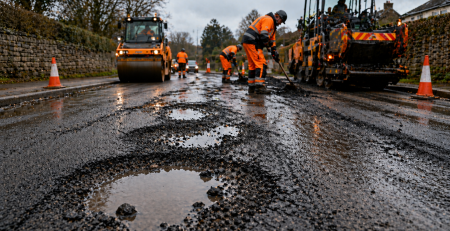
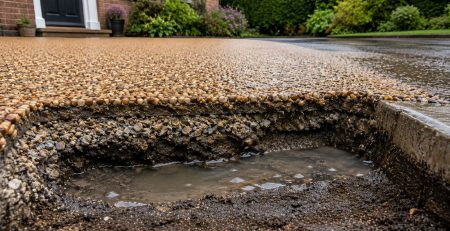
Potholes are a common outcome of prolonged stress and neglect in braking zones. Once cracks allow water ingress, freeze-thaw cycles and continued traffic loading cause sections of the surface to break away.
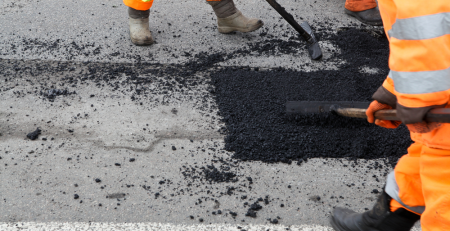
Regular maintenance and timely pothole repairs are essential to prevent minor issues from escalating into larger, more costly problems.
Why Some Surfaces Fail Faster Than Others
Poor Material Selection
Not all asphalt mixes are suitable for high-stress environments. Standard surfacing materials may perform well under normal traffic conditions but fail prematurely in braking zones.
Specialist mixes designed for durability and resistance to deformation are often required in these areas. Choosing the right material is a critical factor in long-term performance.
Inadequate Installation Techniques
The quality of installation plays a significant role in how well a surface withstands braking forces. Poor compaction, incorrect layer thickness, or insufficient preparation can all contribute to early failure.
Professional tarmac installation ensures that the surface is properly constructed to handle the specific demands of its environment.
Weak Sub-Base Structure
The sub-base provides foundational support for the asphalt layer. If this layer is not adequately prepared or is unable to distribute loads effectively, the surface above will deteriorate more quickly.
In braking zones, where forces are concentrated, a strong and stable sub-base is essential to prevent deformation and structural damage.
Environmental Factors
UK weather conditions can exacerbate the effects of braking stress. Rainwater infiltration, combined with temperature fluctuations, accelerates material breakdown. In colder months, freeze-thaw cycles can worsen cracks and lead to rapid deterioration.
High-Risk Areas for Braking Damage
Commercial Entrances and Exits
Sites with frequent vehicle movement, particularly those involving delivery vehicles, are highly susceptible to braking-related damage. Entrances and exits often show early signs of wear due to repeated deceleration and turning movements.
Car Parks and Loading Bays
Car parks experience constant stop-start traffic, making them prone to surface fatigue. Loading bays, where heavy vehicles brake and manoeuvre, are especially vulnerable.
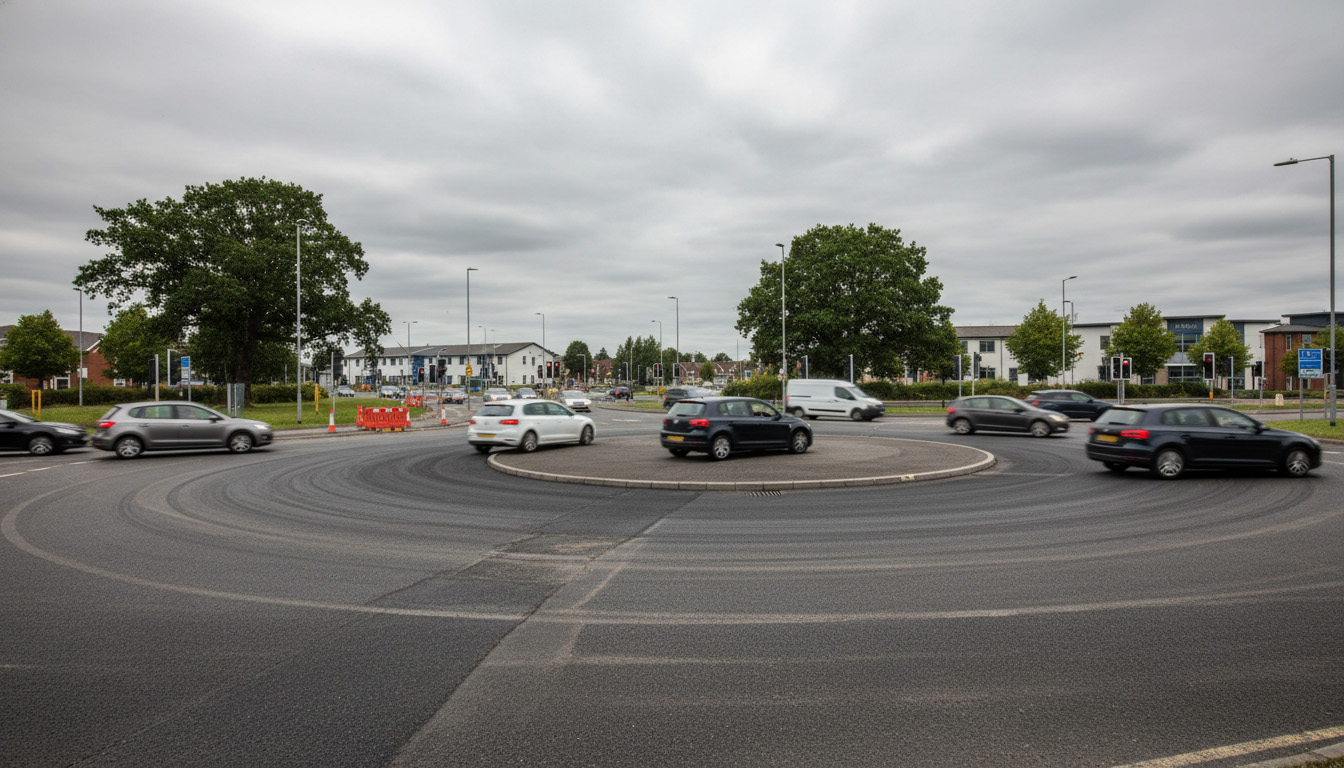
Junctions and Roundabouts
Public roads with high traffic volumes and regular braking activity often develop visible wear patterns. These areas require robust surfacing solutions to maintain safety and performance.
Preventing Damage in Braking Zones
Using Heavy-Duty Asphalt Mixes
Selecting asphalt mixes specifically designed for high-stress areas can significantly improve durability. These mixes offer better resistance to deformation and maintain their structure under repeated braking forces.
Reinforced Surface Layers
In some cases, additional reinforcement may be required to strengthen the surface. This can include thicker asphalt layers or the use of specialised binders that enhance flexibility and resilience.
Proper Site Preparation
Effective preparation is key to long-term performance. This includes ensuring a stable sub-base, proper drainage, and accurate grading. Without these elements, even high-quality materials can fail prematurely.
Professional Installation Methods
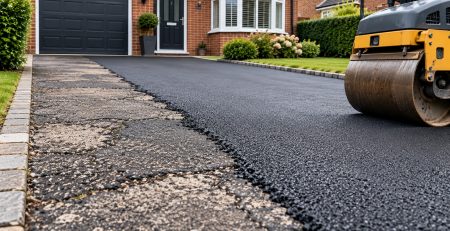
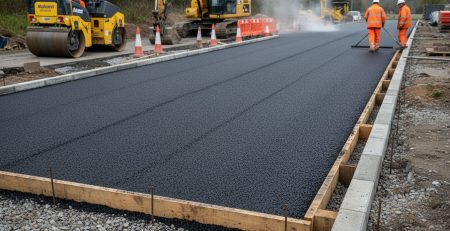
Machine-laid surfacing provides a more consistent and durable finish compared to manual methods. Services such as machine lay tarmac ensure uniform compaction and improved surface integrity, which is particularly important in braking zones.
The Importance of Ongoing Maintenance
Even with the best materials and installation practices, braking zones require regular inspection and maintenance. Early identification of wear allows for targeted repairs before more serious damage develops.
A proactive approach helps extend the lifespan of the surface and reduces long-term costs. For commercial property owners and site managers, this is an essential part of maintaining safe and functional access routes.
Long-Term Benefits of Properly Designed Braking Zones
Investing in the correct surfacing solutions for braking zones delivers measurable benefits over time. Surfaces remain structurally sound for longer, reducing the frequency of repairs and minimising disruption to site operations.
Well-maintained surfaces also contribute to improved safety, as they provide better traction and reduce the risk of accidents caused by uneven or damaged areas.
For businesses, this translates into a more professional appearance and a more reliable infrastructure that supports daily operations without unexpected issues.
Conclusion
Repeated braking zones are one of the most demanding environments for asphalt surfaces. The combination of friction, load concentration, and environmental exposure creates conditions that accelerate wear and structural damage.
Understanding the causes of this deterioration allows property owners and site managers to make informed decisions about materials, installation, and maintenance. By addressing these factors early, it is possible to significantly extend the lifespan of road surfaces and maintain safe, high-performing access routes.