How Utility Trenches Weaken Commercial Road Structures
Utility trenches are an unavoidable part of modern infrastructure. They allow essential services such as water, gas, electricity, and telecommunications to reach commercial properties and industrial sites. However, while these trenches serve a critical purpose, they also introduce structural vulnerabilities into road systems that are often underestimated during planning and construction.
For commercial property owners and site managers, understanding how utility trenches affect road performance is essential. Without proper consideration, these excavated sections can become the starting point for long-term deterioration, leading to safety concerns, operational disruption, and increased maintenance costs.
What Are Utility Trenches in Commercial Settings?
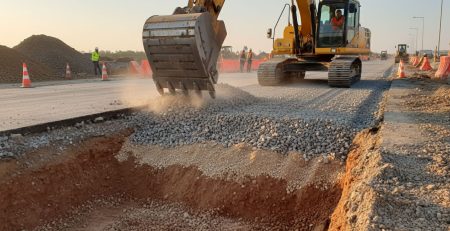
Utility trenches are excavated channels cut into existing or prepared ground to install or repair underground services. In commercial environments, these trenches are frequently found beneath access roads, loading bays, car parks, and service routes.
The issue lies not in the trench itself, but in how it disrupts the engineered structure of a road. A professionally constructed road is designed as a layered system, where each layer contributes to strength, load distribution, and durability. When a trench cuts through these layers, it interrupts that uniform structure and creates a potential weak point.
Even when reinstated, the trench area rarely performs identically to the original construction unless it is handled with precision and expertise.
How Road Structures Are Designed to Perform
To understand why trenches weaken roads, it is important to consider how a typical commercial road is built. The structure usually consists of a subgrade, a sub-base, a binder course, and a surface course. Each layer is carefully compacted and designed to work together to distribute loads evenly.
When vehicles pass over the surface, the load is transferred down through these layers and spread across a wider area. This reduces stress and prevents deformation. Consistency across the entire structure is key to maintaining long-term performance.
When a trench is introduced, that consistency is broken. The original materials are removed, and new materials are introduced during reinstatement. Even small differences in compaction or material quality can result in uneven load distribution.
The Problem of Differential Settlement
One of the most common issues associated with utility trenches is differential settlement. This occurs when the reinstated trench settles at a different rate compared to the surrounding road.
Over time, the backfilled material within the trench can compress further under traffic loads. This creates a visible dip or depression along the trench line. In commercial environments where heavy vehicles are common, this process can accelerate significantly.
Differential settlement not only affects the appearance of the road but also creates structural stress. As vehicles move over uneven surfaces, additional forces are generated, which can lead to cracking and surface fatigue.
Weak Joints and Edge Failure
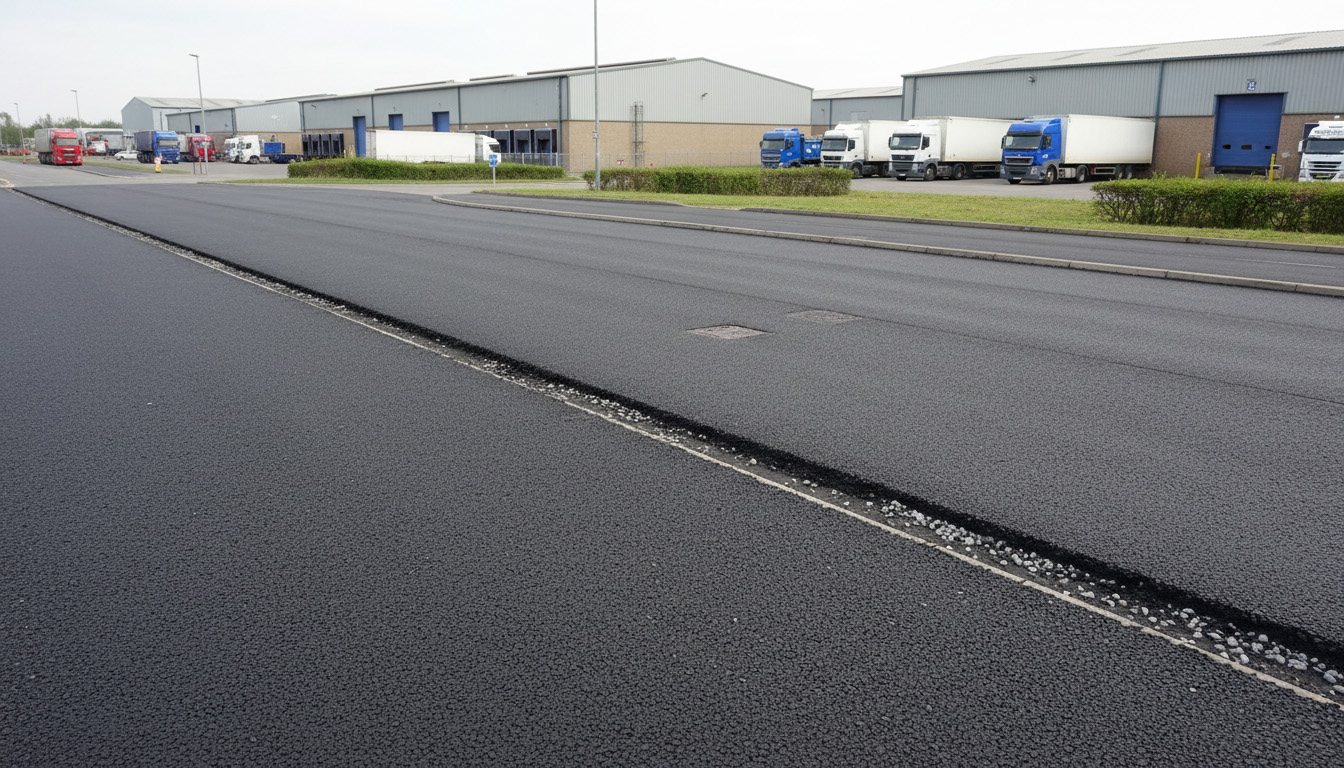
Another critical issue is the formation of weak joints along the edges of the trench. These joints represent the boundary between the original road structure and the reinstated section.
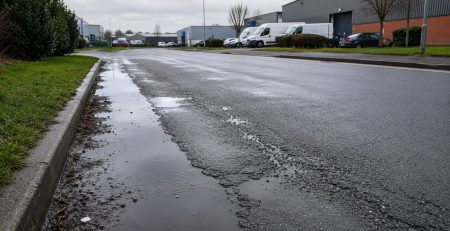
If these edges are not properly bonded and sealed, they become vulnerable to cracking. Once cracks form, they provide a pathway for water to enter the road structure. This is particularly problematic in the UK climate, where frequent rainfall can quickly exploit these weaknesses.
Over time, edge failure can spread beyond the trench itself, affecting a wider area of the road. This often results in costly repairs and, in severe cases, the need for full resurfacing.
Water Ingress and Structural Damage
Water is one of the most damaging elements for any road surface, and utility trenches significantly increase the risk of water ingress. The reinstated area can act as a channel, allowing water to penetrate deeper into the structure.
When water reaches the sub-base, it reduces its load-bearing capacity. During colder periods, freeze-thaw cycles can further expand cracks and weaken the structure. This combination of factors accelerates the deterioration process.
Effective drainage design and proper sealing are essential to mitigate these risks. Integrating these considerations into the early stages of road surfacing planning UK helps ensure long-term durability.
Increased Stress from Commercial Traffic
Commercial roads are subject to higher loads than typical residential surfaces. Delivery vehicles, HGVs, and industrial equipment all place significant stress on the road structure.
When these loads pass over a trench, the stress is concentrated along the reinstated section and its edges. This concentration can lead to faster wear and tear compared to the rest of the surface.
In high-traffic areas, even minor weaknesses can quickly develop into serious defects. This is why trench reinstatement must be designed to withstand the same level of loading as the original road.
Working with experienced commercial surfacing contractors ensures that these factors are properly addressed during both planning and installation.
Poor Reinstatement Practices
Not all trench reinstatement is carried out to the same standard. Poor practices are a major contributor to long-term road failure. These can include inadequate compaction, incorrect material selection, or insufficient layer thickness.
In some cases, reinstatement is rushed to minimise disruption, leading to shortcuts that compromise quality. While this may provide a temporary solution, it often results in more significant problems over time.
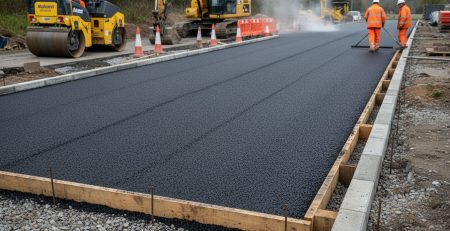
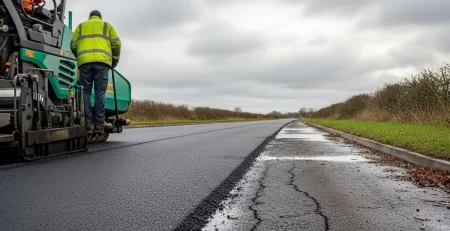
Professional reinstatement involves careful layering, controlled compaction, and precise finishing. Techniques such as machine lay tarmac help achieve a consistent surface that integrates seamlessly with the existing road.
Long-Term Consequences of Trench Weakness
The long-term impact of poorly managed utility trenches can be substantial. Initial signs such as slight depressions or minor cracking may seem insignificant, but they often indicate deeper structural issues.
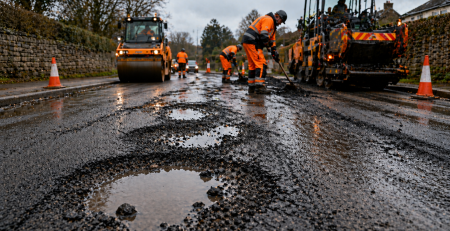
As deterioration progresses, these areas can develop into potholes, surface deformation, and even structural failure. This not only affects the usability of the road but also creates safety risks for vehicles and pedestrians.
Addressing these issues early through professional pothole repairs can help manage damage, but prevention through proper planning and installation is always more effective.
Preventing Structural Weakness from Trenches
Preventing trench-related issues begins with early planning. Coordinating utility installation before final surfacing reduces the need for future excavation. Where trenches are unavoidable, they must be carefully integrated into the construction process.
This includes selecting appropriate backfill materials, ensuring proper compaction, and achieving a strong bond between new and existing surfaces. Attention to detail at every stage is essential for maintaining structural integrity.
Incorporating trench considerations into the wider tarmac installation process ensures that the finished surface performs as a cohesive system rather than a collection of separate elements.
The Role of Ongoing Maintenance
Even with high-quality construction, regular maintenance is necessary to manage the long-term effects of utility trenches. Routine inspections can identify early signs of settlement or cracking, allowing for timely intervention.
Maintenance activities such as crack sealing and surface repairs help prevent water ingress and slow the progression of damage. For commercial sites, this proactive approach reduces disruption and extends the lifespan of the road.
A well-maintained surface not only performs better but also reflects positively on the overall standard of the property.
Conclusion
Utility trenches are a necessary part of modern infrastructure, but they introduce structural challenges that cannot be ignored. From differential settlement and weak joints to water ingress and increased stress under traffic, the risks are significant if not properly managed.
For commercial property owners and site managers, understanding these risks is the first step towards prevention. Through careful planning, professional installation, and ongoing maintenance, it is possible to minimise the impact of trenches and maintain durable, reliable road surfaces.