Asphalt Fatigue Cracking Causes and Prevention UK
Asphalt fatigue cracking is a warning sign, not just a surface mark. UK roads, car parks, estate roads, and commercial access areas often fail because repeated traffic load meets weak base support, poor drainage, and wet weather. The expert action is to inspect the crack pattern, water movement, asphalt depth, base condition, and traffic load before choosing sealing, patching, overlay, reinforcement, or full-depth repair.
Tip: Early Asphalt Fatigue Cracking checks can stop small cracks becoming costly surface failure.
Asphalt Fatigue Cracking Causes and Prevention UK
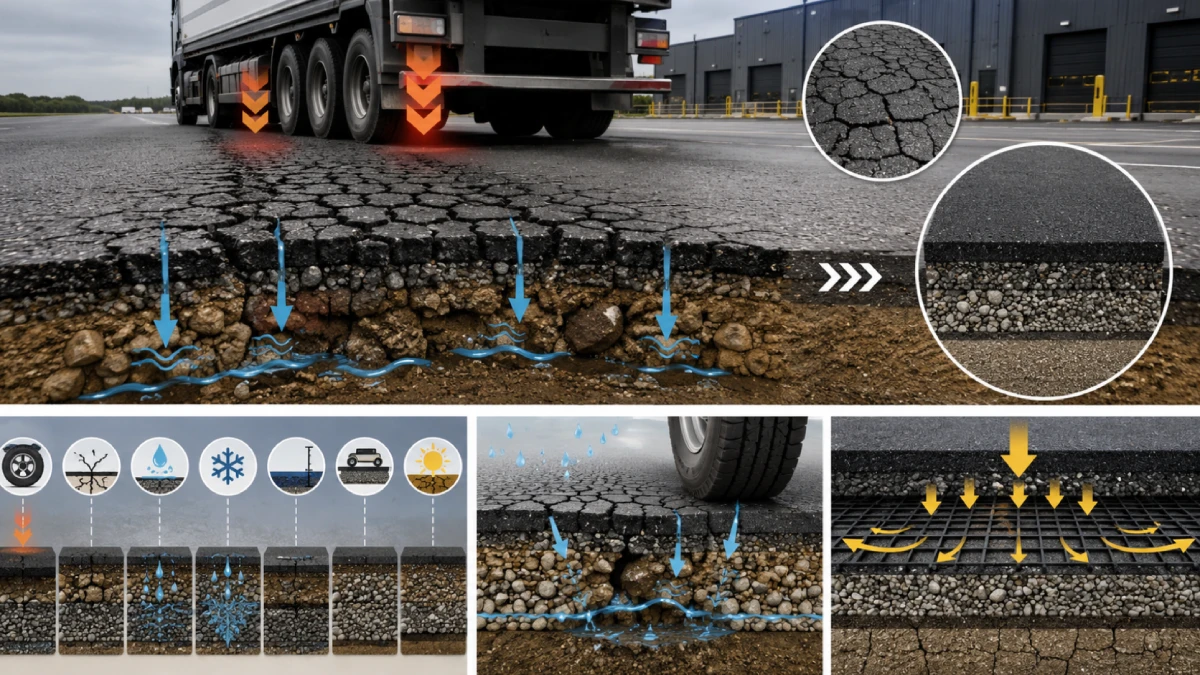
Fatigue cracking usually appears where asphalt flexes too often under traffic. The connected pattern often looks like crocodile skin. The real issue is usually load, base weakness, drainage failure, or poor asphalt structure.
| Main Factor | What Happens | What It Usually Means |
| Heavy traffic | Asphalt bends repeatedly | Surface has exceeded load capacity |
| Weak sub-base | Asphalt loses support | Structural repair may be needed |
| Poor drainage | Water weakens lower layers | Cracks spread faster |
| Freeze-thaw | Water expands inside cracks | Winter damage accelerates failure |
| Thin asphalt | Layer cannot carry load | Specification may be wrong |
| Poor bonding | Layers separate under stress | Tack coat or compaction issue |
| Ageing binder | Asphalt loses flexibility | Maintenance may be overdue |
Fatigue cracking is often called alligator cracking or crocodile cracking. It normally starts with fine cracks in wheel paths or load zones. If ignored, it can develop into loose asphalt, potholes, rutting, and full surface failure.
Image prompt: Create a professional infographic-style UK asphalt surface image showing crocodile cracking in wheel paths, a cutaway base layer, water entering cracks, HGV load pressure, and repair options shown with icons. No humans, no readable text, clean road-surfacing style.
Alt tag: asphalt fatigue cracking causes and prevention UK
Causes of Fatigue Cracking in the UK
UK asphalt fails faster when repeated loading combines with wet weather. The cause is rarely one simple crack. Most fatigue cracking comes from traffic, weak support, water ingress, poor construction, ageing binder, or under-designed pavement.
The main causes are repeated vehicle loading, poor drainage, weak sub-base, thin asphalt, failed patching, and poor layer bonding. These problems often work together. A surface may look repairable, but the weakness can sit deeper.
UK conditions make the problem worse because surfaces are exposed to frequent rain. Water gets into small cracks and weakens the structure below. Cold weather then widens existing cracks through freeze-thaw movement.
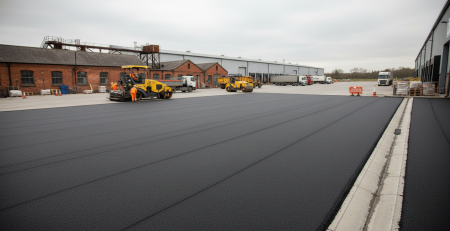
For large-use surfacing, the same pattern appears in yards and loading areas. Heavy vehicles, turning tyres, and standing water increase stress. This makes an industrial yard surface planning guide useful when asphalt cracks appear in commercial areas.
Crocodile Cracks Mean Hidden Movement
Crocodile cracking is not the same as one isolated surface crack. It forms connected blocks because the asphalt has been bending repeatedly. That bending usually means the pavement structure is under stress.
The cracks often appear in wheel tracks, turning zones, junctions, loading bays, and patch edges. These are places where tyres apply repeated pressure. Heavy braking and slow turning can make the stress worse.
The early signs are fine linked cracks, dark wet lines, and slight depressions. Severe signs include loose asphalt pieces, potholes, and water-filled cracks. If the surface moves under vehicles, the problem is already structural.
A surface finish alone will not correct hidden movement. If someone only seals the top, water may still enter from the side or through weak joints. That is why cause assessment must come before repair.
Heavy Traffic Breaks Weak Asphalt Fast
Traffic loading is the direct pressure behind fatigue cracking. Repeated loads bend the asphalt until it reaches the end of its fatigue life. HGVs, buses, refuse lorries, delivery vans, forklifts, and estate traffic increase this risk.
A domestic driveway does not face the same stress as a service road. A business park road does not face the same stress as a light residential access. Asphalt thickness and base design must match the traffic.
Turning areas are especially vulnerable. Tyres twist the surface while weight pushes downward. Loading bays and entrances often fail first because vehicles slow, turn, brake, and repeat the same movement.
If the current surface is no longer suitable, compare wider options using this low-maintenance driveway material guide. This helps separate surface choice from structural need. For resin alternatives, review these resin driveway planning considerations.
Water Ingress Makes UK Cracks Spread
Water is one of the strongest UK cracking accelerators. Rain enters fine cracks, weakens the lower layers, and softens the sub-base. Once support is lost, the asphalt bends more under every vehicle pass.
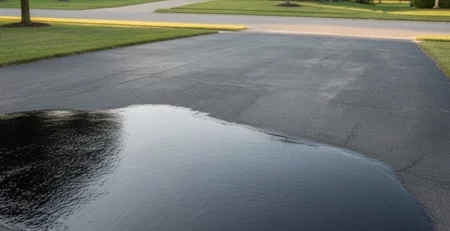
Blocked drains and poor falls make the problem worse. Standing water keeps cracks wet and allows damage to continue below the surface. A small crack can become a pothole when the base starts to move.
Freeze-thaw cycles add another problem. Water inside cracks expands during freezing conditions. That movement widens cracks and loosens asphalt around the damaged area.
Drainage must be checked before resurfacing. A new overlay can fail if water is still trapped below. For drainage thinking across hard surfaces, this resin bound surface drainage guide supports the same water-control principle.
Weak Base Support Starts the Failure
A strong asphalt surface needs a strong base underneath. When the sub-base is soft, thin, poorly compacted, or water-damaged, the asphalt loses support. That unsupported asphalt bends until cracking spreads.
Poor compaction is a common hidden problem. The surface may look smooth after installation, but weak areas can settle under repeated traffic. Once settlement starts, cracks follow the depression.
The base must match the site use. Private roads, car parks, estates, and business parks often need stronger build-ups than light domestic surfaces. Base design should consider traffic frequency, load weight, drainage, and ground condition.
A weak base should not be covered blindly. It should be inspected, cut out, rebuilt, or strengthened before resurfacing. For deeper support planning, use this road base course purpose guide.
Cold Joints and Tack Coat Problems
Fatigue cracking can also come from poor asphalt bonding. When separate asphalt layers do not bond properly, they stop acting as one structure. This allows movement between layers and creates early cracking.
A tack coat helps new asphalt bond to an existing asphalt layer. If the tack coat is missing, weak, dusty, or badly applied, the layers can separate. This is especially risky in overlays and patch repairs.
Cold joints can also create weak lines. If asphalt cools before proper compaction or joining, the edge may crack under traffic. Water then enters the joint and expands the failure.
Bad patching creates the same issue. Patch edges must be cut, cleaned, compacted, and bonded properly. Otherwise, the patch becomes a new crack line instead of a repair.
Asphalt Reinforcement for Repeat Cracks
Asphalt reinforcement is useful when cracking risk is high. It can help reduce crack reflection, distribute stress, and support overlay performance. It is not a cure for every failed base, but it can strengthen the right repair design.
Reinforcement may include geosynthetic interlayers, grids, or paving reinforcement systems. These are often installed between asphalt layers. Their role is to help control crack movement and improve the life of an overlay.
Reinforcement works best when the base is still suitable. If the sub-base has failed, reinforcement alone is not enough. The failed material still needs repair, drainage correction, and proper compaction.
Use reinforcement when the site has repeated cracking, previous patch lines, or movement risk. It is especially useful in roads, commercial access areas, and resurfacing projects where crack control matters. The decision should follow inspection, not guesswork.
Prevention and Maintenance Strategies
Prevention starts before cracks become visible. The strongest strategy is to build the right pavement for the load, water conditions, and site use. Maintenance then slows small defects before they become structural failure.
Start with correct excavation, base depth, compaction, asphalt thickness, and drainage. Use asphalt materials that match traffic demand. Do not use light-duty surfacing in heavy-use zones.
Keep water away from the structure. Clear gullies, repair channels, fix standing water, and seal early cracks before winter. Water control is one of the cheapest ways to reduce repeat cracking.
A planned maintenance programme is better than emergency patching. Inspect surfaces after winter, after heavy vehicle use, and before cracks spread. For larger managed sites, this business park road condition guide helps connect surface condition with long-term planning.
Repair Choice by Crack Severity
The right repair depends on crack severity. Early isolated cracks may be sealed if the base is still stable. Widespread crocodile cracking usually needs deeper work.
| Crack Condition | Likely Cause | Practical Repair Direction |
| Fine isolated cracks | Early surface opening | Seal before water enters |
| Wheel-path linked cracks | Repeated load stress | Inspect base and asphalt depth |
| Cracked patch edges | Poor reinstatement | Cut, bond, and patch correctly |
| Wet crocodile cracks | Drainage and base weakness | Fix drainage and rebuild area |
| Rutting with cracks | Structural failure | Full-depth repair likely |
| Repeated potholes | Base loss or water damage | Reconstruct failed section |
Seal coating can help some low-load surfaces, but it has limits. It may slow weathering and reduce water entry on suitable asphalt. It does not fix failed base support, rutting, debonded layers, or widespread fatigue cracking.
Surface dressing should not be used as a cover-up. If cracks show movement, the repair must go deeper. A patch must remove the failed material and restore support.
When Full Reconstruction Is Needed
Full reconstruction is needed when the asphalt has lost structural support. Severe crocodile cracking, rutting, sinking, repeated potholes, and wet base movement are warning signs. Surface coating or thin overlay will usually fail again.
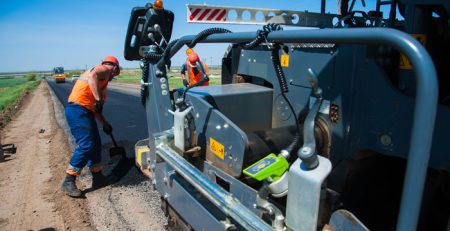
The failed section may need saw cutting, excavation, base replacement, compaction, drainage repair, and new asphalt layers. This is more work than sealing, but it solves the cause. Cheap surface-only repairs often return faster.
Milling and overlay can work when the structure below is still sound. If the base is not sound, an overlay only hides the failure for a short time. Inspection should decide whether overlay or reconstruction is the correct route.
If a site is changing surface type after repeated asphalt failure, check the resin base preparation method. It explains why preparation matters before any new surface system. Poor base work can damage both asphalt and resin finishes.
Local Surface Support and Related Guides
Local service pages help readers move from research to action. Fatigue cracking may need asphalt inspection, drainage correction, reconstruction, or a different surface option. The right route depends on load, base, water, and site use.
For Bedfordshire projects, compare resin bound driveways in Bedfordshire if old asphalt or concrete is no longer the right domestic surface. This is useful when appearance, drainage, and preparation matter. It also gives homeowners a practical route after surface failure.
For Oxford properties, review resin bound driveways in Oxford when worn asphalt has affected kerb appeal. A local inspection can confirm whether removal, preparation, or replacement is needed. This helps avoid laying a new finish over a weak base.
For Cambridgeshire homes, see resin bound driveways in Cambridgeshire if cracking, staining, or poor drainage has made the existing surface difficult to maintain. The base must still be checked before any new surface. Preparation remains the main factor.
For Essex properties, explore resin bound driveways in Essex where worn asphalt or concrete needs a cleaner upgrade. Surface choice should follow drainage and base checks. This prevents a new finish from failing early.
For Hertfordshire homes, compare resin bound driveways in Hertfordshire if cracking has made the current driveway look tired or uneven. The installer should check the old surface first. A prepared base gives the new finish a stronger start.
For wider surfacing help, visit Total Surfacing Solutions. This is useful when the issue may involve asphalt repair, driveway preparation, or surface replacement. It gives readers a direct company route after diagnosis.
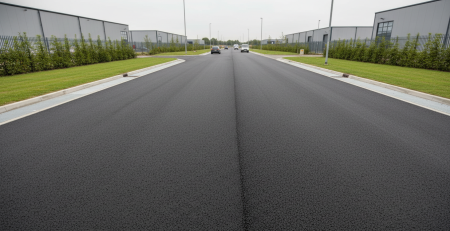
If the damaged area is part of a private development, this estate road maintenance factors guide is relevant. Estate roads often face repeated traffic and limited maintenance. Early inspection helps prevent larger resurfacing costs.
Asphalt Fatigue Cracking Causes and Prevention UK: Resin Bound Driveways Area Coverage
Resin bound driveways can be a useful surface option when older asphalt, concrete, gravel, or paving is becoming cracked, tired, uneven, or difficult to maintain. Rain, frost, humidity, heat, drainage pressure, traffic load, local property type, and seasonal maintenance challenges can all affect driveway performance, so each area needs the right surface planning before installation.
Resin Bound Driveways in Bedfordshire
Bedfordshire properties often deal with regular rainfall, winter frost, shaded damp areas, and everyday vehicle use from family homes, village properties, and suburban driveways. Older asphalt or concrete can show cracking, surface wear, and drainage issues when the base or water movement is not managed properly. For homeowners who want a cleaner finish with better kerb appeal and easier long-term maintenance, resin bound driveways in Bedfordshire can be a practical upgrade.
Resin Bound Driveways in Cambridgeshire
Cambridgeshire driveways often need careful planning because flat ground, rainwater movement, seasonal dampness, surface dust, and drainage pressure can affect long-term surface strength. Rural homes, new-build estates, and larger residential properties may need a driveway surface that looks neat while handling everyday use. If cracking, staining, or poor drainage has made the existing surface difficult to maintain, resin bound driveways in Cambridgeshire can help improve appearance and usability.
Resin Bound Driveways in Essex
Essex homes may face rain, summer heat, coastal air in some areas, surface dust, tyre marks, and strong kerb appeal expectations from commuter homes, family properties, rental homes, and coastal residences. Salt air, moisture, and frequent vehicle use can make older driveways look faded, cracked, stained, or uneven over time. For homeowners who want a cleaner and more durable surface option, resin bound driveways in Essex can offer a strong local upgrade.
Resin Bound Driveways in Hertfordshire
Hertfordshire driveways are often expected to look smart, clean, and suitable for high-value commuter homes, family properties, and well-kept residential streets. Rain, frost, shaded entrances, moss growth, tyre pressure, and regular parking can make old asphalt, concrete, tarmac, block paving, or gravel look tired over time. For homeowners who want a decorative finish that supports kerb appeal while reducing maintenance pressure, resin bound driveways in Hertfordshire can be a reliable local solution.
Resin Bound Driveways in Oxford
Oxford properties include period homes, townhouses, modern driveways, student rentals, and visitor-heavy residential areas where driveway appearance can strongly affect first impressions. Rain, frost, humidity, shaded entrances, moss, and frequent foot or vehicle traffic can make older surfaces slippery, cracked, stained, or uneven. For homeowners who want a finish that suits local property character while supporting drainage, safety, and easier maintenance, resin bound driveways in Oxford can be a dependable upgrade.
FAQs
Can crocodile cracking be sealed permanently?
No, not when the cracking is structural. Sealing can help early cracks where the base is still stable. Widespread crocodile cracking usually needs deeper repair.
Why do asphalt cracks return after patching?
Cracks return when the patch does not fix the cause. The base may still be weak, wet, or poorly compacted. Patch edges may also fail if bonding is poor.
Does seal coating stop asphalt fatigue cracking?
Seal coating can support surface maintenance in suitable low-load areas. It cannot fix weak base, rutting, layer separation, or widespread fatigue cracking. Use it as maintenance, not structural repair.
Should asphalt be repaired before winter?
Yes, early cracks should be treated before winter where possible. Water entering cracks can freeze and expand. This makes UK winter conditions a major crack accelerator.
When should asphalt reinforcement be used?
Asphalt reinforcement should be considered where overlays face crack reflection or repeated stress. It works best when the base is stable. Failed sub-base areas must still be repaired first.
Conclusion
Asphalt fatigue cracking causes and prevention UK work begins with the same rule: find the cause before choosing the repair. Repeated traffic, weak base support, poor drainage, thin asphalt, bad bonding, and ageing binder can all create crocodile cracking. The best prevention is strong base design, water control, correct asphalt specification, proper installation, planned maintenance, and structural repair when the pavement has already failed.