Could Glow-in-the-Dark Road Markings Replace Streetlights?
Road infrastructure continues to evolve as local authorities and private landowners look for ways to improve safety while reducing operating costs. Rising energy prices, increasing environmental targets, and advances in construction materials have encouraged the development of innovative solutions that extend beyond traditional asphalt and tarmac.
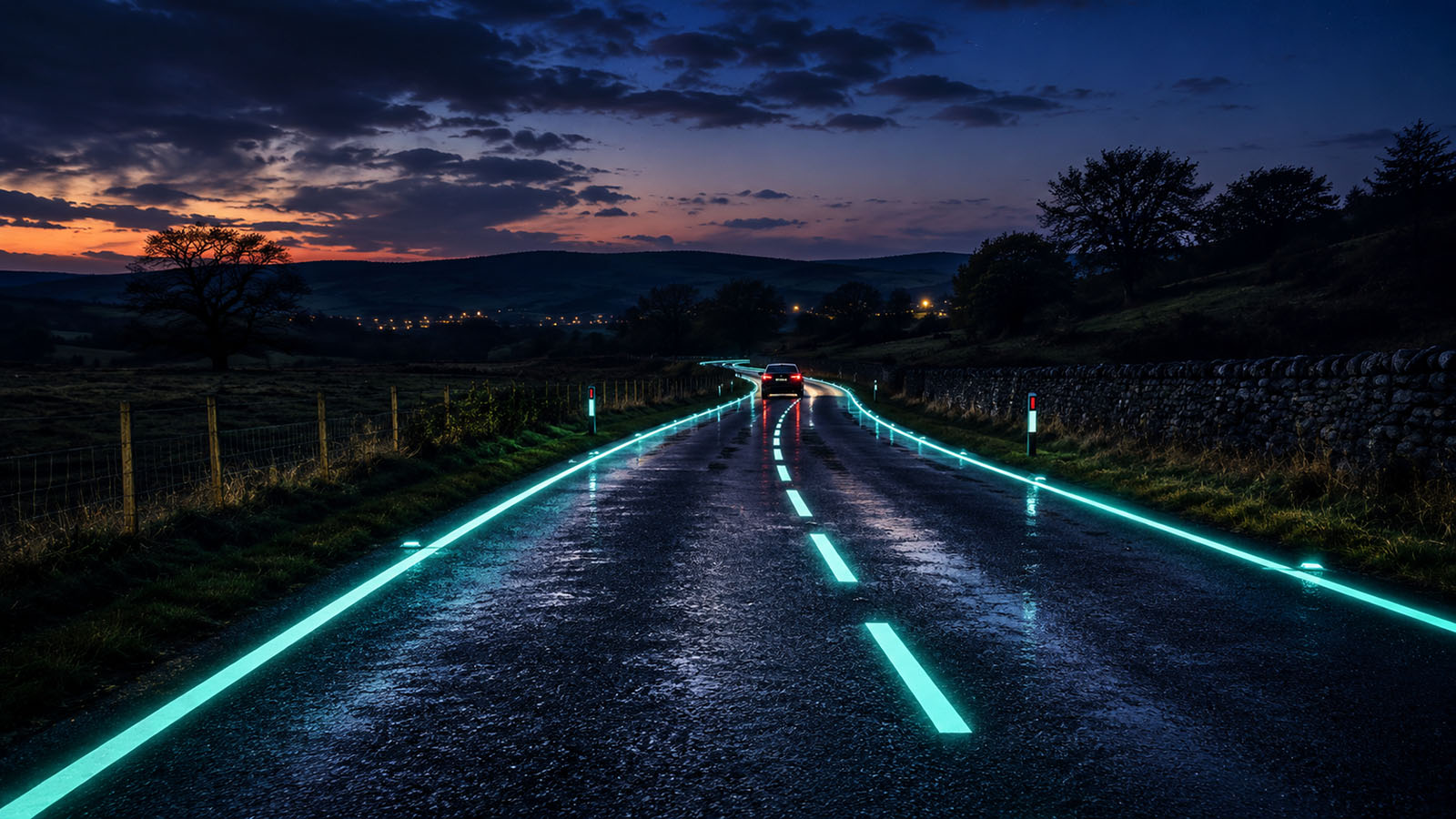
One idea attracting considerable attention is the use of glow-in-the-dark road markings. Rather than relying solely on overhead lighting, these specialised markings are designed to remain visible after dark by absorbing daylight or using advanced photoluminescent materials. The concept raises an important question: could these markings eventually replace streetlights in certain locations?
Although the technology is promising, the answer is more complex than a simple yes or no.
How Glow-in-the-Dark Road Markings Work
Glow-in-the-dark road markings typically use photoluminescent pigments that absorb natural or artificial light during daylight hours before gradually releasing that stored energy during darkness.
Unlike electrically powered lighting systems, these materials require no ongoing power supply. Instead, they rely on exposure to sufficient daylight or ambient lighting to charge effectively.
The technology has already been tested on cycle routes, pedestrian pathways and selected rural roads where conventional street lighting would be expensive to install or maintain.
As materials continue to improve, manufacturers are developing coatings that provide longer-lasting brightness and greater resistance to wear from traffic and changing weather conditions.
Potential Benefits for UK Roads
One of the biggest advantages is reduced energy consumption. Streetlights require electricity, ongoing maintenance, replacement components and associated infrastructure. Glow-in-the-dark markings have the potential to reduce these costs where full lighting is not essential.
They may also help reduce light pollution. Rural communities increasingly seek ways to preserve dark skies while maintaining safe transport routes. By improving the visibility of lane edges, bends and crossings without illuminating the surrounding environment, photoluminescent markings offer an attractive alternative in carefully selected locations.
Another benefit is resilience. During power failures, conventional street lighting becomes ineffective. Road markings that remain visible without electricity could continue providing valuable visual guidance until power is restored.
Safety Considerations
Visibility remains the primary concern for any road marking technology. While glow-in-the-dark markings can improve lane definition, they cannot illuminate hazards in the same way as overhead lighting.
Drivers still need to identify pedestrians, cyclists, wildlife, parked vehicles and unexpected obstacles. Streetlights provide broad illumination that helps reveal potential dangers beyond the carriageway itself.
Because of this limitation, glow-in-the-dark markings are more likely to complement existing safety measures rather than replace them entirely.
For many locations, especially busy urban roads and junctions, conventional lighting will continue to play an essential role.
Where Could They Be Most Effective?
Certain environments are particularly well suited to photoluminescent road markings.
Private estates, business parks, industrial access roads, country lanes, leisure parks and dedicated cycling routes often have lower traffic volumes and fewer complex hazards than major highways.
These locations may benefit from enhanced road definition without requiring continuous street lighting.
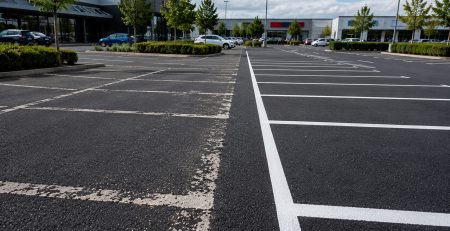
High-quality surface preparation also plays an important role in ensuring these specialist markings perform effectively. A durable, well-laid surface provides the stable foundation needed for consistent visibility over time. Professional tarmac installation helps ensure road markings remain effective throughout their service life.
Challenges That Still Need to Be Solved
Despite growing interest, several practical challenges remain before widespread adoption becomes realistic.
The brightness of photoluminescent materials naturally diminishes throughout the night. During long winter evenings, when darkness lasts considerably longer than summer nights, maintaining adequate visibility becomes more difficult.
Weather also presents challenges. Heavy rain, snow, dirt accumulation and frequent vehicle traffic can reduce performance over time.
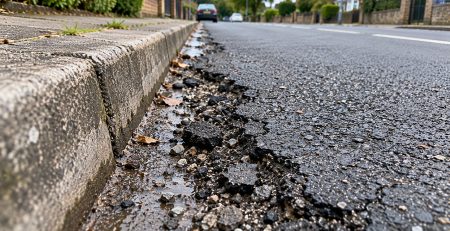
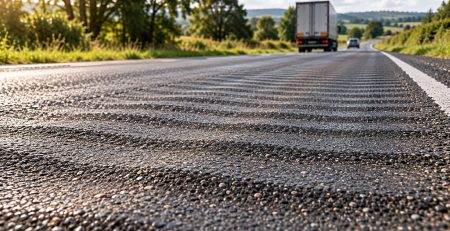
Durability remains another important factor. UK roads experience constant wear from heavy goods vehicles, agricultural traffic and changing temperatures. Any specialist marking must withstand these demanding conditions without requiring excessive maintenance.
Cost is another consideration. While reduced electricity usage may generate long-term savings, initial installation costs remain higher than conventional thermoplastic road markings.
Could They Reduce Carbon Emissions?
Reducing electricity consumption is one of the strongest environmental arguments in favour of glow-in-the-dark markings.
Street lighting represents a significant proportion of energy use for many local authorities. If suitable roads could safely operate with fewer lights, carbon emissions and operational costs may both decrease.
However, any environmental assessment must also consider the manufacturing process, material lifespan and replacement frequency of photoluminescent products.
A full life-cycle analysis is necessary before concluding whether these systems provide meaningful environmental advantages over traditional lighting infrastructure.
Current Trials Around the World
Several countries have explored innovative illuminated road marking technologies through pilot projects.
The Netherlands has attracted international attention with experimental glowing road concepts designed to improve visibility on selected routes.
Other trials have examined reflective aggregates, embedded lighting systems and solar-powered road studs that work alongside conventional markings.
These projects demonstrate growing interest in creating safer roads using lower-energy technologies, although none have yet eliminated the need for conventional lighting across large public highway networks.
What This Means for Commercial Property Owners
Private developments often provide greater flexibility when adopting innovative surfacing technologies.
Business parks, distribution centres, educational campuses and residential developments may find glow-in-the-dark markings particularly useful for directing vehicles and pedestrians after dark.
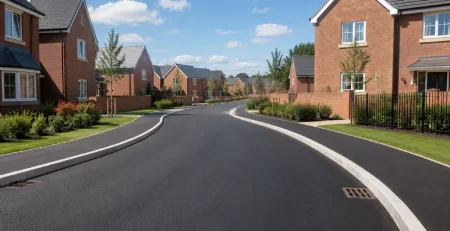
When incorporated into professionally designed access roads, these systems may improve navigation while reducing the number of lighting columns required in suitable areas.
Choosing experienced commercial surfacing contractors ensures both the road surface and any specialist markings are installed to appropriate standards for long-term performance.
The Future of Road Visibility
Glow-in-the-dark road markings represent an exciting development in modern highway engineering. They demonstrate how material science continues to improve road safety while supporting sustainability objectives.
However, current technology is unlikely to replace streetlights entirely.
Instead, these innovative markings are more likely to become part of a broader strategy that combines durable surfacing, reflective markings, intelligent lighting systems and careful road design.
As research continues and materials improve, glow-in-the-dark technology may become increasingly common on lower-speed roads, private developments and rural access routes where reduced energy use and improved night-time guidance offer genuine advantages.
For now, the future lies not in replacing streetlights altogether but in using smarter road marking technologies to complement existing infrastructure and create safer, more efficient transport networks.