Can Your Road Surface Handle Today’s Heavier Vehicles?
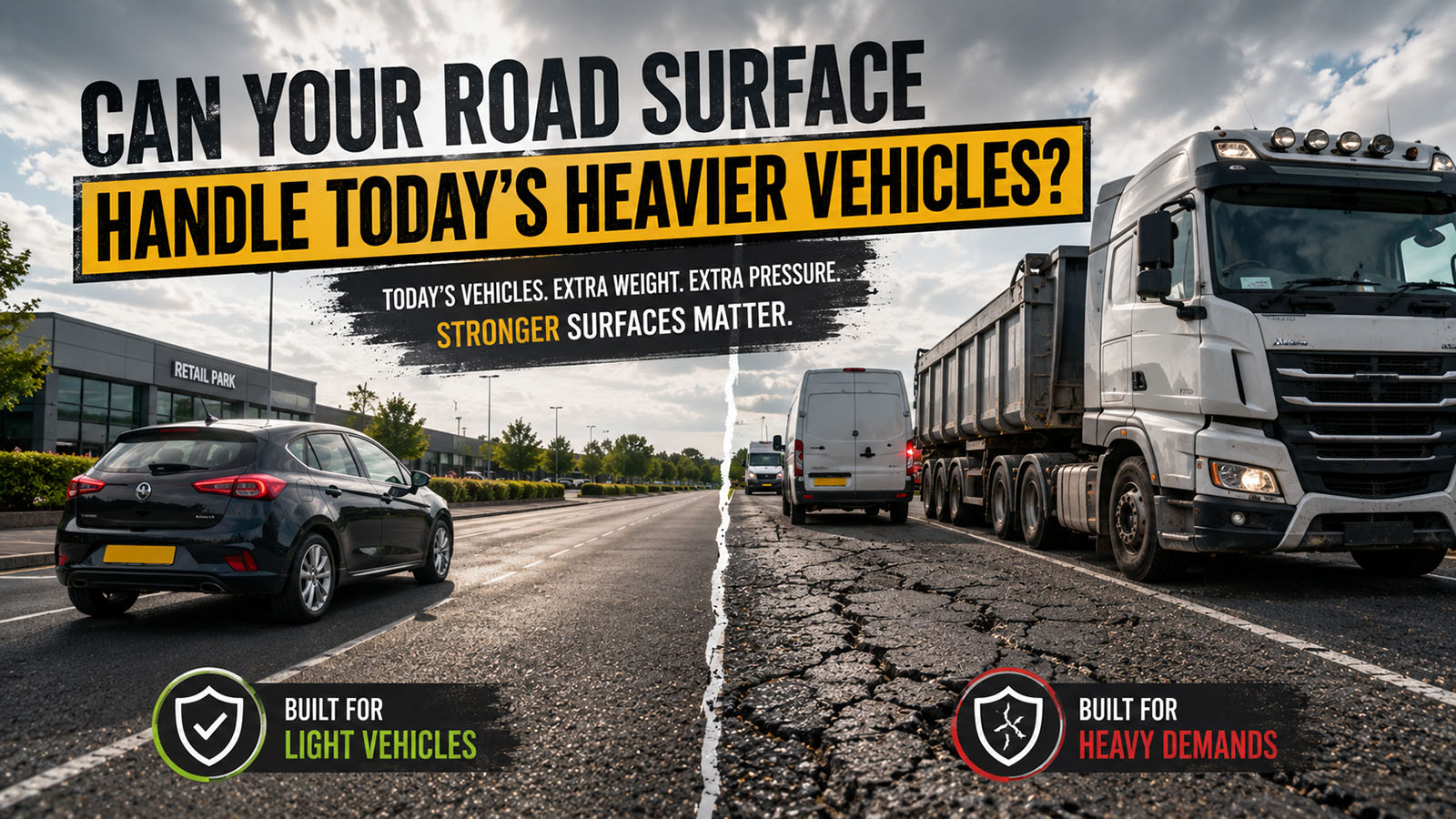
Modern vehicles are significantly heavier than they were even a decade ago. Electric vehicles carry substantial battery packs, commercial delivery fleets transport larger loads to meet growing demand, and agricultural and industrial machinery continues to increase in size and weight. These changes place greater stress on roads, private access routes, industrial yards, business parks and loading areas than many existing surfaces were originally designed to withstand.
For property owners and site managers, this raises an important question. Is your current road surface capable of supporting today’s traffic without premature deterioration?
Ignoring this question can lead to expensive repairs, operational disruption and potential safety concerns. Understanding how heavier vehicles affect road performance is the first step towards protecting your investment.
How Heavy Vehicles Affect Road Surfaces
Every vehicle transfers its weight directly into the pavement structure. While a private car produces relatively modest loading, heavy goods vehicles, refuse lorries, buses and construction equipment generate forces many times greater.
These repeated loads gradually weaken the surface and the underlying layers beneath it. If the pavement has not been designed for these loads, damage often develops long before the end of its expected service life.
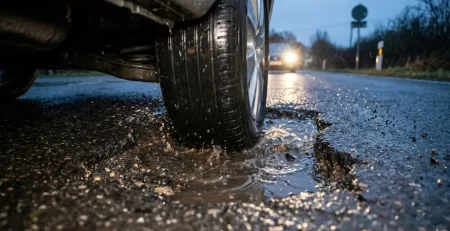
The most common signs include rutting where wheel paths begin to sink, cracking across the surface, edge failures, loose aggregate and potholes. Water entering these defects accelerates deterioration further, particularly during periods of freezing weather.
Even roads that appear structurally sound can begin to fail once vehicle usage changes significantly.
The Importance of Proper Pavement Design
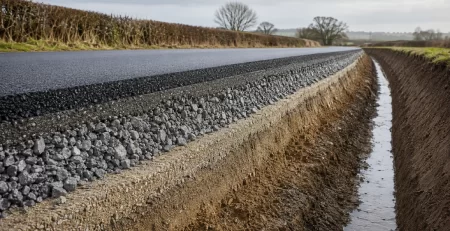
A road surface is much more than the visible layer of tarmac or asphalt. Its long-term performance depends on the complete pavement construction, including the subgrade, sub-base, binder course and surface course.
Each layer performs a specific role in distributing vehicle loads safely into the ground below. If one layer is too thin or poorly constructed, the entire pavement becomes vulnerable.
Professional contractors assess several factors before specifying a suitable solution, including soil conditions, expected traffic volumes, axle loads, drainage requirements and environmental exposure.
Choosing appropriate construction from the outset provides far better value than repeatedly repairing an under-designed surface.
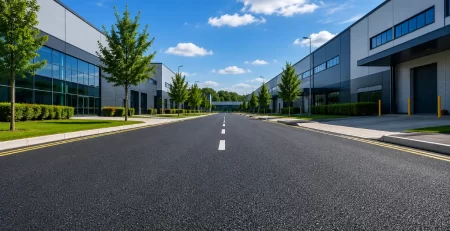
For many commercial developments, investing in professional tarmac installation ensures the pavement is built to withstand the demands of modern traffic.
Why Loading Areas Experience the Most Damage
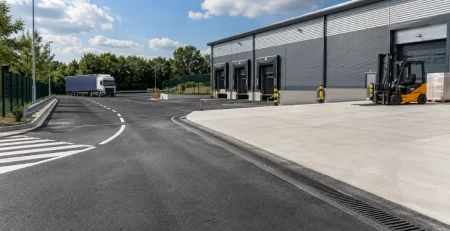
Loading bays often suffer the greatest stress because heavy vehicles spend more time stationary while carrying maximum weight.
Unlike moving traffic, stationary vehicles concentrate pressure on small contact areas. Turning wheels also create horizontal forces that place additional strain on the surface.
These combined stresses frequently cause depressions, surface deformation and cracking around loading docks, warehouse entrances and service yards.
Where deliveries occur throughout the day, deterioration can progress rapidly if the surface has not been designed specifically for these operating conditions.
Electric Vehicles Are Changing Road Loading
The growing popularity of electric vehicles introduces another challenge.
Electric vans, buses and cars often weigh considerably more than equivalent petrol or diesel models because of their battery systems. Although this additional weight may seem relatively small for individual vehicles, cumulative loading across thousands of daily movements can noticeably increase pavement wear over time.
Businesses installing charging infrastructure should therefore consider whether existing access roads and parking areas remain suitable for changing traffic patterns.
Future-proofing road surfaces today may avoid substantial reconstruction costs later.
Drainage Plays an Essential Role
Vehicle weight alone does not cause every road failure. Poor drainage frequently accelerates structural deterioration.
Standing water weakens foundation layers and reduces their ability to support heavy loads. As vehicles pass repeatedly over saturated ground, movement develops beneath the surface, eventually leading to cracking and deformation.
Effective drainage removes water before it can compromise the pavement structure.
Regular inspections should ensure gullies remain clear, drainage channels function correctly and surface falls continue directing water away from traffic areas.
Without effective drainage, even well-constructed pavements may experience shortened service lives.
Signs Your Surface May No Longer Be Adequate
Many road surfaces provide warning signs before complete failure occurs.
Small cracks that continue widening often indicate movement beneath the surface. Wheel paths becoming noticeably lower than surrounding areas suggest structural deformation. Repeated pothole repairs in the same locations usually point to deeper construction problems rather than isolated defects.
Surface polishing may reduce skid resistance, while crumbling edges can indicate inadequate pavement support.
These symptoms should not simply be treated cosmetically. Early professional assessment often identifies the underlying cause before major reconstruction becomes necessary.
Choosing the Right Surfacing Solution
Not every site requires complete reconstruction. In some cases, strengthening specific areas or resurfacing worn sections may provide an effective long-term solution.
Where traffic volumes or vehicle weights have increased substantially, however, a full pavement redesign may offer the most economical outcome over the surface’s lifetime.
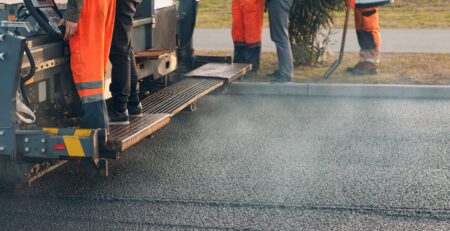
Modern machine-laid asphalt and tarmac systems deliver consistent compaction, improved durability and smoother finishes compared with older installation methods.
High-quality construction combined with appropriate material selection helps distribute vehicle loads more effectively while reducing maintenance requirements.
Businesses planning upgrades may benefit from working with experienced commercial surfacing contractors who understand the structural demands of industrial and commercial environments.
Preventative Maintenance Protects Your Investment
Even heavily engineered pavements require ongoing maintenance.
Routine inspections allow minor defects to be identified before water penetration and traffic loading cause more extensive damage. Small cracks can often be sealed quickly, while isolated repairs help prevent widespread deterioration.
Keeping drainage systems functioning correctly and repairing defects promptly extends pavement life significantly.
Delaying maintenance usually increases repair costs because structural damage progresses beneath the visible surface.
A planned maintenance strategy provides far greater value than reacting only after major failures occur.
Planning for Future Vehicle Demands
Vehicle technology continues evolving rapidly. Logistics networks are expanding, commercial vehicles are becoming heavier, and infrastructure demands continue increasing.
When planning new developments or resurfacing existing roads, considering future loading requirements rather than current traffic alone provides a more sustainable investment.
A surface designed with additional structural capacity can accommodate changing vehicle types, increased delivery frequencies and future business growth without requiring premature replacement.
Professional design also reduces lifecycle costs by minimising disruption, maintenance expenditure and emergency repairs.
Conclusion
Today’s road surfaces face far greater demands than many were originally built to withstand. Heavier commercial vehicles, larger delivery fleets and increasing electric vehicle adoption all contribute to greater pavement loading. Combined with poor drainage and changing traffic patterns, these pressures can significantly reduce the lifespan of an under-designed surface.
Investing in properly engineered heavy duty road surfacing UK solutions ensures roads, access routes and commercial yards remain safe, durable and capable of supporting modern transport requirements. By assessing existing conditions, selecting appropriate construction methods and maintaining surfaces proactively, property owners can protect their infrastructure while avoiding costly long-term repairs.