Hertfordshire Industrial Yard Surfacing Solutions
Industrial yards fail when the surface cannot handle real site pressure. Potholes, rutting, standing water, loose chippings and weak base layers can stop vehicles, damage tyres and create safety risks. A serious surfacing plan checks traffic load, drainage, yard layout and ground strength before choosing tarmac, asphalt, concrete or resurfacing.
Short clue: the best yard surface is not the cheapest layer on top. It is the surface system that matches HGV movement, forklift pressure, loading areas and water control.
Quick Tip: If your yard has potholes, water pooling, forklift wear or HGV pressure, explore our industrial yard surfacing solutions before small surface damage turns into costly downtime.
Hertfordshire industrial yard surfacing solutions
A working yard needs a surface that supports daily pressure. The right choice depends on Top Surfacing Options, Key Contractors Serving Hertfordshire and Essential Yard Services. This section gives the fast decision view before the detailed steps.
| Yard Factor | Best Practical Direction | Why It Matters |
| HGV routes | Heavy-duty asphalt or tarmac | Handles repeated commercial traffic when the base is stable |
| Loading bays | Reinforced concrete or stronger bay zones | Resists point loads, trailer legs and turning pressure |
| Forklift paths | Concrete or high-strength asphalt | Small wheels create concentrated stress |
| Worn but stable yards | Resurfacing or overlay | Saves cost where the base is still sound |
| Failed sub-base | Full reconstruction | Stops repeated potholes and sinking |
| Water pooling | Drainage correction before surfacing | Protects the surface and the base below |
| Loose gravel issues | Avoid surface dressing in heavy-use zones | Reduces debris, tyre risk and forklift instability |
| Service support | Total Surfacing Solutions | Helps plan tarmac, resin and commercial surfacing work |
Hidden Yard Failures That Cost the Most
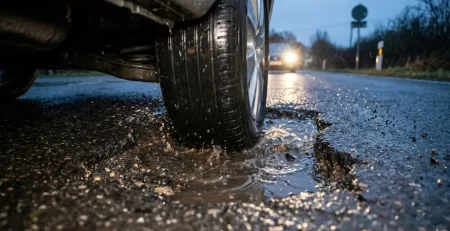
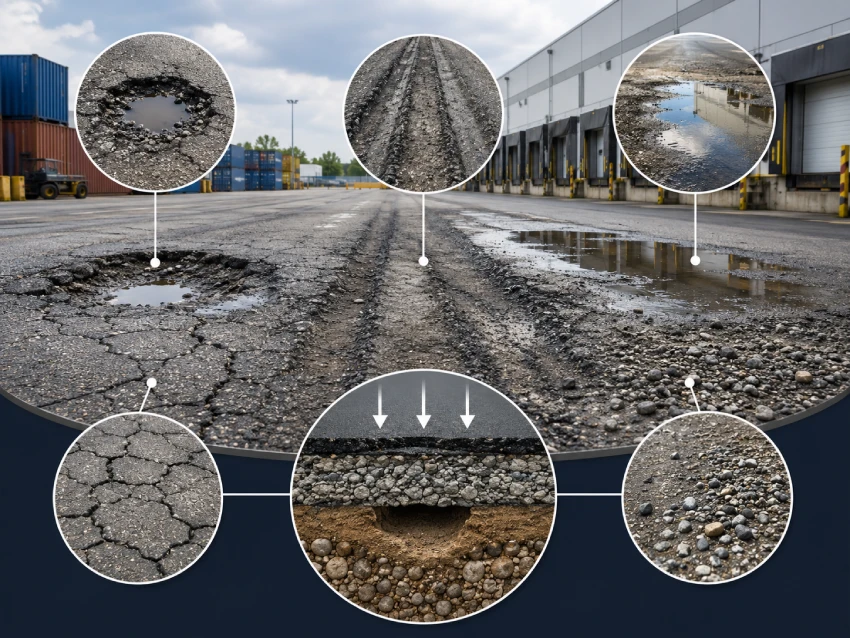
Most yard damage starts before the surface breaks apart. A pothole often means water, weak base material or repeated loading has already reached deeper layers. The visible damage is only the final warning sign.
The first failure is usually surface cracking. Once cracks open, water enters the structure and softens the supporting layer. Heavy vehicles then push the surface down and create rutting.
The second failure is standing water. Water around loading bays, entrances and low points makes the yard slippery and weakens the base. Drainage should be solved before any new surface is installed.
The third failure is loose or uneven material. Loose chippings, broken edges and gravel movement can affect forklifts, tyres and pedestrians. This is why surface dressing must be chosen carefully for industrial use.
For deeper technical context, the guide on asphalt fatigue cracking causes is a useful supporting read.
Match the Surface to Real Yard Pressure
Every yard has different pressure points. The correct surface depends on vehicles, turning zones, loading habits and how often the same routes are used. A single surface type does not always suit the whole site.
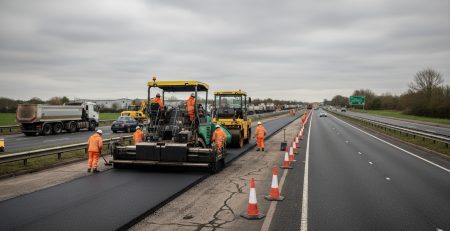
Tarmac and asphalt work well for large commercial yards, access roads and general HGV routes. They provide a smooth finish and allow quicker installation. They are suitable when the base is stable and drainage is controlled.
Concrete surfacing is stronger for loading bays, forklift turning areas, machinery storage and container zones. It resists point loading better than many flexible surfaces. It is often best for areas where vehicles stand, brake or twist.
Surface dressing can protect suitable access roads and lower-use perimeter areas. It is not ideal for busy forklift zones or heavy HGV turning points. Loose stone, dust and poor sweeping can create operational problems.
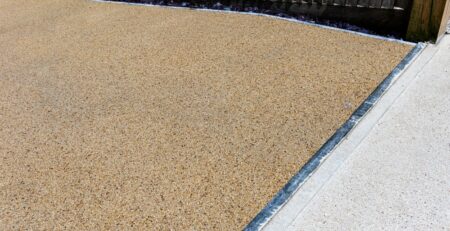
Resin bound surfacing is usually more relevant for decorative, permeable and customer-facing areas. For example, resin bound driveways in Hertfordshire may suit entrances, office fronts or staff access paths, not the heaviest loading zones.
Build the Base Before the Top Layer
A strong surface needs a strong structure below. Many failed yards were not damaged because the top layer was poor. They failed because the base was too weak for the traffic load.
The sub-base must suit daily yard use. HGV routes, forklift corridors and loading bay approaches need more support than light vehicle parking. Soft ground, poor compaction and thin aggregate layers can make any new surface fail.
Ground conditions in Hertfordshire can vary by location. Some areas may include clay, chalk, made ground or previous construction fill. This is why a site survey matters before quoting the final system.
A good survey should check soft spots, drainage falls, ironwork, existing cracks, rutting, service covers and traffic movement. The base course preparation overview supports this point clearly.
Step-by-step base planning:
- Inspect the existing surface and mark failed zones.
- Check whether the failure is surface-level or structural.
- Test drainage direction and low points.
- Identify HGV and forklift pressure zones.
- Choose repair, overlay or reconstruction based on the base condition.
Drainage Choices That Protect the Yard
Drainage is not a finishing detail. It is one of the main reasons a yard survives or fails. Water left on the surface can become water inside the structure.
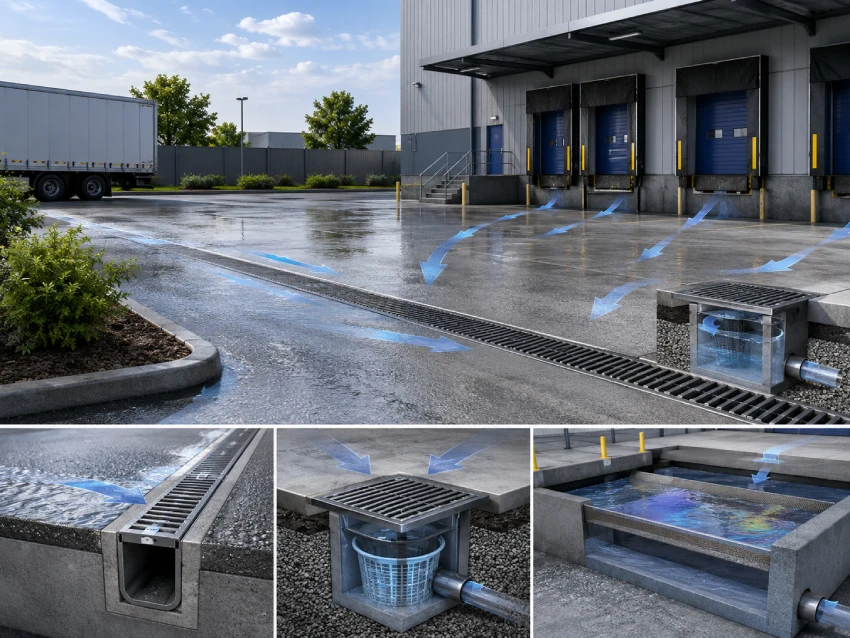
A yard should move water away from buildings, loading bays and weak edges. Channel drains, gullies, catch pits and correct falls help control runoff. Blocked drains should be cleaned before the new surface is laid.
Industrial yards may also need pollution-aware drainage. Areas exposed to oil, diesel, hydraulic fluid or vehicle washing need more care. The surface design should not allow contaminated water to flow uncontrolled.
Permeable surfaces can help in the right setting. They are not always suitable for heavy industrial loading areas. For lighter access or customer zones, the permeable resin driveway explanation can help readers understand the difference.
Drainage decision table:
| Problem Seen on Site | Likely Cause | Practical Response |
| Water sits near loading bay | Poor fall or blocked drain | Regrade levels and clean drainage |
| Potholes return after repair | Water entering base | Deep repair and drainage correction |
| Oil marks near parking area | Vehicle leakage | Review runoff control |
| Loose edges near drains | Weak edge support | Reinstate edge and surface detail |
| Yard floods after rain | Inadequate capacity | Upgrade drainage route |
HGV, Forklift and Loading Bay Stress
Heavy traffic does not damage every area equally. Entrances, tight corners, trailer areas and bay approaches usually fail first. These zones need a stronger plan than general parking lanes.
HGVs create repeated wheel loading. When vehicles brake, reverse or turn in the same place, the surface faces extra stress. This can lead to rutting, shoving, cracks and edge collapse.
Forklifts create different pressure. Their smaller wheels can push harder into the surface than larger vehicle tyres. Turning while loaded can damage weak asphalt or loose surfaces quickly.
Loading bays need special attention. Trailer legs, dropped loads, pallet movement and reversing pressure can break ordinary surfaces. Reinforced concrete bays may be the better choice for these locations.
For business parks and shared sites, business park road maintenance planning can support long-term surface decisions.
Repairs, Overlay or Full Reconstruction
Not every damaged yard needs full rebuilding. Some yards only need targeted repairs. Others need resurfacing or complete reconstruction because the base has failed.
Yard repairs work when damage is local. This includes isolated potholes, small cracks, broken edges or minor trip hazards. The repair should still remove weak material and stop water entry.
Resurfacing or overlay works when the base is stable. The worn top layer can be renewed to improve safety, appearance and function. Levels, drainage and existing cracks must be checked first.
Full reconstruction is needed when the yard keeps failing. Deep rutting, repeated potholes, widespread sinking and poor drainage usually point to deeper structural failure. A new surface on a failed base will not solve the problem.
A practical decision path:
| Yard Condition | Best Direction |
| One or two potholes | Local repair |
| Worn surface, stable base | Resurfacing |
| Cracks plus water pooling | Drainage and structural review |
| Rutting under HGV wheels | Stronger base and surface design |
| Repeated failure after patching | Full reconstruction |
For private access roads connected to commercial yards, the estate road surfacing overview is a relevant supporting page.
Phased Work Without Stopping the Site
Many industrial yards cannot fully close. Deliveries, staff parking, loading bays and vehicle access may need to continue. A practical surfacing plan should protect operations while the work is completed.
Phased work divides the yard into usable zones. One area can be repaired or surfaced while another stays open for traffic. This helps reduce lost working time.
Temporary routes should be clear and safe. Barriers, signs, access control and delivery timing all matter. The surfacing plan should work around the business, not against it.
Weekend or out-of-hours work may help for key entrances. This is especially useful where HGVs need constant access. The plan should include curing time, vehicle restrictions and handover checks.
Key Contractors Serving Hertfordshire
The contractor choice affects the whole result. A good team should understand industrial traffic, drainage, ground preparation, base strength and site safety. Price alone should not decide the project.
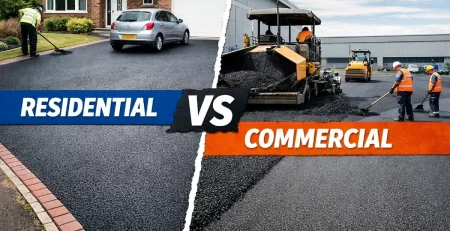
Ask for proof of similar commercial work. Industrial yards need different experience from decorative domestic surfacing. Loading bays, HGV routes and forklift zones require stronger thinking.
Total Surfacing Solutions is positioned for tarmac, resin-bound and commercial surfacing projects across Hertfordshire and nearby areas. The right visit should include inspection, preparation advice, surface selection and practical staging.
Useful questions before hiring:
- Have you surfaced HGV yards before?
- Will you inspect the sub-base before quoting?
- How will you solve drainage issues?
- Can the work be phased around operations?
- What surface is best for forklift turning areas?
- How will line marking and safety routes be handled?
Nearby regional service pages can support connected sites or multi-location clients. For related projects, review resin bound driveways in Bedfordshire, resin bound driveways in Oxford, resin bound driveways in Cambridgeshire and resin bound driveways in Essex.
Essential Yard Services That Matter
Industrial surfacing is not only the final layer. The essential services include preparation, drainage, repair, resurfacing, concrete bays, line marking and maintenance. Missing one service can shorten the life of the whole yard.
The most important service is site assessment. This finds weak areas, failed drainage, damaged edges and unsafe traffic routes. Without this step, the quote may solve the wrong problem.
The second service is surface preparation. Old loose material, soft spots and poor edges must be corrected. A strong top layer cannot perform on unstable ground.
The third service is safety layout. Pedestrian paths, loading areas, turning zones, parking spaces and fire routes should be clear. Line marking should help vehicles and people move safely.
For connected preparation details, the resin driveway preparation guide is useful where the project also includes customer-facing or lighter-duty resin areas.
Maintenance checklist:
| Service | Why It Matters |
| Pothole repair | Stops water from reaching the base |
| Crack sealing | Reduces surface breakdown |
| Drain cleaning | Prevents standing water |
| Line marking | Improves yard control |
| Edge repair | Stops spreading failure |
| Surface inspection | Finds problems early |
Cost Factors That Change the Quote
Industrial yard surfacing costs change because each site has different pressure. Size matters, but it is not the only factor. Base condition, drainage and traffic load often affect the quote more than the visible surface area.
A yard with heavy HGV use may need stronger construction. A yard with water problems may need drainage work first. A yard with weak ground may need deeper preparation before surfacing.
Concrete areas can cost more upfront but may be better for loading bays. Asphalt or tarmac can be more practical for large traffic areas. Surface dressing may save money only when the existing base is suitable.
For broader material choices, use the driveway material comparison guide as a related cost-thinking resource. For decorative resin areas, resin driveway budget factors can support planning.
Main quote factors:
- Total yard size
- Existing surface condition
- Sub-base depth and strength
- Drainage work required
- HGV and forklift traffic levels
- Concrete bay requirements
- Waste removal and access limits
- Line marking and safety layout
- Phased work requirements
- Repair, overlay or reconstruction choice
Frequently Asked Questions
What is the best surface for an industrial yard?
The best surface depends on yard traffic. Heavy-duty asphalt or tarmac suits large access areas and HGV routes. Reinforced concrete is better for loading bays, forklift turns and static heavy loads.
Is surface dressing right for HGV yards?
Surface dressing can work on lower-use access roads with a sound base. It is risky for busy forklift, HGV and loading zones because loose chippings can create tyre, dust and safety issues. Full resurfacing is often safer for heavy-use yards.
Why do potholes keep coming back?
Potholes return when the deeper cause is not fixed. Water, weak base layers, poor compaction and repeated HGV loading can all cause repeat failure. A deep repair or reconstruction may be needed.
Can yard resurfacing be done in phases?
Yes, phased resurfacing is often possible. The yard can be divided into working zones so deliveries, parking or loading can continue. Planning access routes and curing time is essential.
How do I choose a contractor for yard surfacing?
Choose a contractor with commercial yard experience. Ask about sub-base checks, drainage planning, HGV load areas, forklift zones, phasing and line marking. Total Surfacing Solutions can be reviewed for commercial surfacing support.
Conclusion
Hertfordshire industrial yard surfacing solutions should be chosen by pressure, not guesswork. HGV routes, forklift zones, loading bays, drainage issues and weak base layers all change the right surface choice. A properly planned yard reduces potholes, standing water, vehicle damage, downtime and repeated repair costs.