Building Better Transport Networks: Why Professional Road Surfacing Matters More Than Ever
Across the UK, the efficiency of our transport network relies heavily on the strength and reliability of the roads that support it. As traffic increases and commercial transport demands continue to grow, road surfacing has evolved into a technical discipline that requires precision, engineering knowledge, and long-term planning.
The Role of Modern Road Surfacing in the UK
Road surfacing is no longer just about laying asphalt. It underpins the safety, performance, and longevity of transport routes that connect towns, logistics hubs, industrial estates, and essential services. High-quality surfacing enhances mobility, reduces vehicle wear, and lowers long-term maintenance costs for both public and private sectors.
Modern roads must withstand continuous heavy loads from HGVs, delivery fleets, and buses. When surfaces are laid professionally using balanced mixtures, controlled temperatures, and proper compaction, they offer far greater durability and resistance to wear.
How Well-Engineered Roads Improve Daily Transport
Strength and Structural Stability
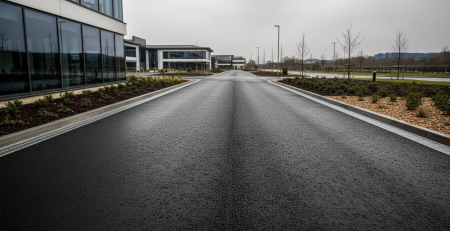
A properly constructed road can handle thousands of vehicle movements each day without deforming. Strong surfaces reduce rutting, minimise surface wear, and maintain a smooth driving experience.
Optimised Drainage and Weather Resistance
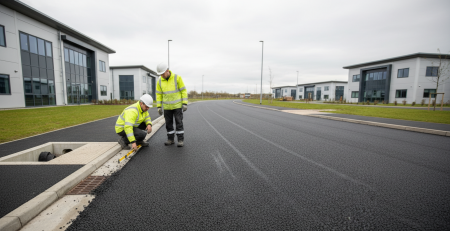
Rain, frost, and heat cycles are major causes of road failure. High-quality surfacing incorporates correct drainage design and weather-resistant mixes to ensure surface integrity throughout the year.
Lower Maintenance Costs Across the Network
When a road is engineered correctly from the beginning, it requires fewer repairs over time. This reduces disruption for road users and helps councils and businesses manage budgets more effectively.
Why the Foundation Matters: Layers Beneath the Surface
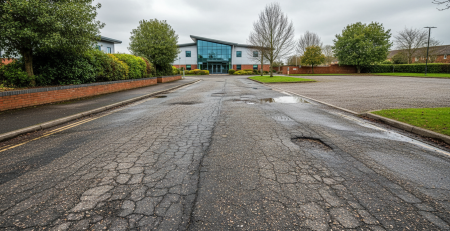
A road’s performance is determined not only by the top layer but by the quality of the layers beneath it. Sub-base preparation, moisture control, and compaction all influence how long the road will last. Even small errors in these early stages can lead to future cracking, settlement, or potholes.
Experienced contractors adjust their methods depending on terrain, expected traffic, and environmental stresses. This ensures each project is built with durability in mind.
Technology Transforming Modern Surfacing
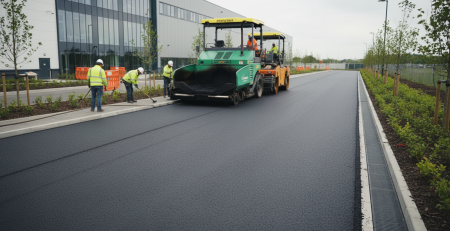
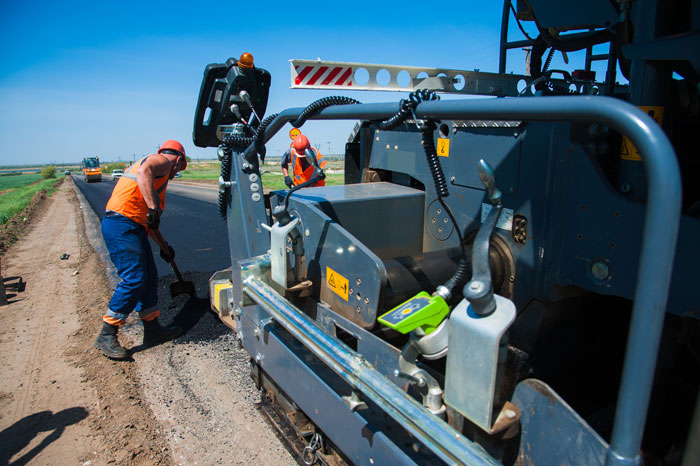
Machine-laid asphalt has revolutionised road construction. Today’s advanced paving equipment delivers superior accuracy, temperature control, and compaction, resulting in smoother and more consistent finishes. Modern road-grade tarmac mixes are engineered to resist deformation, offering dependable performance in both high heat and freezing winter conditions.
Specialist surface treatments can also be applied to improve skid resistance, enhance longevity, and protect against water penetration without requiring a full resurfacing programme.
The Importance of Road Safety in Surfacing Projects
Safety is at the heart of every surfacing decision. Roads with strong grip, even gradients, clear markings, and proper drainage dramatically reduce accident risks. High-quality surfacing supports safer navigation for drivers, cyclists, and pedestrians, particularly during winter or heavy rain.
Choosing a Professional Surfacing Contractor
Dependable surfacing work requires expertise, modern machinery, and strict adherence to British Standards. Contractors with experience in commercial, industrial, and public-sector environments bring the knowledge needed to achieve strong, long-lasting results.
For businesses and local authorities seeking reliable surfacing services, Total Surfacing Solutions is a trusted provider known for durable machine-laid finishes, professional resurfacing, repairs, and infrastructure planning. Learn more or request a site assessment at https://totalsurfacingsolutions.co.uk/.
Building Roads for the Future
As the UK continues to expand its logistics and commercial sectors, the demand for high-quality road infrastructure will only increase. Investing in strong, well-engineered surfacing today ensures safer travel, smoother operations, and more resilient transport networks for years to come.