Pothole Repair Methods UK – Key Things Explained
UK roads face constant damage from traffic, water and freezing conditions, so fast, durable pothole repair is critical. This guide shows how expert contractors restore surfaces properly and when each method works best. Modern pothole repairs services use a mix of cold patch, hot tarmac, and machine lay tarmac depending on road class, traffic, budget and weather.
Cold patch is a ready-to-use asphalt mix ideal for temporary or rapid repairs, especially in wet or freezing conditions where standard hot asphalt cannot be laid. Hot tarmac repairs involve cutting, cleaning, heating and compacting a hot asphalt mix for a long-lasting structural fix on main roads, commercial sites and car parks.
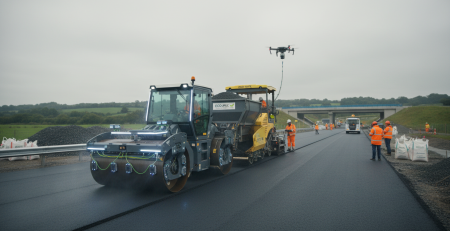
Specialist teams combine Tarmac Installation, saw cutting, tack coating and compaction with rollers or plate compactors to rebuild the failed area from the base up. For larger patches and carriageways, Machine Lay Tarmac gives a smoother finish, accurate depths and faster coverage, reducing traffic disruption.
Professional Pothole Repair Methods Used Across the UK
Here’s how potholes are really dealt with on a day-to-day basis, ranging from fast emergency fixes to full structural repairs carried out on busy roads across the UK.
1. Inspection and diagnosis
- Assess pothole depth, size and surrounding cracking.
- Identify causes such as water ingress, weak base or overloaded traffic.
- Decide if a temporary cold patch or full reconstruction is needed.
2. Cold patch pothole repair
- Used for emergency pothole repair where roads must reopen quickly.
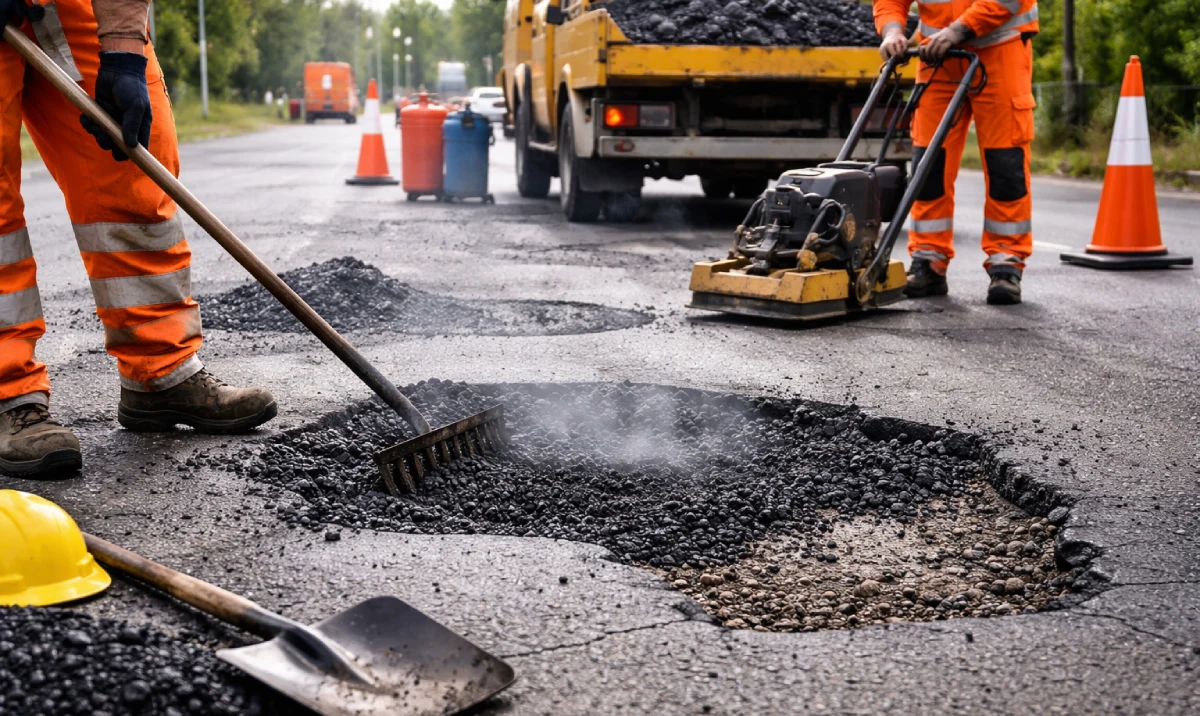
- Mix is poured directly into the pothole, levelled and compacted with a tamper or plate.
- Best as a short to medium term fix, often later replaced by hot tarmac.
3. Hot tarmac pothole repair
- The area is cut to a neat rectangle, excavated and cleared of loose material.
- Base is repaired, edges are tack-coated, and then hot asphalt is laid and compacted.
- Provides a long-lasting repair that ties into existing surfacing and resists heavy traffic.
4. Machine Lay Tarmac for larger failures
- Used on extensive potholing, crazed surfaces and failed patches.
- Planers remove the worn layer, then pavers machine lay tarmac at a controlled thickness.
- Rollers compact the surface to design levels, giving a smooth, even finish.
High Performance Pothole Repair Services for Roads
Specialist pothole repair services are all about delivering long-lasting results where it matters most. From busy A roads and estate roads to car parks and industrial yards, these experts tackle tough surfaces across the UK, making sure repairs stand up to heavy traffic and everyday wear.
Professional commercial surfacing road surfacing services follow strict specifications for binder content, aggregate size and laying temperature. They tailor mixes for HGV routes, bus lanes, loading yards and retail car parks to resist rutting, fuel spills and constant turning.
Repairs are phased with traffic management plans to keep businesses open while works proceed safely. Key features of expert pothole repair services:
- 24/7 emergency call-outs for dangerous defects.
- Permanent hot tarmac reinstatement after utility or temporary works.
- Programmed maintenance to tackle clusters of potholes in one visit.
For clients, this means fewer repeat call outs, smoother surfaces and less liability from trips or vehicle damage. For local authorities, reliable contractors help meet network performance targets and public satisfaction scores. For facility managers, robust repairs protect brand image and reduce complaints in car parks and access roads.
Commercial Surfacing Road Surfacing Services Explained
Commercial road surfacing services often combine pothole repairs with larger resurfacing and reconstruction projects. Instead of treating potholes as isolated issues, they’re addressed as part of a broader plan to restore road strength, improve safety, and extend the lifespan of the surface.
Specialist contractors handle full schemes from pothole repairs and patching through to overlay and complete reconstruction of roads, yards and car parks. They use a mix of hot rolled asphalt, stone mastic asphalt and dense binder courses to build up the right structure for each site.
Design considers traffic loading, turning patterns, drainage and future maintenance cycles. Typical commercial surfacing services include:
- Car park surfacing, access roads and loading bay strengthening.
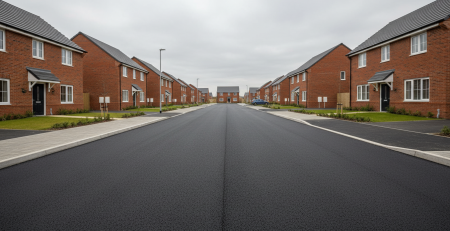
- Estate roads, private roads and industrial yard resurfacing.
- Line marking, drainage upgrades and kerb or footway repairs alongside surfacing.
Working with one experienced provider simplifies planning, guarantees consistent material quality and gives single point responsibility. For property portfolios, national contractors can deliver repeatable standards across multiple sites.
Machine Lay Tarmac Installation Services Overview
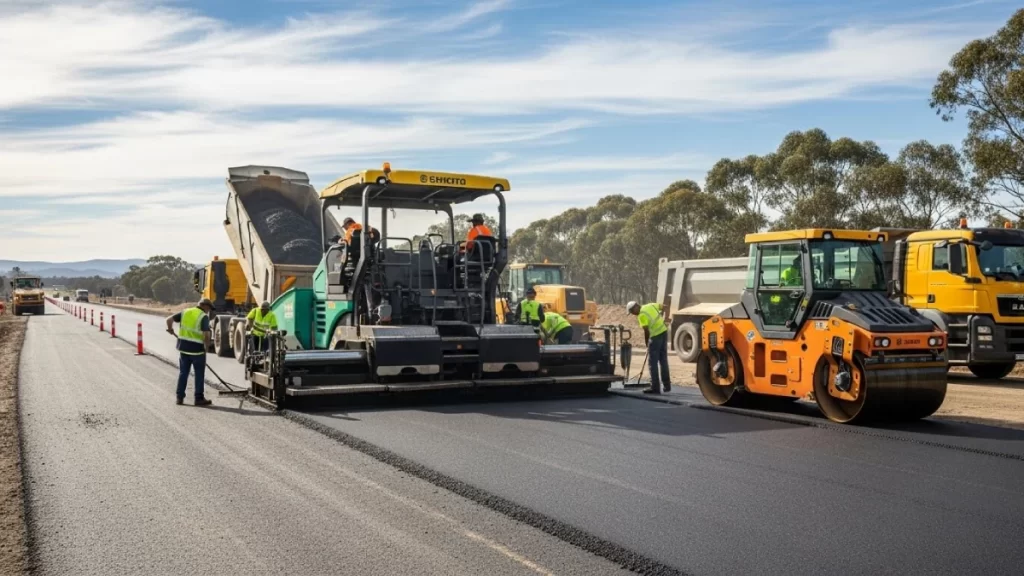
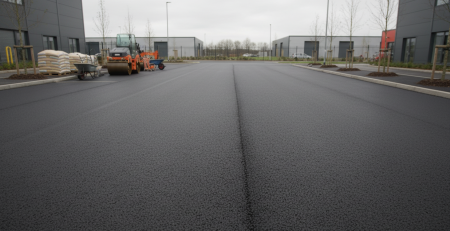
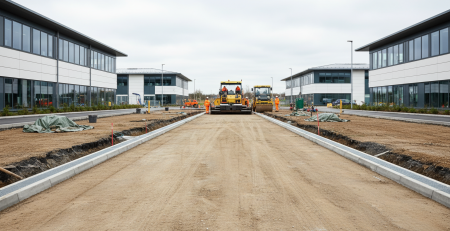
Machine lay techniques use paving machines, feeders and rollers to install tarmac with precise layer thickness and smoothness. They are ideal for long stretches of road surfacing, large commercial yards and high specification tarmac installation road surfacing services.
Key steps in machine lay tarmac:
- Preparation, including planing, sweeping, tack coat and level checks.
- Paver places the hot tarmac continuously while operators manage depth and alignment.
- Rollers follow closely to compact while the mix is at the correct temperature.
For clients, machine-laid tarmac services deliver:
- Faster programmes and less disruption, especially on busy commercial sites.
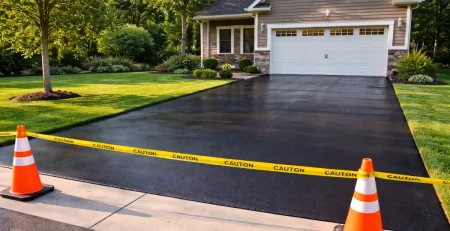
- Superior ride quality and appearance on roads and driveways.
- Better long-term performance with fewer defects and pothole risks.
Resin Bound Surfacing Services for Modern Surfaces
Resin bound systems mix natural aggregates with clear resin to create a smooth, porous surface popular for resin driveways and pathways. They offer excellent aesthetics, wide colour choices and a seamless, low-maintenance finish that resists cracking when properly installed.
Because they are permeable, they help manage surface water and support Sustainable Drainage Systems. Homeowners often choose:
- Grey resin driveways for a contemporary look that complements modern properties.
- Coloured resin driveways to match brickwork, landscaping or branding on commercial sites.
- Anti slip textures and edging details for safe, neat transitions to public highways.
When pothole damage affects existing tarmac driveways, contractors can repair or resurface in tarmac first, then overlay with resin bound finishes for a complete upgrade. Leading installers in Hertfordshire and Essex handle base construction, edging, resin specification and aftercare.
Why Choose Total Surfacing Solution for Emergency Pothole Repair in UK
Total Surfacing Solution combines pothole repair, tarmac and resin services into one expert package for UK clients. Total Surfacing provides commercial surfacing road surfacing services, including pothole repairs, overlays and new construction for both public and private clients.
With more than 25+ years of surfacing experience, the team delivers consistent quality across highways, car parks, private roads and driveways surfacing services in Essex and Hertfordshire. Projects use top-grade tarmac, asphalt and resin systems selected for each site’s traffic and environment.
Clients benefit from:
- Rapid emergency pothole repair using cold patch and hot tarmac techniques.
- Machines lay tarmac services in Essex and Hertfordshire for large areas and smooth finishes.
- Integrated resin bound surfacing services for modern, durable driveways and decorative zones.
Dedicated teams manage everything from initial survey and specification to traffic management, installation and aftercare. This reduces coordination effort for facilities managers, estate owners and local authorities. The result is fewer defects, better safety and surfaces that keep performing for years.
Areas We Cover Across UK
Total Surfacing operates from the South East, delivering surfacing, pothole repair services and resin installations across Hertfordshire, Essex, London and nearby areas.
Local teams provide driveways surfacing services in Essex, including resin bound driveways services in Essex and machine lay tarmac for residential and commercial sites. Similar services are available as driveways surfacing services in Hertfordshire, supported by experienced resin bound driveways services in Hertfordshire.
Coverage typically includes:
- Major towns and routes in Hertford, Chelmsford, Harlow, Epping and Colchester.
- Private estates, business parks and retail sites across the wider South East.
- National support on larger commercial surfacing programmes where required.
This regional focus keeps travel time low, response times high and local knowledge strong. It also supports repeat maintenance cycles, from seasonal pothole repair to scheduled resurfacing. Clients gain a long-term surfacing partner rather than one-off reactive repairs.
Simple Overview Table Of Key Methods
| Method / Service | Best Use Case | Typical Lifespan |
| Cold patch pothole repair | Fast emergency fix, poor weather | Short to medium term |
| Hot tarmac pothole repair | Permanent road and car park repairs | Long term when specified |
| Machine lay tarmac services | Large roads, car parks, estates | Long term, smooth finish |
| Resin bound surfacing services | Modern driveways, paths, and decorative zones | Long term with low upkeep |
Frequently Asked Questions
1. Which pothole repair method lasts the longest on UK roads?
Full depth hot tarmac pothole repair with proper cutting, base repair and compaction typically lasts far longer than simple surface patches.
When combined with good drainage and strong edges, it can mirror the lifespan of the surrounding carriageway. Machine lay resurfacing over wider failed areas often extends performance even more.
2. When should a cold patch be used instead of hot tarmac?
Cold patch is best for urgent safety repairs when a hot plant is unavailable or conditions are too wet or cold. It lets teams make holes safely quickly on busy routes or remote sites. Later, those patches are often replaced with permanent hot tarmac repairs in better weather.
3. Are resin bound driveways suitable for UK freeze-thaw cycles?
Properly installed resin bound driveways with the right base and UV-stable resin perform well through UK winters. Their permeable structure helps water drain instead of pooling and freezing on the surface. Correct sub-base depth and edge restraint are critical to avoid movement and cracking.
4. What is the difference between machine lay and hand lay tarmac?
Machine lay uses pavers to place tarmac continuously at a controlled thickness, giving a smoother, more consistent finish. Hand lay relies on crews spreading and levelling by hand, ideal for small or intricate areas. Larger roads and car parks gain the most from machine-laid tarmac services in time and quality.
Strong Pothole Repair Conclusion
Pothole damage threatens UK roads daily, but Total Surfacing delivers proven solutions through cold patch for emergencies, hot tarmac for durability, and machine lay tarmac for scale. Our pothole repair services in Essex and Hertfordshire integrate resin-bound surfacing services for modern driveways that resist future failures.
Choose residential or commercial road surfacing services and tarmac installation road surfacing services from experts with decades of experience. From driveways surfacing services in Essex to resin-bound driveways services in Hertfordshire, we ensure seamless, long-lasting results.
Contact Total Surfacing today for rapid, reliable fixes that protect vehicles, reduce costs and enhance safety across the UK.