Don’t Ignore These Road Cracks — It Could Cost You Thousands
At first glance, a few cracks in a road surface may not seem like a serious issue. For many property owners and site managers, they are often dismissed as minor wear and tear. However, these small imperfections are often the earliest warning signs of much deeper structural problems. Ignoring them can quickly lead to extensive damage, disruption, and significant financial costs.
Road surfaces are built in layers, each designed to support weight and withstand environmental conditions. When cracks appear in the top layer, they compromise the entire system. Water, debris, and constant traffic begin to penetrate the surface, weakening the structure beneath. This is why recognising road resurfacing signs UK early is essential for protecting both your investment and the long-term usability of your surface.
How Minor Cracks Escalate Into Major Problems
Water Ingress and Structural Damage
The primary issue with cracks is that they allow water to enter the surface. In the UK, where rainfall is frequent, this becomes a persistent problem. Once water seeps through the surface, it reaches the sub-base, softening and weakening the foundation.
As the sub-base loses strength, the surface above begins to shift and deteriorate further. Cracks widen, new ones appear, and eventually, sections of the road begin to fail. What started as a small, manageable issue can quickly develop into widespread structural damage.
Freeze-Thaw Cycles Accelerating Deterioration
During colder months, water trapped within cracks freezes and expands. This expansion forces cracks to widen, increasing the rate of deterioration. When temperatures rise, the ice melts, leaving voids beneath the surface that reduce stability.
This repeated cycle is particularly damaging for access roads, car parks, and commercial yards. Without timely maintenance, surfaces exposed to these conditions will degrade rapidly, often requiring full resurfacing much sooner than expected.
Key Road Resurfacing Signs to Watch For
Widening and Spreading Cracks
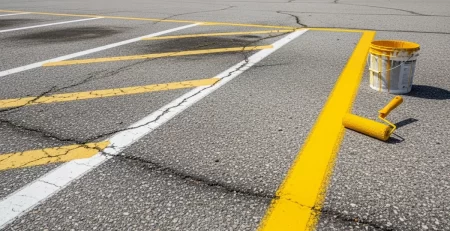
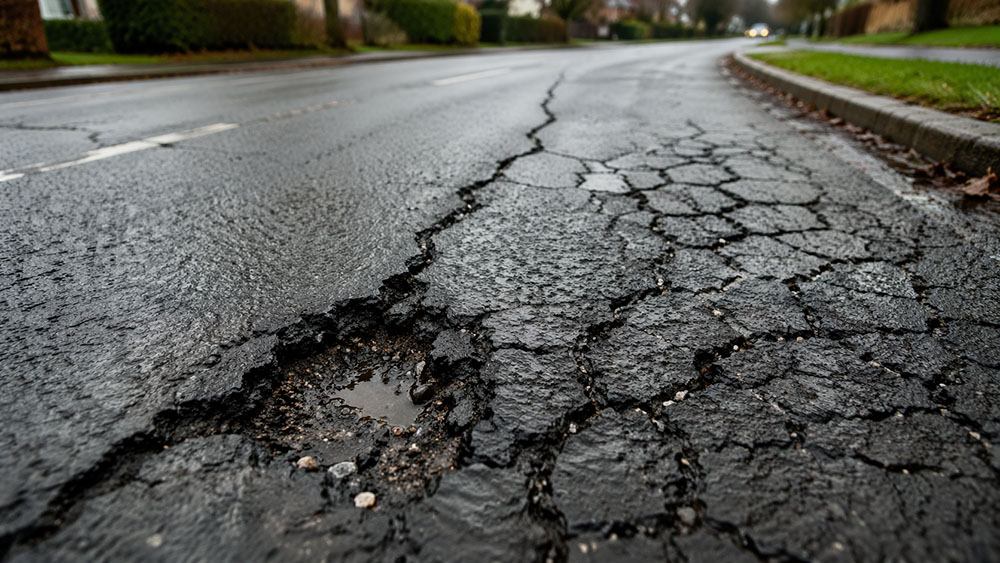
One of the most obvious road resurfacing signs UK is the progression of cracks across the surface. Hairline cracks may initially seem harmless, but when they begin to widen and connect, it indicates that the surface is under stress.
This type of cracking often develops into larger patterns that signal structural fatigue. At this stage, simple repairs are unlikely to provide a lasting solution, and more extensive work may be required.
Formation of Potholes
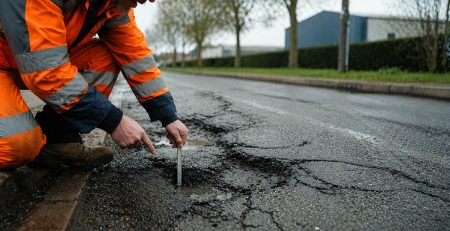
Potholes are a direct result of untreated cracks and water damage. As the surface weakens, sections begin to break away under the pressure of traffic. This exposes the underlying layers, which then deteriorate even more quickly.
Beyond the cost of repairs, potholes create safety hazards and can damage vehicles. Addressing them early through professional pothole repairs can prevent further issues, but repeated pothole formation often indicates deeper structural problems.
Uneven or Sunken Areas
Sunken or uneven sections of a road surface usually point to sub-base failure. These areas often collect water, which accelerates deterioration and increases the likelihood of further cracking.
For commercial sites, uneven surfaces can disrupt operations and pose risks to both vehicles and pedestrians. They should be treated as a clear indication that more comprehensive work may be needed.
Surface Wear and Fading
Over time, road surfaces naturally wear down. However, excessive fading, loss of texture, or a brittle appearance can signal that the material is reaching the end of its lifespan.
A worn surface is more vulnerable to cracking and water penetration, making it essential to assess whether resurfacing is required to restore durability and safety.
The True Cost of Delaying Repairs
Delaying action when early signs appear is one of the most expensive mistakes property owners can make. While it may seem cost-effective to postpone maintenance, the reality is that damage rarely remains static. Instead, it worsens over time, increasing both the scope and cost of repairs.
Minor issues such as small cracks can often be resolved quickly and affordably if addressed early. However, once the damage extends to the sub-base, the repair process becomes far more complex. It may involve excavation, rebuilding foundational layers, and applying a completely new surface.
For commercial properties, the impact goes beyond repair costs. Poor surface conditions can disrupt operations, limit access, and even lead to liability concerns if accidents occur.
When Resurfacing Becomes the Only Option
Recognising the Point of No Return
There is a stage where ongoing repairs are no longer effective. When cracks cover a large area, potholes become frequent, or the surface shows widespread wear, patching individual sections becomes inefficient.
At this point, resurfacing is often the most practical and cost-effective solution. It addresses both visible damage and underlying structural issues, providing a long-term fix rather than a temporary measure.
Benefits of a New Surface
Resurfacing restores the road to a consistent, durable condition. It improves safety, enhances appearance, and ensures that the surface can handle current and future usage demands.
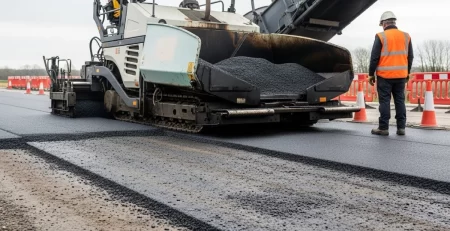
Modern methods such as tarmac installation provide a reliable and long-lasting finish suitable for a wide range of applications, from residential access roads to large commercial areas.
In addition to improving durability, resurfacing also allows for adjustments to drainage and surface levels, further extending the lifespan of the road.
Preventative Maintenance for Long-Term Savings
Taking a proactive approach to maintenance is the most effective way to avoid costly repairs. Regular inspections help identify early signs of damage, allowing for timely intervention before issues escalate.
Proper drainage is essential in preventing water-related damage. Ensuring that water flows away from the surface reduces the risk of infiltration and structural weakening.
Working with experienced professionals, such as commercial surfacing contractors, ensures that maintenance and repairs are carried out to a high standard. This not only extends the life of the surface but also reduces the likelihood of recurring problems.
The Value of Professional Assessment
Not all surface damage is immediately visible. What appears to be a minor crack may indicate deeper structural issues that require expert evaluation. Professional contractors have the knowledge and tools needed to assess the full condition of a road surface and recommend the most appropriate solution.
This ensures that any work carried out is both effective and cost-efficient. It also provides peace of mind that the surface will perform reliably over time.
Acting Early to Avoid Major Costs
Road cracks should never be ignored. They are early warning signs of a process that, if left unchecked, can lead to significant damage and expense. By recognising road resurfacing signs UK and taking prompt action, property owners can prevent minor issues from escalating into major problems.
Investing in timely repairs and maintenance not only reduces long-term costs but also ensures that roads remain safe, functional, and visually presentable. A proactive approach is always more cost-effective than reactive repairs, particularly when dealing with surfaces exposed to constant use and challenging weather conditions.