Why Proper Drainage Is Critical for Long-Lasting Road Surfacing in the UK
Road surfaces across the UK are exposed to frequent rainfall, seasonal temperature changes, and varying traffic loads. These conditions make water management one of the most important considerations in any surfacing project. Without effective drainage, even a well-installed road surface can deteriorate far sooner than expected.
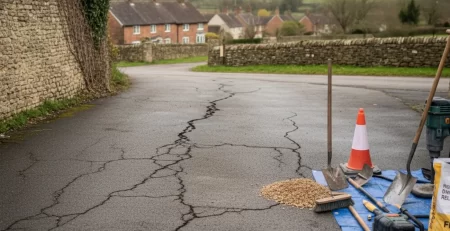
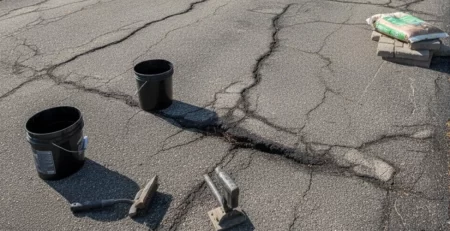
Water is one of the main causes of surface failure. When moisture accumulates on or beneath a road, it weakens the structural layers that support the surface. Over time this leads to cracking, rutting, and potholes. For commercial access roads, car parks, and private estates, these problems quickly become both a safety concern and a maintenance expense.
This is why road drainage for surfacing UK projects must be planned carefully before installation begins. A properly designed drainage system protects the sub-base, maintains surface strength, and ensures water moves away from the road quickly and efficiently.
Professional contractors delivering services such as tarmac installation always assess drainage as part of the preparation process, ensuring the surface performs reliably for many years.
How Water Causes Road Surface Damage
Water affects road structures in several ways, both on the surface and beneath it. Understanding these mechanisms helps explain why drainage planning is essential.
Surface Water Accumulation
When water sits on the surface of a road, it begins to penetrate small gaps within the material. Over time these gaps widen, allowing further moisture infiltration. Repeated traffic loading pushes water deeper into the surface layers, accelerating deterioration.
Standing water also creates safety risks. Vehicles travelling over wet areas may lose traction, while pedestrians can encounter slippery conditions. For business premises and commercial sites, this presents both operational issues and liability concerns.
Sub-Base Weakening
The sub-base forms the structural foundation of a road surface. It distributes weight from vehicles and prevents movement within the ground below.
If water infiltrates this layer, the material can soften and lose its load-bearing capacity. Once this occurs, the surface above begins to flex under traffic. Cracks develop, edges break away, and potholes eventually form.
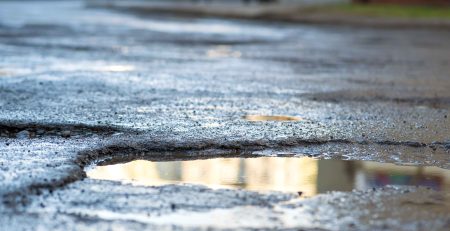
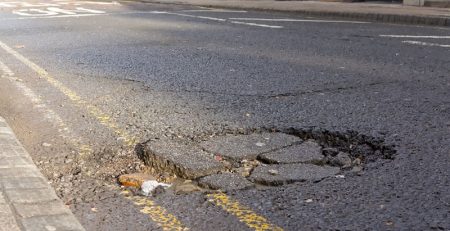
In many cases, potholes that require repair are the direct result of poor drainage rather than surface material failure. Contractors often address these issues through targeted maintenance such as pothole repairs, but preventing water infiltration from the start is always the better long-term solution.
Freeze–Thaw Expansion
During colder months, water trapped within road surfaces can freeze. When this happens, the ice expands and pushes against the surrounding material. As temperatures rise and the ice melts, small voids are left behind.
This repeated freezing and thawing cycle gradually breaks down the surface structure. Cracks widen, edges crumble, and sections of road may become uneven.
Effective drainage prevents water from becoming trapped in the first place, reducing the impact of seasonal temperature changes.
Drainage Planning in Road Surfacing Projects
Proper drainage begins during the early planning stages of a surfacing project. Contractors assess the site to understand how water naturally moves across the ground and where it must be directed.
Site Gradient and Surface Levels
Road surfaces are rarely installed completely flat. Instead, they are designed with subtle slopes that allow water to run towards drainage points.
These gradients are carefully calculated so that water flows naturally away from the driving surface. The slope may direct water towards gullies, drainage channels, or landscaped areas designed to absorb excess moisture.
Even small variations in surface levels can influence how water behaves. Experienced surfacing contractors use precise equipment to ensure the finished road maintains the correct gradient.
Drainage Channels and Gullies
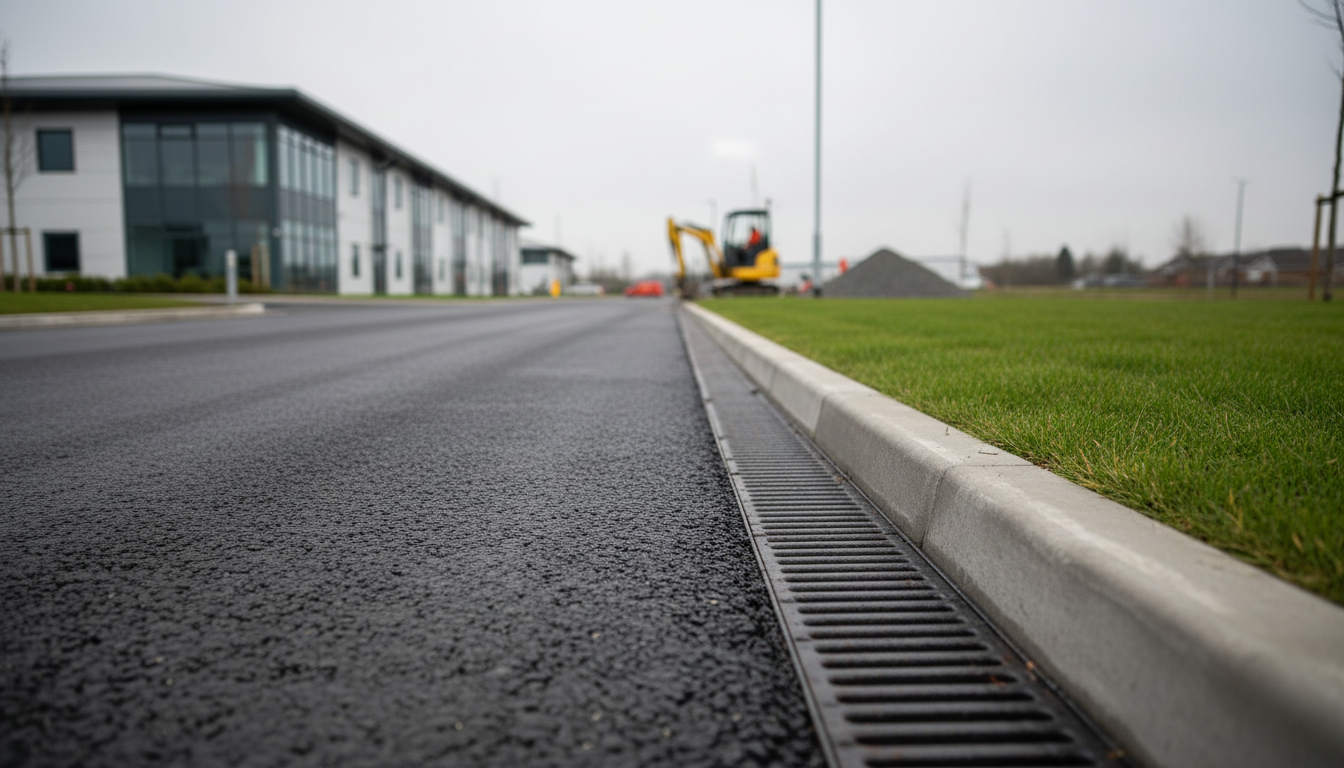
In many commercial environments, surface water is collected through drainage channels or gullies positioned along the edge of the road. These systems guide water into underground drainage networks, preventing pooling on the surface.
Channels are particularly important in areas where large volumes of water may accumulate, such as car parks, loading bays, and access routes for industrial sites.
Correct positioning of these systems ensures water is captured before it has the opportunity to infiltrate the road structure.
Sub-Surface Drainage
In some locations, underground drainage systems are required to manage water beneath the road surface. These systems may include perforated pipes or drainage layers that allow groundwater to move away from the road base.
Sub-surface drainage is especially important on sites with clay soils or areas where water naturally collects below ground level.
The Role of Surface Materials in Drainage
While drainage infrastructure plays a major role in water management, the surfacing material itself also contributes to how effectively water is handled.
Tarmac and Asphalt Performance
Tarmac and asphalt are commonly used across the UK for roads, access routes, and car parks. When installed correctly, these materials provide a dense, durable surface that prevents water from penetrating too quickly.
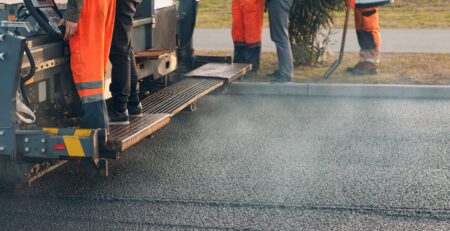
Machine-laid installations ensure the material is evenly distributed and compacted, reducing weak points where moisture might enter. Services such as machine lay tarmac are often used on larger projects to achieve a consistent finish that supports effective drainage.
The smoother and more uniform the surface, the easier it becomes for water to flow towards drainage points rather than collecting in depressions.
Surface Texture and Water Flow
Surface texture plays an important role in directing water movement. A well-finished road provides enough grip for vehicles while allowing rainwater to disperse quickly.
If the surface is uneven or poorly compacted, water can gather in shallow dips. Over time these areas become weak points where damage begins.
Professional surfacing contractors carefully manage compaction and finishing to ensure the road maintains the correct texture and gradient.
Why Drainage Matters for Commercial Properties
For commercial premises, road drainage is not simply a construction detail. It directly affects safety, maintenance costs, and operational efficiency.
Businesses rely on access roads, parking areas, and loading zones functioning reliably every day. Poor drainage can cause disruption through flooding, surface damage, and vehicle access problems.
Professional surfacing specialists such as commercial surfacing contractors take drainage planning seriously because it protects the long-term performance of the entire installation.
Well-designed drainage reduces the likelihood of costly repairs and helps maintain a safe environment for employees, visitors, and delivery vehicles.
Signs of Drainage Problems on Existing Road Surfaces
Even established road surfaces can develop drainage issues over time. Identifying these early helps property owners avoid more serious structural problems.
One common sign is persistent standing water after rainfall. If water remains on the surface for long periods, it indicates that gradients or drainage points may not be functioning correctly.
Another indication is repeated pothole formation in the same area. This often suggests water is entering the sub-base and weakening the underlying structure.
Cracks that widen quickly or sections of road that appear uneven can also signal moisture-related damage beneath the surface.
Reviewing real project examples through completed installations, such as those shown in case studies, often highlights how proper drainage design prevents these problems from occurring.
Integrating Drainage Into Long-Term Maintenance Planning
Even the best drainage systems require periodic inspection. Over time, debris can block gullies or channels, reducing their ability to manage water effectively.
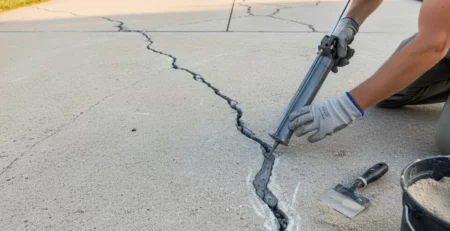
Regular maintenance ensures drainage infrastructure continues functioning as intended. Clearing debris, checking surface gradients, and repairing small cracks early can extend the lifespan of the road significantly.
Property owners who incorporate drainage checks into their maintenance schedules often experience far fewer structural issues over the life of their road surface.
Working With Experienced Surfacing Professionals
Road surfacing projects involve multiple technical elements working together. Drainage, surface materials, site preparation, and installation quality all influence the final result.
Working with experienced professionals ensures these factors are considered as part of a coordinated plan rather than treated as separate tasks.
Experienced contractors assess site conditions, evaluate traffic loads, and design drainage systems that complement the surfacing materials used. This integrated approach delivers a surface that performs reliably in real-world conditions.
For property owners planning improvements or upgrades to their access roads, consulting a specialist team early in the process can make a significant difference to long-term durability. Professional guidance and planning support are available through experienced surfacing providers, and enquiries can be made through the team’s contact page
Building Road Surfaces That Withstand the UK Climate
The UK climate places unique demands on road infrastructure. Frequent rainfall, seasonal temperature changes, and varied soil conditions mean that surfacing projects must be carefully engineered to perform over time.
Road drainage for surfacing UK installations is therefore not an optional extra. It is a core component of any successful road design.
By ensuring water is managed correctly from the outset, property owners and site managers can protect their investment, reduce maintenance costs, and maintain safe access routes for years to come.