Road Surfacing Done Right: Why Quality Makes All the Difference
Every road tells a story.
Some are smooth, safe, and built to last. Others crack, sink, and fail far sooner than expected. The difference isn’t luck — it’s how the road was surfaced.
Whether it’s a commercial access road, industrial estate, private development, or public highway, road surfacing plays a critical role in safety, performance, and long-term value. In this guide, we break down why quality road surfacing matters, how professional surfacing is done properly, and what separates a reliable surface from a costly mistake.
Why Road Surfacing Is More Important Than Most People Think
Roads aren’t just about appearance. A well-surfaced road affects:
- Vehicle safety and braking performance
- Drainage and water run-off
- Resistance to heavy traffic and weather
- Ongoing maintenance and repair costs
Poor surfacing often leads to potholes, standing water, surface failure, and constant patch repairs. Done properly, road surfacing delivers a smooth, durable finish designed to perform year after year.
The Real Cost of Poor Road Surfacing
Cutting corners at the surfacing stage almost always leads to higher costs later.
Common problems include:
- Premature cracking due to weak foundations
- Surface movement caused by poor compaction
- Water damage from incorrect drainage falls
- Rapid wear in high-traffic areas
These issues don’t appear overnight, but once they do, repairs are disruptive, expensive, and often avoidable with proper installation from the start.
Professional Road Surfacing: What “Done Right” Actually Means
High-quality road surfacing is a process — not just laying material and rolling it flat.
1. Site Assessment and Planning
Every successful surfacing project begins with understanding the ground conditions, traffic load, drainage requirements, and intended use of the road.
2. Ground Preparation
This is where long-term performance is decided. Excavation, base formation, and compaction must be precise to prevent movement and failure later.
3. Correct Base Installation
A strong, well-compacted base supports the surface above it. Without this, even the best surface materials will eventually fail.
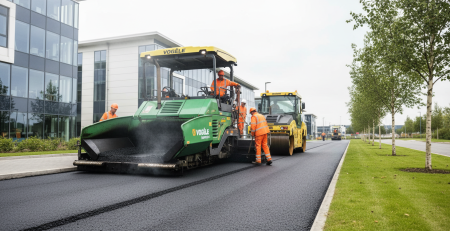
4. Accurate Surface Laying
The surfacing layer is applied evenly, with correct thickness, levels, and falls to ensure smooth travel and effective water run-off.
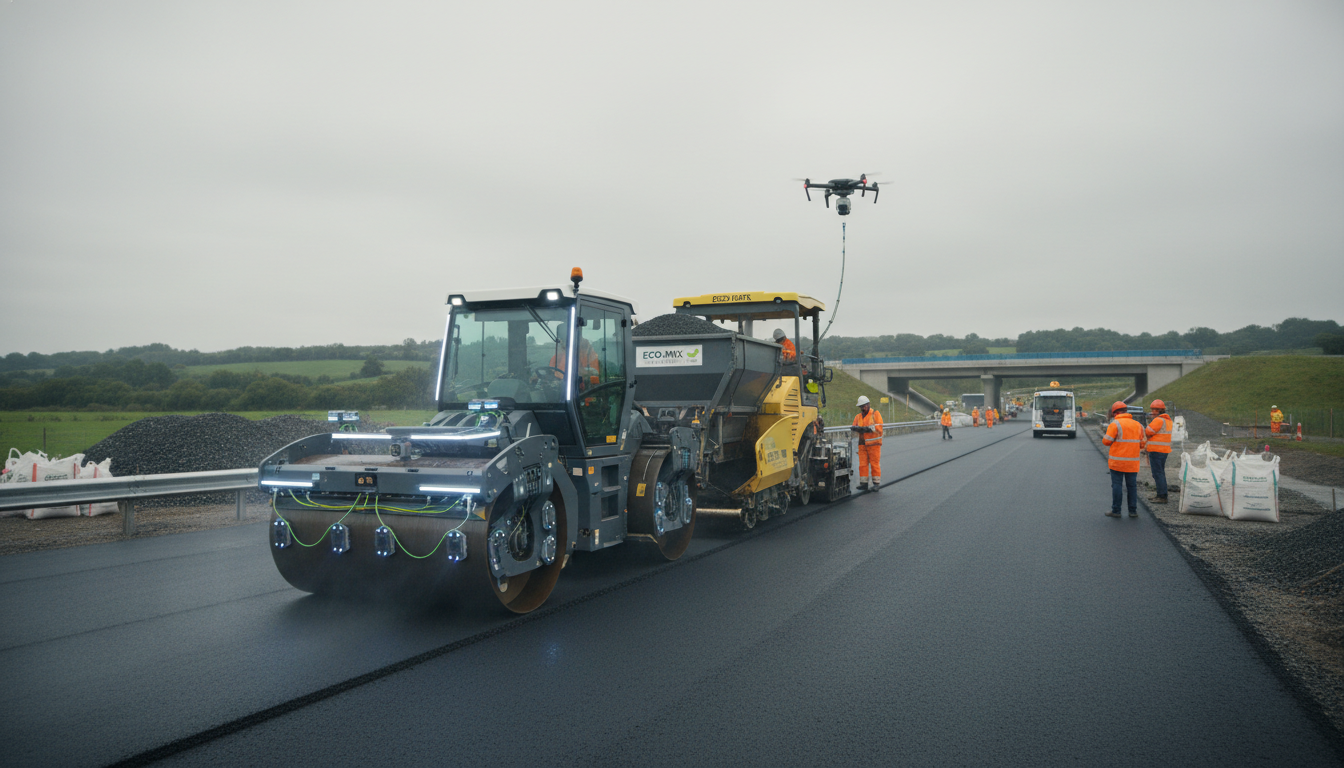
5. Final Compaction and Finish
Proper rolling and finishing create a durable, visually clean surface built to withstand daily use and changing weather conditions.
Where Road Surfacing Is Commonly Used
Professional road surfacing is essential across many environments, including:
- Commercial and industrial estates
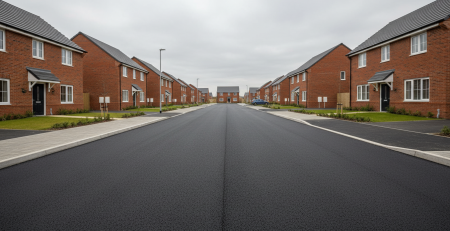
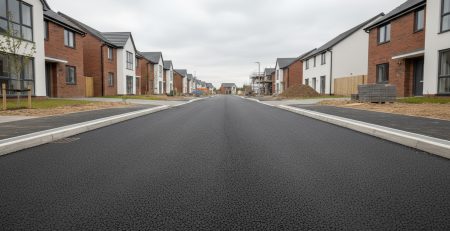
- New housing developments
- Access roads and private lanes
- Car parks and loading areas
- Agricultural and rural routes
Each application requires a tailored approach to ensure strength, longevity, and safety.
Proven Results Matter More Than Promises
Anyone can claim quality — results are what count.
Real-world projects show how correct preparation, skilled installation, and attention to detail lead to long-lasting surfaces that perform exactly as intended. If you want to see how professional road surfacing is delivered in practice, explore our completed projects and real outcomes in our case studies:
Long-Term Benefits of Quality Road Surfacing
When road surfacing is done properly, the benefits are clear:
- Fewer repairs and lower maintenance costs
- Improved safety for vehicles and pedestrians
- Better resistance to traffic and weather
- A clean, professional appearance that lasts
It’s an investment that pays off over time — not just on day one.
Final Thoughts
Road surfacing isn’t just about creating a surface you can drive on. It’s about building a foundation for safety, reliability, and long-term performance.
From preparation to finishing, every stage matters. Choosing experienced professionals ensures your road doesn’t just look good when it’s finished — it continues to perform for years to come.
To see real examples of high-quality road surfacing in action, visit our case studies.