Road Surfacing Maintenance Tips for Long-Term Performance
Road surfaces are a critical part of any property or commercial site, supporting daily traffic while contributing to safety, accessibility, and overall appearance. However, even the highest quality installations will deteriorate over time if they are not properly maintained. This is where effective road surfacing maintenance UK practices become essential.
Maintenance is not simply about fixing visible damage. It is a proactive approach that protects the structure of the surface, prevents small issues from escalating, and ensures long-term performance. For property owners and site managers, consistent upkeep can significantly reduce lifecycle costs while maintaining a professional and safe environment.
Neglecting maintenance often leads to premature surface failure, increased repair costs, and potential safety hazards. Understanding how to care for your road surface properly allows you to maximise the return on your initial investment.
Common Causes of Surface Deterioration
To maintain a road surface effectively, it is important to understand what causes deterioration in the first place. In the UK, a combination of environmental and operational factors contributes to wear and tear.
Weather plays a major role, with rainfall penetrating small cracks and weakening the sub-base over time. Freeze-thaw cycles can expand these cracks, accelerating damage. Heavy traffic, particularly from commercial vehicles, adds stress to the surface, leading to deformation and rutting.
Poor initial installation or inadequate groundwork can also result in early issues. This is why professional tarmac installation is essential, as it ensures the surface is built on a stable and properly prepared foundation.
Understanding these causes allows for targeted maintenance strategies that address the root of the problem rather than just the symptoms.
Regular Inspections and Early Intervention
One of the most effective road surfacing maintenance strategies is routine inspection. Regularly assessing the condition of the surface allows you to identify early signs of damage before they become serious issues.
Small cracks, minor potholes, and surface wear may seem insignificant, but they can quickly worsen if left untreated. Water ingress through cracks can undermine the structure, leading to more extensive repairs later.
By addressing these issues early, property owners can avoid costly resurfacing projects and maintain a safe environment for vehicles and pedestrians. Professional contractors often recommend scheduled inspections as part of a long-term maintenance plan.
Preventative Maintenance Techniques
Preventative maintenance focuses on preserving the integrity of the surface before visible damage occurs. This approach is far more cost-effective than reactive repairs and helps extend the lifespan of the road.
Surface sealing is a common preventative method that protects against water penetration and UV damage. It also helps maintain the flexibility of the surface, reducing the likelihood of cracking.
Proper drainage management is another critical factor. Standing water is one of the leading causes of deterioration, so ensuring that drainage systems are functioning correctly is essential. This includes keeping gullies clear and addressing any areas where water tends to accumulate.
In commercial environments, managing traffic flow and load distribution can also help reduce wear. Heavy vehicles should be directed along designated routes where possible to minimise stress on vulnerable areas.
Addressing Cracks and Potholes Promptly
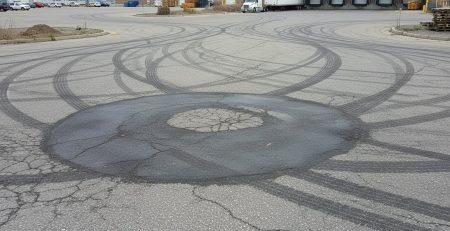
Cracks and potholes are among the most common issues affecting road surfaces, and they require immediate attention. Even minor cracks can allow water to seep into the underlying layers, leading to more significant structural problems.
Professional pothole repairs are essential for restoring the surface and preventing further damage. These repairs typically involve removing the damaged material, preparing the area, and applying new surfacing material to create a seamless finish.
Timely intervention not only improves safety but also prevents the spread of damage across the surface. Ignoring these issues can result in larger areas requiring resurfacing, which is far more disruptive and costly.
The Role of Cleaning in Surface Longevity
Regular cleaning is often overlooked but plays an important role in maintaining road surfaces. Debris, dirt, and organic matter can trap moisture and contribute to surface degradation over time.
Keeping the surface clean helps prevent the build-up of materials that can weaken the structure. It also improves appearance, which is particularly important for commercial premises where first impressions matter.
In addition, removing oil spills and other contaminants is crucial, as these substances can break down the binding agents in the surface material. Routine cleaning should be part of any comprehensive maintenance strategy.
Seasonal Maintenance Considerations
Road surfacing maintenance UK must take seasonal variations into account. Each season presents unique challenges that require specific approaches.
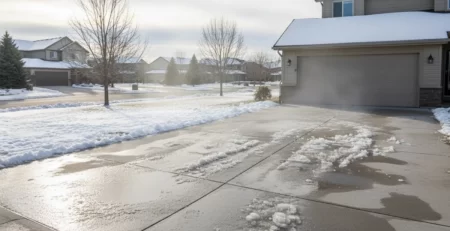
During winter, freezing temperatures and frost can exacerbate existing damage. Preparing the surface before colder months by sealing cracks and ensuring proper drainage can help mitigate these effects.
In spring and summer, higher temperatures and increased usage may lead to surface softening and wear. This is an ideal time to carry out repairs and preventative treatments, as weather conditions are generally more favourable.
Autumn maintenance should focus on clearing leaves and debris to prevent blocked drainage systems. Adapting maintenance activities to seasonal conditions ensures that the surface remains in optimal condition throughout the year.
Long-Term Maintenance Planning
A structured maintenance plan is essential for achieving long-term performance. Rather than reacting to problems as they arise, a planned approach allows for consistent upkeep and better budget management.
This includes scheduling inspections, allocating resources for routine maintenance, and planning for periodic resurfacing when necessary. Working with experienced commercial surfacing contractors can help property owners develop a tailored maintenance strategy that meets their specific needs.
Long-term planning also ensures compliance with safety standards and reduces the risk of unexpected disruptions. For businesses, this can be particularly important in maintaining operational efficiency.
When to Consider Resurfacing
Despite the best maintenance efforts, there will come a time when resurfacing is the most practical solution. Recognising when maintenance is no longer sufficient is key to avoiding ongoing issues.
Signs that resurfacing may be required include widespread cracking, persistent potholes, and significant surface deformation. At this stage, repairs may only provide temporary relief, and a more comprehensive solution is needed.
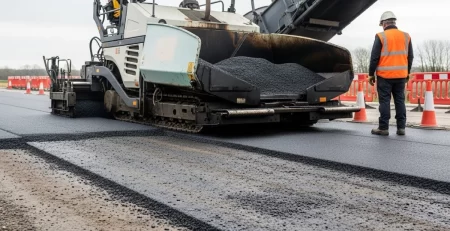
Resurfacing involves removing the existing surface layer and applying a new one, restoring the road to optimal condition. While it represents a larger investment, it can significantly extend the lifespan of the surface and improve overall performance.
Choosing the Right Maintenance Partner
The success of any maintenance strategy depends on the expertise of the professionals carrying out the work. Choosing a reliable contractor ensures that maintenance tasks are performed to a high standard and in accordance with best practices.
Experienced contractors understand the specific challenges associated with UK road surfaces and can provide tailored solutions. They also have access to the right equipment and materials, ensuring efficient and durable results.
Working with a trusted provider allows property owners to focus on their operations while having confidence that their road surfaces are being properly maintained.
Conclusion
Effective road surfacing maintenance UK is essential for preserving the quality, safety, and longevity of road surfaces. By adopting a proactive approach that includes regular inspections, preventative measures, and timely repairs, property owners can significantly extend the lifespan of their surfaces.
Maintenance is not just about addressing visible issues but about protecting the underlying structure and ensuring consistent performance over time. With the right strategies and professional support, road surfaces can remain durable, safe, and visually appealing for many years.