How Traffic Channelisation Influences Surface Wear
Traffic channelisation refers to the way vehicles are guided, either intentionally through design or naturally through repeated use, along specific paths on a road or paved surface. In the context of UK infrastructure, this is a critical but often underestimated factor in determining how quickly a surface begins to wear.
Whether on commercial estates, industrial yards, or private access roads, vehicles rarely use the full width of a surface evenly. Instead, they follow predictable routes such as entry and exit points, turning circles, or loading areas. Over time, this repeated movement creates concentrated stress zones that significantly influence how and where deterioration occurs.
For property owners and site managers involved in road surfacing planning, understanding traffic channelisation surface wear is essential for achieving long-term performance.
Why Surface Wear Is Not Evenly Distributed
Repetition of Vehicle Paths
In most real-world environments, vehicles tend to follow the same lines repeatedly. This is particularly evident in areas such as car parks, delivery zones, and access roads where movement patterns are consistent.
As vehicles pass over the same sections, the surface beneath experiences repeated loading. This leads to gradual compaction, weakening, and eventual deformation. Even a well-installed surface will begin to show signs of wear more quickly in these concentrated paths than in surrounding areas.
Influence of Vehicle Type and Weight
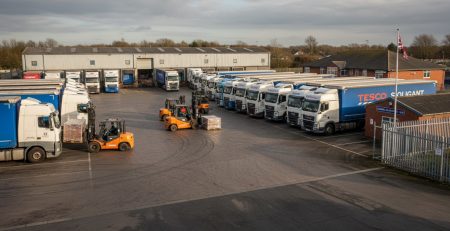
The type of traffic using a surface has a direct impact on how channelisation affects wear. Heavy goods vehicles, for example, exert significantly more pressure than passenger cars. When these heavier vehicles follow fixed routes, the resulting stress on the surface is amplified.
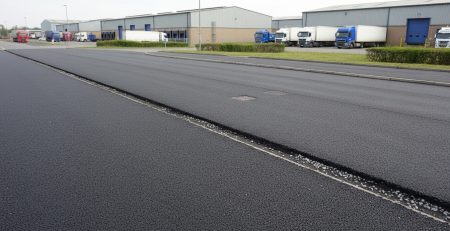
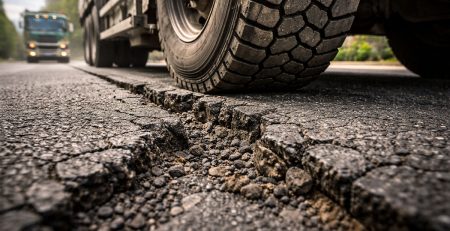
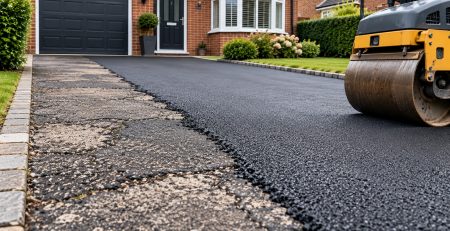
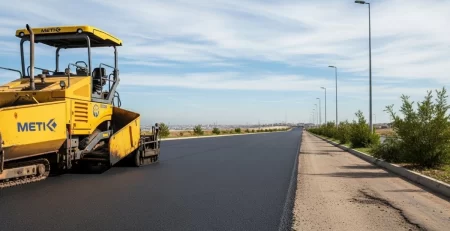
In industrial and commercial settings, this often leads to visible rutting in wheel tracks and structural fatigue beneath the surface layers. Addressing this requires careful planning and appropriate construction methods, such as those used in machine lay tarmac, which ensures a consistent and durable finish capable of handling repeated loads.
Environmental and Operational Factors
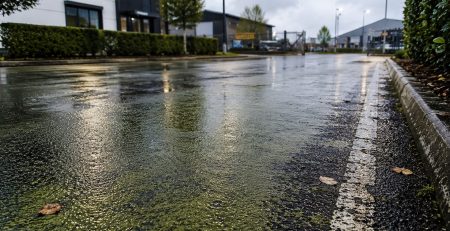
External factors such as weather conditions and drainage also interact with traffic channelisation. In the UK climate, water penetration combined with repeated vehicle loading can accelerate the breakdown of surface materials.
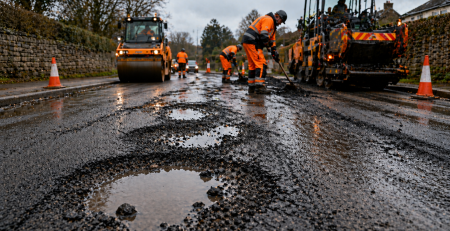
Where traffic is channelled into specific areas, water tends to accumulate in depressions caused by early wear. This further weakens the structure, leading to cracks and eventual pothole formation.
The Impact of Turning Movements on Surface Integrity
Shear Forces in Turning Areas
One of the most damaging aspects of traffic channelisation occurs during turning movements. Unlike straight-line travel, turning introduces lateral forces that place additional stress on the surface.
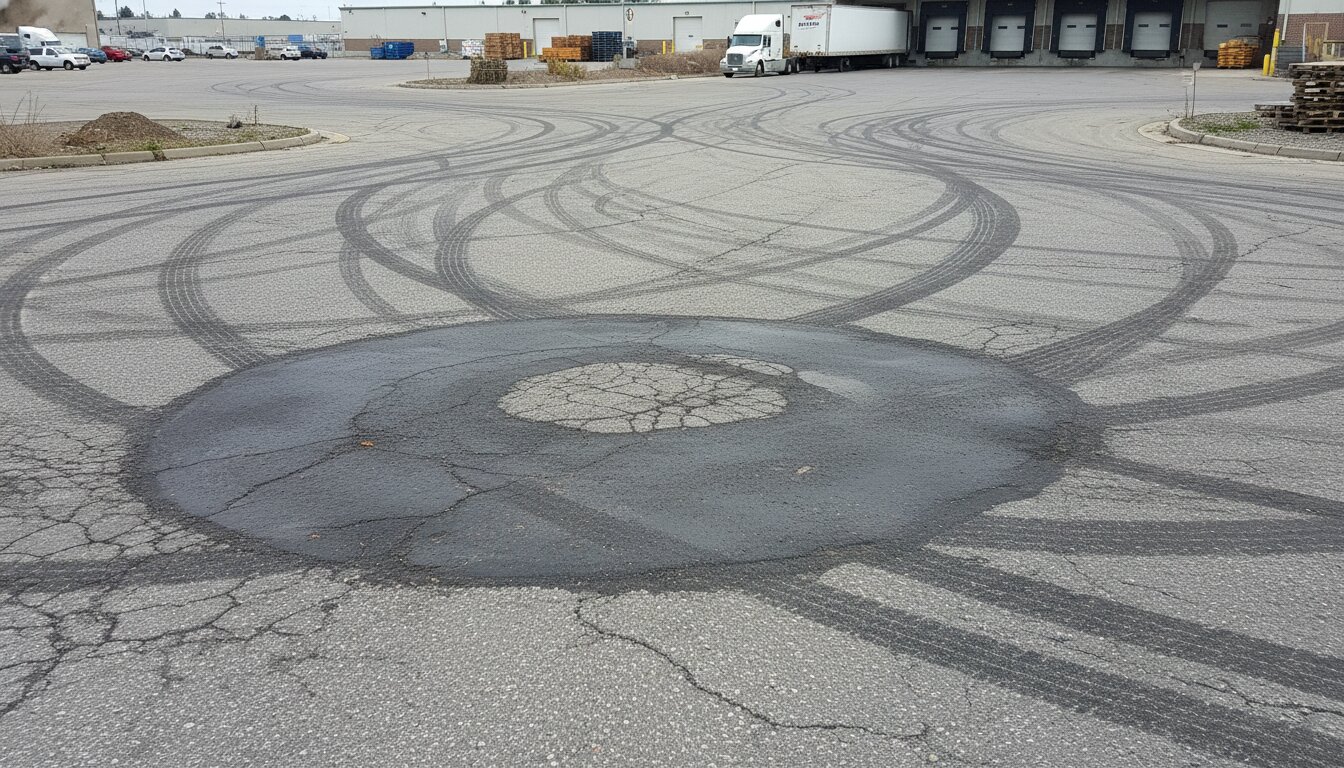
When vehicles, particularly larger ones, turn at low speeds, their tyres create a twisting motion. This shear force can displace aggregates, weaken the binder, and lead to surface scuffing or cracking.
Areas such as junctions, roundabouts within private developments, and loading bays are especially vulnerable. Without proper design and reinforcement, these sections often deteriorate faster than expected.
Braking and Acceleration Zones
Channelisation also concentrates wear in areas where vehicles frequently brake or accelerate. Entrances, exits, and pedestrian crossings are typical examples.
In these zones, the combination of vertical load and horizontal friction increases the rate of surface degradation. Over time, this can result in polished surfaces, reduced skid resistance, and structural damage beneath the surface layer.
Designing Surfaces to Withstand Channelised Traffic
Importance of Proper Construction Techniques
To manage traffic channelisation surface wear effectively, the construction process must be tailored to the expected use of the surface. This includes selecting the right materials, ensuring proper compaction, and building a strong sub-base.
Professional tarmac installation plays a vital role in this process. A well-constructed surface distributes loads more evenly and resists the stresses caused by repeated vehicle movement.
Layer Thickness and Structural Strength
In areas where traffic is likely to be channelled, increasing the thickness of surface layers can significantly improve durability. A thicker structure provides better load distribution and reduces the risk of deformation.
This is particularly important for commercial and industrial sites where heavy vehicles operate regularly. Without sufficient structural support, even high-quality materials can fail prematurely under concentrated stress.
Reinforcement of High-Stress Areas
Targeted reinforcement is another effective strategy. By strengthening areas known to experience higher stress, such as turning zones and entry points, it is possible to reduce the impact of channelisation.
This may involve using more robust materials or adding additional layers to improve load-bearing capacity. Incorporating these measures during the planning stage helps prevent costly repairs later.
Layout Design and Traffic Management Strategies
Encouraging Even Traffic Distribution
One of the most practical ways to reduce surface wear is to design layouts that encourage vehicles to use the entire width of the surface. This can be achieved through wider access points, smoother transitions, and thoughtful alignment of routes.
By avoiding overly restrictive designs, traffic is less likely to become concentrated in specific areas, which helps distribute wear more evenly.
Balancing Guidance and Flexibility
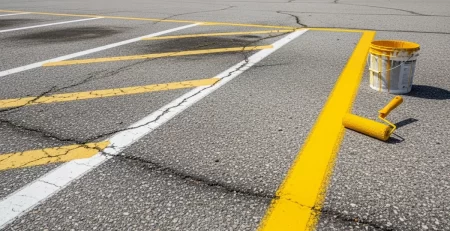
While road markings and physical features are essential for safety, they can also contribute to channelisation if used excessively. Clearly defined lanes may encourage drivers to follow identical paths repeatedly.
A balanced approach allows for safe navigation without forcing traffic into narrow corridors. This is particularly important in shared spaces such as car parks and private estates.
Managing Vehicle Speeds
Speed management also plays a role in how traffic affects surface wear. Sudden braking and sharp acceleration increase stress on the surface, especially in channelled areas.
Designing layouts that promote smooth, consistent movement helps minimise these effects and supports longer surface life.
Maintenance Implications of Traffic Channelisation
Identifying Early Signs of Wear
Regular inspections are essential for detecting early signs of traffic channelisation surface wear. Common indicators include rutting in wheel paths, cracking in turning areas, and surface polishing in braking zones.
Identifying these issues early allows for timely intervention, preventing more extensive damage.
Targeted Repair Approaches
When wear is localised, targeted repairs can be highly effective. Addressing specific problem areas reduces costs and extends the life of the overall surface.
Services such as pothole repairs are particularly useful for managing damage caused by concentrated traffic patterns.
Long-Term Maintenance Planning
Incorporating traffic channelisation into a long-term maintenance strategy ensures that surfaces remain safe and functional. This includes scheduling regular inspections, planning resurfacing works, and adapting layouts where necessary.
A proactive approach helps property owners avoid unexpected failures and maintain a professional standard across their site.
The Role of Professional Planning in Surface Longevity
Traffic channelisation is not something that can be addressed after installation. It must be considered from the earliest stages of road surfacing planning.
Working with experienced professionals, such as commercial surfacing contractors, ensures that traffic patterns, vehicle types, and site-specific requirements are fully understood and incorporated into the design.
This level of expertise allows for the creation of surfaces that are not only durable but also suited to the operational demands of the environment.
Conclusion
Traffic channelisation surface wear is a key factor in determining the lifespan and performance of any road or paved area. By understanding how vehicles interact with surfaces and where stress is most likely to occur, it is possible to make informed decisions that reduce long-term damage.
From material selection and construction methods to layout design and maintenance planning, every stage of a project plays a role in managing wear. For UK property owners and site managers, taking traffic channelisation into account is essential for achieving reliable, cost-effective, and long-lasting surfacing results.