The Complete Guide to Road Surfacing: From Planning to Long-Lasting Results
Road surfacing plays a critical role in ensuring safe, efficient travel on our highways, residential streets, and industrial sites. Whether you’re maintaining a small private road or upgrading a major thoroughfare, choosing the right surfacing solution is key to durability, performance, and long-term savings.
In this blog, we’ll break down what road surfacing involves, the different types of surfaces available, common challenges, and how professionals deliver quality results that stand the test of time.
What Is Road Surfacing?
Road surfacing refers to the final layer applied to a roadway to create a smooth, stable, and weather-resistant surface. It’s not just about aesthetics — a well-surfaced road improves safety, extends pavement life, and reduces maintenance costs.
Common surfacing materials include:
- Asphalt – flexible, durable, and widely used on highways and urban roads.
- Concrete – rigid and long-lasting, ideal for heavy-load areas.
- Surface treatments – such as chip seal or micro-surfacing for preventative maintenance.
Why Road Surfacing Matters
- Improved Safety: Proper surfacing eliminates potholes, cracks, and uneven areas that can cause accidents.
- Enhanced Durability: A strong surface withstands heavy loads and weather conditions, reducing the need for frequent repairs.
- Cost Efficiency: Investing in quality surfacing upfront saves money on future maintenance.
- Smooth Ride Quality: Drivers and pedestrians benefit from responsive and comfortable surfaces.
- Property Value: Well-maintained infrastructure boosts community appeal.
The Road Surfacing Process
Road surfacing isn’t a single step — it’s a carefully managed process that ensures long-lasting quality.
1. Inspection and Assessment
Before any work begins, experts evaluate the condition of the existing road. This determines whether resurfacing, repair, or complete reconstruction is needed.
2. Preparation of the Existing Surface
Preparation is key. This may include:
- Removing debris
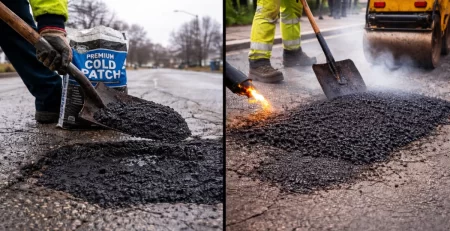
- Patching damaged areas
- Levelling surfaces
- Improving drainage
3. Choosing the Right Material
The surfacing material is chosen based on:
- Traffic volume
- Climate conditions
- Budget considerations
Experienced teams recommend the solution that balances performance and cost.
4. Application and Compaction
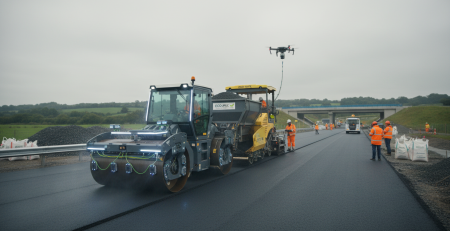
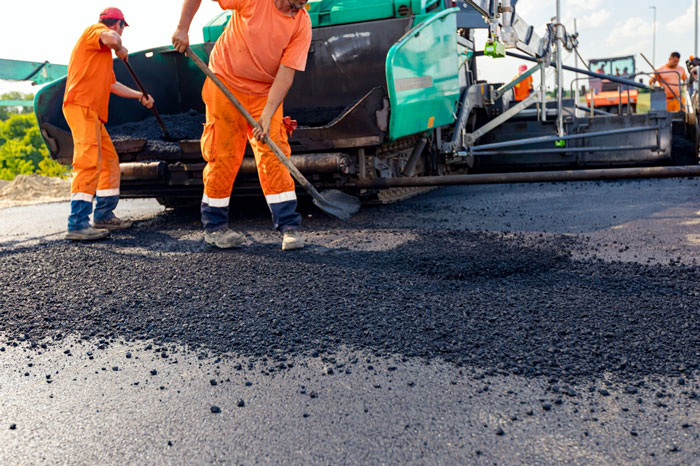
The selected material is applied and compacted using specialized machinery. Proper compaction ensures strong adhesion, elasticity, and resistance to wear.
5. Final Inspection and Quality Assurance
After laying the surface, a final inspection ensures:
- Correct depth and texture
- Smoothness
- Compliance with safety standards
Common Challenges in Road Surfacing
Even with quality planning, some challenges can arise:
Weather Conditions
Rain or extreme temperatures can delay surfacing work or affect material performance.
Heavy Traffic
High traffic volumes require well-timed surfacing schedules to minimize disruption.
Subsurface Problems
Issues below the surface — like base instability — can shorten pavement life if not addressed properly.
How Professionals Ensure Long-Lasting Roads
Experienced contractors understand that a successful road surfacing project requires:
- Accurate assessment
- Top-grade materials
- Advanced equipment
- Skilled technicians
They develop bespoke solutions tailored to each site’s unique conditions.
For inspiring examples of high-quality surfacing work in action, explore our project showcases: Case Studies.
Why Choose Expert Road Surfacing Services?
Hiring professionals saves time and money. Expert teams offer:
- Full project planning and management
- Efficient execution with minimal disruption
- Warranty and post-project support
If you’re ready to discuss your surfacing needs or get a tailored quote, reach out through our Contact Us page — we’re here to help!
Conclusion
Road surfacing is more than just laying material on the ground — it’s a strategic investment in infrastructure, safety, and durability. Whether you’re resurfacing a residential street or an industrial roadway, understanding the process and choosing the right professionals makes all the difference.
Ready to get started? 👉 See past successes in our Case Studies