What That Small Crack Could Cost You in 3 Years
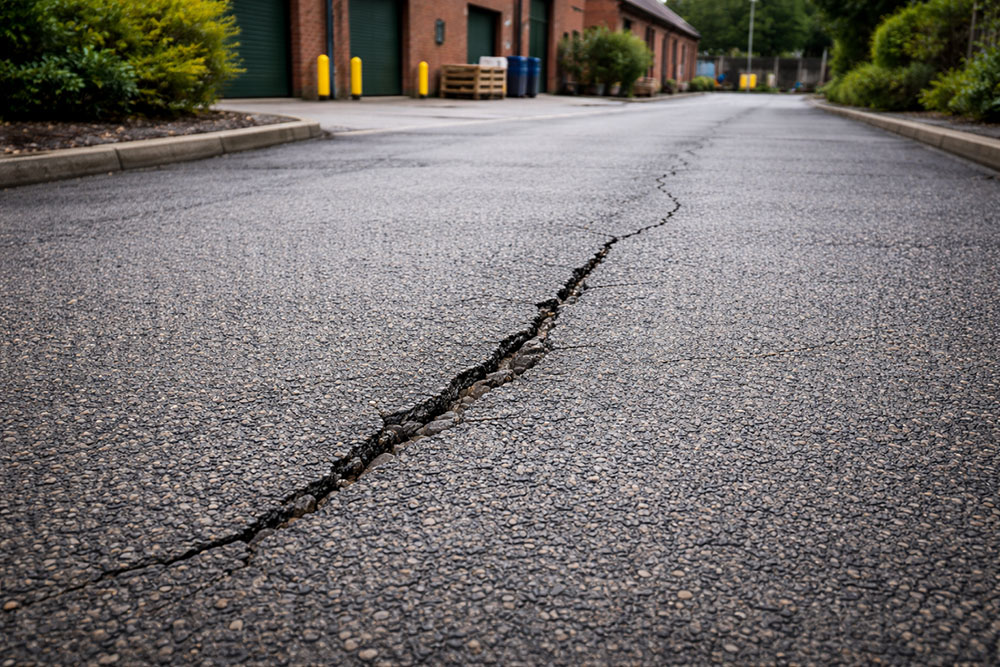
A small crack in a road surface, car park, or access route can appear insignificant at first glance. It is often dismissed as a cosmetic issue or something that can be addressed at a later date. However, in the context of UK weather conditions and regular traffic use, even the smallest surface defect can develop into a far more serious and costly problem over time.
For property owners and site managers, understanding how minor damage evolves is essential. What begins as a hairline fracture can quickly compromise the structural integrity of the surface, leading to escalating repair costs, safety concerns, and potential disruption to operations.
How Cracks Develop in Road Surfaces
Cracks typically form due to a combination of environmental stress and load pressure. In the UK, fluctuating temperatures, rainfall, and freeze-thaw cycles play a major role in weakening surface materials. When water enters even the smallest opening, it begins to erode the underlying layers.
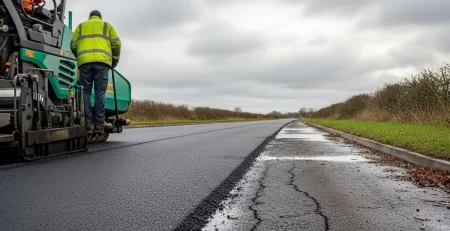
As vehicles pass over the area, pressure forces the crack to widen. Over time, this repeated stress accelerates deterioration. Without intervention, the damage spreads beyond the surface layer and begins to affect the sub-base, which is critical to the strength and longevity of the road.
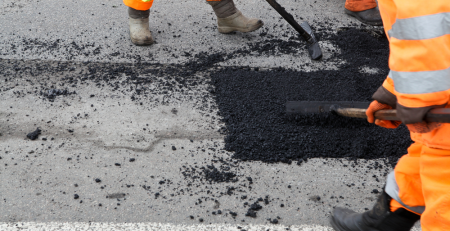
This is why early intervention through professional pothole repairs is often far more effective and economical than waiting for visible damage to worsen.
Year One: Early Signs of Deterioration
During the first year, a small crack may not seem to change significantly. However, beneath the surface, the process of deterioration is already underway. Water infiltration begins to weaken the bond between aggregates and binder materials, particularly in tarmac surfaces.
At this stage, the surface may start to show subtle signs such as slight widening of the crack, minor surface loosening, or early signs of edge breakdown. These changes are often overlooked because they do not immediately impact usability.
Despite this, the foundation is already being compromised. Addressing the issue at this point is typically straightforward and cost-effective, often requiring minimal repair work rather than extensive resurfacing.
Year Two: Structural Weakening
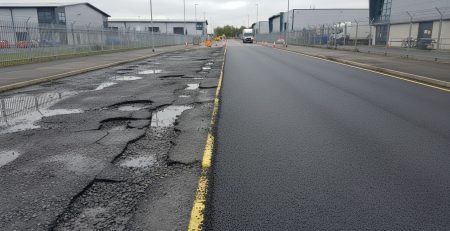
By the second year, the damage becomes more pronounced. The crack will likely widen, and sections of the surface may begin to break away entirely. Water penetration reaches deeper layers, weakening the sub-base and reducing load-bearing capacity.
At this stage, the risk of pothole formation increases significantly. The surface may begin to feel uneven underfoot or when driven over, which can pose a safety risk for both pedestrians and vehicles.
For commercial premises, this can lead to operational concerns. Delivery vehicles, customer access, and general site usability may all be affected. Repair costs also begin to rise, as the work required becomes more complex.
This is often the point where property owners realise that early maintenance would have prevented the need for more extensive intervention.
Year Three: Escalation to Major Repairs
After three years, what started as a small crack can evolve into widespread surface failure. Potholes, large fractures, and surface deformation become common, particularly in high-traffic areas.
At this stage, simple repairs are no longer sufficient. The damage typically requires partial or full resurfacing, including potential reconstruction of the sub-base. This significantly increases both cost and disruption.
For businesses, this can mean temporary closures, restricted access, and a negative impact on customer experience. For residential developments, it can lead to complaints, safety concerns, and long-term maintenance issues.
Investing in professional tarmac installation or resurfacing at this stage becomes unavoidable, whereas earlier intervention could have prevented the escalation entirely.
The Financial Impact Over Time
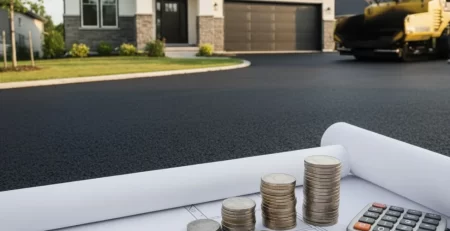
The cost difference between early repair and delayed action is substantial. Addressing a small crack early typically involves minimal labour, limited materials, and short project timelines. In contrast, large-scale repairs require more resources, longer downtime, and higher overall investment.
In addition to direct repair costs, there are indirect financial implications. These can include liability risks from accidents, vehicle damage claims, and the cost of managing disruptions to site operations.
Over a three-year period, neglecting minor damage can multiply costs several times over. This is why proactive maintenance is a key consideration for any property owner or site manager.
Safety Considerations You Cannot Ignore
Surface damage is not just a financial issue; it is also a safety concern. Cracks and potholes can create trip hazards for pedestrians and increase the risk of vehicle damage or accidents.
In commercial environments, this can have serious implications. Businesses have a duty of care to ensure their premises are safe for employees, customers, and visitors. Failing to address surface defects can lead to liability claims and reputational damage.
Maintaining a high-quality surface is essential for compliance, safety, and overall site management.
Why Preventative Maintenance Matters
Preventative maintenance is the most effective way to avoid costly repairs and ensure long-term performance. Regular inspections allow small issues to be identified and resolved before they escalate.
Professional contractors can assess the condition of a surface and recommend appropriate solutions, whether that involves minor repairs, sealing, or targeted resurfacing. This approach not only extends the lifespan of the surface but also maintains its appearance and functionality.
Working with experienced commercial surfacing contractors ensures that repairs are carried out to a high standard, reducing the likelihood of recurring issues.
Environmental Factors in the UK
The UK climate plays a significant role in surface deterioration. Frequent rainfall, temperature fluctuations, and seasonal changes all contribute to the expansion and contraction of materials.
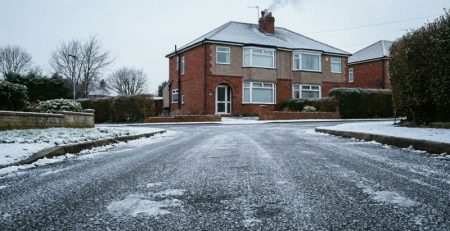
Water is particularly damaging, as it penetrates cracks and weakens underlying layers. During colder months, freezing conditions can cause water to expand, further widening cracks and accelerating damage.
Understanding these environmental factors highlights the importance of timely repairs. Delaying action allows weather conditions to exacerbate existing issues, making them more difficult and expensive to resolve.
Long-Term Value of Early Action
Addressing small cracks early is not just about avoiding problems; it is about protecting the long-term value of your property. Well-maintained surfaces contribute to a professional appearance, improved usability, and increased durability.
For commercial sites, this can enhance customer perception and operational efficiency. For residential developments, it ensures a safe and attractive environment for residents.
Investing in maintenance at the right time ultimately delivers better value, reducing the need for major repairs and extending the lifespan of the surface.
Conclusion
A small crack may seem insignificant today, but over three years, it can develop into a major issue with serious financial and safety implications. The progression from minor surface damage to full structural failure is gradual but inevitable without intervention.
By taking early action and investing in professional repairs, property owners and site managers can avoid unnecessary costs, maintain safety standards, and ensure long-lasting performance.
Ignoring the problem does not make it disappear. In road surfacing, small issues rarely stay small for long.